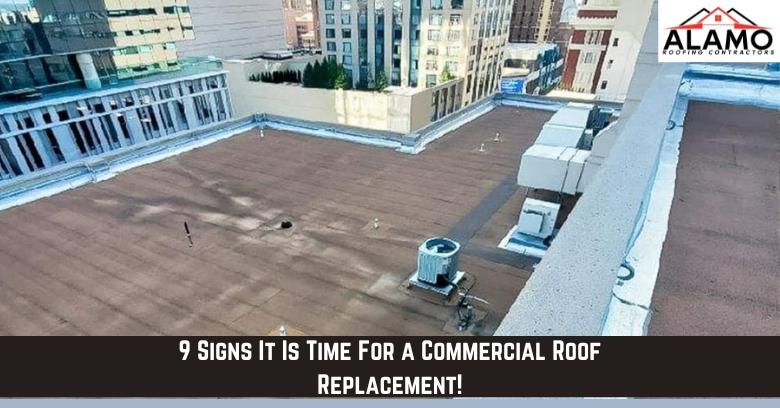
For commercial building owners in South Bend Indiana and Naperville Illinois, the roof is often one of the most underappreciated aspects of your property, at least until it starts causing problems! A roof acts as the first line of defense against snowstorms, rain, hail, wind, and UV rays. It keeps your employees safe, your equipment dry, and your operations running smoothly. But just like any other part of your building, your roof has a limited lifespan.
Failing to recognize when it is time for a roof replacement can be an expensive oversight. Small signs of damage often lead to much larger problems if left unaddressed. While ongoing repairs may seem like the economical choice at first, the costs can quickly pile up - not just financially but in the form of downtime, structural damage, and health risks for occupants.
Knowing when to reach out for commercial roofing services can save you thousands of dollars and help protect your investment. A professional inspection may reveal that your roof is no longer a good candidate for repairs and that a full commercial roof replacement is the most responsible step forward. This guide will walk you through 9 warning signs that indicate your roof might be past its prime. If you recognize any of these issues, it is time to call in the experts in commercial roofing and take action before it is too late.
1. Persistent Roof Leaks
Water damage is among the most common and costly issues commercial building owners face. Leaks may start small, showing up as faint stains on the ceiling or bubbling paint. Over time, they can lead to major internal deterioration, including ruined drywall, warped flooring, and dangerous electrical hazards.
In both South Bend and Naperville, seasonal weather changes cause roofing materials to expand and contract. These shifts can create gaps in membranes and flashing, which eventually allow water to seep in. If you have had multiple leaks in the past year, especially in the same area, you are dealing with a deeper issue.
The best course of action is to bring in commercial roofing services for a full diagnostic inspection. They will assess whether the leaks stem from isolated flaws or are symptoms of system-wide failure.
2. Blistering or Bubbling on the Roof Surface
Blistering or bubbling is a red flag that often goes unnoticed until it is too late. These raised areas are caused by trapped moisture or air pockets under the membrane, typically from poor installation, inadequate ventilation, or aging materials.
This type of damage is particularly dangerous for flat or low-slope roofing systems, which are common in warehouses and office buildings. It weakens the membrane and invites further degradation from UV exposure and temperature swings. Over time, bubbles can burst, leading to tears, holes, and eventual leaks.
South Bend's harsh winters and Naperville's humid summers make these issues worse. Snow loads followed by rapid thaws can stress already compromised roofing materials.
If your roof shows widespread blistering, a quick repair may not be enough. A full commercial roof replacement could be the smarter, longer-lasting investment.
3. Visible Sagging or Structural Deformities
A sagging roof is not just unattractive - it is potentially dangerous. Sagging often indicates structural issues beneath the surface, such as compromised support beams, soaked insulation, or deteriorated decking.
Snow accumulation in South Bend can cause major roof deflection if water is not draining properly. Similarly, frequent rainstorms in Naperville can saturate roof materials and make them heavier, especially when combined with debris that blocks drainage systems.
If you notice ponding water, unusual dips in the roofline, or ceiling bulges indoors, it is time for immediate attention. The longer sagging goes unaddressed, the greater the chance of a total roof failure or even collapse. Do not gamble with occupant safety. Consult a commercial roofing contractor to determine the structural integrity of your roof and whether reinforcement or replacement is needed.
4. Mold, Mildew, or Foul Odors Indoors
Indoor air quality is a direct reflection of your building's health. When a roof starts to fail, moisture seeps into insulation and wall cavities, perfect breeding grounds for mold and mildew. This not only creates foul odors and aesthetic issues but can also trigger health problems, especially for those with allergies or respiratory conditions. Businesses with tenants, employees, or customers inside the building could face lawsuits or insurance claims due to unsafe air conditions.
If you have dealt with recurring mold problems, peeling wall paint, or musty smells, the issue may be stemming from the roof. Before investing in interior restoration, have your roofing system evaluated by professionals offering commercial roofing services. It is often more cost-effective to eliminate the source of moisture with a new roof than to repeatedly fix interior symptoms.
5. Rising Energy Bills and Poor Insulation
Your roof plays a major role in your building's energy efficiency. When insulation becomes wet, compressed, or degraded, it loses its R-value, meaning your HVAC system has to work overtime to maintain indoor temperatures. This is a silent but significant issue. You might not see water damage or physical deterioration, but your energy bills are climbing month after month. That is a red flag.
Modern roofing systems use energy-efficient materials that reflect UV rays and, depending on the season, retain heat or cool better. Investing in a commercial roof replacement can slash utility costs and increase comfort throughout your building. If your building in South Bend struggles to retain heat in the winter or your Naperville property overheats in the summer, your roof could be to blame.
6. Roofing Membrane Damage or Balding
The condition of your roof's membrane is a strong indicator of its overall health. Over time, harsh weather, debris, and UV exposure can cause membranes to shrink, crack, or lose their protective top layer - a condition often called "balding." This leads to weakened areas vulnerable to leaks, wind uplift, and thermal damage. You may even notice granules collecting in your gutters or around roof drains, which is a sign of accelerated wear.
Whether you have TPO, PVC, modified bitumen, or another type of commercial roofing membrane, visible damage often means it's past its functional life. Repairs may offer temporary relief but will not restore long-term protection. An experienced commercial roofing company can evaluate the severity of membrane degradation and help you decide whether it is worth repairing or replacing the roof entirely.
7. Age of the Roof
Even if your roof looks fine at a glance, its age alone can be cause for concern. Most commercial roofs last between 15 and 30 years, depending on the material, installation quality, and maintenance frequency. In South Bend and Naperville, the roof's life span may be shorter due to the region's unpredictable weather. Snow loads, hail, temperature extremes, and high winds all take a toll on roofing systems over time.
If your roof is approaching or has surpassed its expected lifespan, schedule an inspection with a company that specializes in commercial roofing services. They can identify hidden weaknesses and help you plan for replacement before a sudden failure catches you off guard. Many building owners prefer to replace older roofs during slower business seasons to avoid disruptions and lock in better pricing.
8. Frequent Repairs and Maintenance Calls
If you find yourself calling your roofer every few months, it is time to reassess your roofing strategy. Constant patching is not only expensive, it is a clear sign that your roof has passed the point of no return. Every commercial roof will need maintenance now and then. But if repair costs are approaching or exceeding the price of a new roof, you are throwing good money after bad.
A commercial roof replacement may seem like a large upfront investment, but it pays off in the long run. You will gain a fresh warranty, improved efficiency, and peace of mind knowing you are protected against the elements. Commercial property managers in South Bend and Naperville often find that once they invest in a new roof, they drastically reduce their maintenance budget and their stress levels.
9. Drainage Issues and Standing Water
Flat and low-slope roofs must drain water efficiently to prevent ponding. When water sits on the surface for more than 48 hours, it can lead to membrane deterioration, mold growth, and structural load issues. Standing water is often caused by clogged internal drains, sagging areas, or poorly designed slopes. This problem is especially prevalent after storms or snowmelt in South Bend and during heavy spring rains in Naperville.
If you frequently see water lingering on the roof after precipitation, it is not just a cosmetic issue. Prolonged ponding accelerates the breakdown of roofing materials and invites leaks. Have a commercial roofing expert check your drainage layout, slope design, and surface condition. If issues are widespread, re-roofing with improved drainage may be the only sustainable solution.
Choosing the Right Roofing Contractor
Deciding to replace your commercial roof is a major investment, and who you choose to do the work matters just as much as the materials you choose. Look for a roofing contractor with experience in commercial roofing services in South Bend and Naperville. Local expertise matters because contractors in your area understand how the Midwest climate affects building materials and roofing performance.
The right contractor should provide a full inspection, transparent estimates, and a selection of materials tailored to your building's size, use, and budget. Check reviews, references, and warranty terms before making a decision. Avoid rushing into the first quote you receive. Instead, focus on value, reputation, and proven experience with commercial roof replacement projects similar to yours.
Conclusion - Be Proactive, Not Reactive
Ignoring roofing problems is one of the most expensive mistakes a commercial property owner can make. The roof is your building's shield, and when it starts to fail, the rest of the structure is exposed to costly damage. From persistent leaks to blistering membranes, sagging, and poor drainage, the warning signs are all there if you know what to look for. Getting ahead of the problem with a timely commercial roof replacement can prevent business interruptions, legal headaches, and long-term repair bills.
If your commercial building is in South Bend or Naperville and you have noticed any of these 9 signs, do not wait. Contact a trusted local provider of commercial roofing services for a thorough inspection. They can help you decide whether repairs are still viable or if replacement is your best bet. Protect your investment. Maintain your building's value. And give yourself peace of mind with a roof you can count on, one installed by professionals who understand the unique demands of commercial roofing in your area!
Key Takeaways
- Roof issues worsen over time. Delaying action can lead to expensive structural damage, business disruptions, and health hazards.
- Leaks, sagging, and drainage problems are strong indicators that your roof may need full replacement rather than repeated repairs.
- Blistering membranes, mold, and rising energy costs signal that your roofing system is no longer functioning efficiently.
- The age of your roof matters. Most commercial roofs have a 15 to 30 year lifespan. If yours is nearing that range, an inspection is crucial.
- Frequent repairs often cost more in the long term than a one-time commercial roof replacement.
- South Bend and Naperville's weather patterns can speed up roof deterioration, so local expertise is essential when choosing a roofing contractor.
- Hiring trusted commercial roofing services ensures a durable, efficient, and code-compliant solution tailored to your building.
- Being proactive protects your investment. Addressing roofing concerns early can save time, money, and stress down the road.
FAQs
1. How do I know if my commercial roof needs to be replaced instead of repaired?
If you are dealing with ongoing leaks, sagging areas, mold, or membrane damage, and your roof is nearing the end of its lifespan, a full commercial roof replacement is likely more cost-effective than continued patchwork.
2. How long does a commercial roof typically last?
Most commercial roofing systems last between 15 and 30 years, depending on the materials used, installation quality, and regular maintenance. Harsh weather in South Bend and Naperville may shorten that lifespan.
3. Can I replace my roof during the winter in South Bend or Naperville?
Yes, but it depends on the weather. Some materials can be installed in cold conditions, but most commercial roofing services recommend scheduling replacements during spring, summer, or early fall for best results.
4. What is the most common cause of commercial roof failure?
Water intrusion is the number one culprit. Poor drainage, aging membranes, and freeze/thaw cycles can lead to leaks that cause structural and interior damage over time.
5. How much does a commercial roof replacement cost?
Costs vary widely based on size, materials, and roof design. On average, expect anywhere from $5 to $12 per square foot. A local contractor experienced in commercial roofing can provide a custom estimate.
6. Will a roof replacement interrupt my business operations?
A professional commercial roofing services provider will work with your schedule to minimize disruptions. Many offer phased replacements or after-hours work to keep your business running smoothly.
7. What type of roofing system is best for commercial buildings in the Midwest?
TPO and modified bitumen are popular for their durability and energy efficiency. Your local commercial roofing contractor can help you choose a system that suits your building, climate, and budget.
8. Can I write off a commercial roof replacement on my taxes?
In many cases, yes. Under Section 179 of the IRS tax code, you may be able to deduct some or all of the cost of a new commercial roof. Always consult a tax professional to understand your options.
9. What are the signs of a poor previous installation?
Premature leaks, bubbling, flashing failures, and uneven drainage often signal poor workmanship. If you notice these issues early in your roof's life, consult a reputable commercial roof replacement company for a second opinion.
10. How often should I have my commercial roof inspected?
You should schedule inspections at least twice a year, typically in the spring and fall, and after major storms. Regular inspections from a trusted commercial roofing services provider can extend the life of your roof.
Check Out Who is Posting This Article!
https://smb.kenbridgevictoriadispatch.com/article/9-Signs-It-Is-Time-for-a-Commercial-Roof-Replacement?storyId=68629a6b961b6700020c864c https://smb.gatescountyindex.com/article/9-Signs-It-Is-Time-for-a-Commercial-Roof-Replacement?storyId=68629a6b961b6700020c864c https://smb.state-journal.com/article/9-Signs-It-Is-Time-for-a-Commercial-Roof-Replacement?storyId=68629a6b961b6700020c864c https://smb.theinteriorjournal.com/article/9-Signs-It-Is-Time-for-a-Commercial-Roof-Replacement?storyId=68629a6b961b6700020c864c https://smb.tryondailybulletin.com/article/9-Signs-It-Is-Time-for-a-Commercial-Roof-Replacement?storyId=68629a6b961b6700020c864c https://smb.winchestersun.com/article/9-Signs-It-Is-Time-for-a-Commercial-Roof-Replacement?storyId=68629a6b961b6700020c864c https://smb.salisburypost.com/article/9-Signs-It-Is-Time-for-a-Commercial-Roof-Replacement?storyId=68629a6b961b6700020c864c https://smb.smithfieldtimes.com/article/9-Signs-It-Is-Time-for-a-Commercial-Roof-Replacement?storyId=68629a6b961b6700020c864c https://smb.suffolknewsherald.com/article/9-Signs-It-Is-Time-for-a-Commercial-Roof-Replacement?storyId=68629a6b961b6700020c864c https://smb.tallasseetribune.com/article/9-Signs-It-Is-Time-for-a-Commercial-Roof-Replacement?storyId=68629a6b961b6700020c864c https://smb.thepostsearchlight.com/article/9-Signs-It-Is-Time-for-a-Commercial-Roof-Replacement?storyId=68629a6b961b6700020c864c https://smb.valleytimes-news.com/article/9-Signs-It-Is-Time-for-a-Commercial-Roof-Replacement?storyId=68629a6b961b6700020c864c https://pr.washingtoncitypaper.com/article/9-Signs-It-Is-Time-for-a-Commercial-Roof-Replacement?storyId=68629a6b961b6700020c864c https://smb.prentissheadlight.com/article/9-Signs-It-Is-Time-for-a-Commercial-Roof-Replacement?storyId=68629a6b961b6700020c864c https://smb.beauregardnews.com/article/9-Signs-It-Is-Time-for-a-Commercial-Roof-Replacement?storyId=68629a6b961b6700020c864c https://pr.walnutcreekmagazine.com/article/9-Signs-It-Is-Time-for-a-Commercial-Roof-Replacement?storyId=68629a6b961b6700020c864c https://pr.stylemg.com/article/9-Signs-It-Is-Time-for-a-Commercial-Roof-Replacement?storyId=68629a6b961b6700020c864c https://pr.hopedaletownnews.com/article/9-Signs-It-Is-Time-for-a-Commercial-Roof-Replacement?storyId=68629a6b961b6700020c864c https://pr.naticktownnews.com/article/9-Signs-It-Is-Time-for-a-Commercial-Roof-Replacement?storyId=68629a6b961b6700020c864c https://pr.omahamagazine.com/article/9-Signs-It-Is-Time-for-a-Commercial-Roof-Replacement?storyId=68629a6b961b6700020c864c https://pr.hollistontownnews.com/article/9-Signs-It-Is-Time-for-a-Commercial-Roof-Replacement?storyId=68629a6b961b6700020c864c https://pr.herrimanjournal.com/article/9-Signs-It-Is-Time-for-a-Commercial-Roof-Replacement?storyId=68629a6b961b6700020c864c https://pr.millcreekjournal.com/article/9-Signs-It-Is-Time-for-a-Commercial-Roof-Replacement?storyId=68629a6b961b6700020c864c https://pr.wvcjournal.com/article/9-Signs-It-Is-Time-for-a-Commercial-Roof-Replacement?storyId=68629a6b961b6700020c864c https://pr.mysugarhousejournal.com/article/9-Signs-It-Is-Time-for-a-Commercial-Roof-Replacement?storyId=68629a6b961b6700020c864c https://pr.draperjournal.com/article/9-Signs-It-Is-Time-for-a-Commercial-Roof-Replacement?storyId=68629a6b961b6700020c864c https://pr.valleyjournals.com/article/9-Signs-It-Is-Time-for-a-Commercial-Roof-Replacement?storyId=68629a6b961b6700020c864c