Tips for Making the Most of Your Roofing Warranty!

Tips for Making the Most of Your Roofing Warranty!

A roof is one of the most significant investments any homeowner will make, serving as the frontline defense against the elements and preserving the structural integrity of your property. In bustling areas like Portage and Crown Point Indiana, weather conditions can be unpredictable - from heavy spring rainfall to icy winters that test the strength of even the best roofing installations. Selecting a reliable roofing contractor becomes not just a recommendation but a necessity for safeguarding your home.

Even the most expertly installed roofs are not immune to Mother Nature or the passage of time. That is where a comprehensive roofing warranty comes into play. A roofing warranty is much more than a safety net; it is peace of mind, assurance, and in many ways, a testament to the quality of a chosen roofing company near you. But the real question is: Are you truly maximizing the benefits buried within those warranty documents?

Many homeowners in Portage Indiana and nearby locales feel a sense of relief once the job is finished and the warranty papers are signed. But warranties are not simply paperwork to stash away in a drawer. They are detailed agreements that define what is protected, for how long, and under which circumstances. Navigating these nuances is crucial, especially if you want to avoid future headaches and unnecessary expenses.

Throughout this guide, we will examine actionable steps to help you fully leverage your roofing warranty, whether you have just had a new roof installed, are in the midst of researching a reliable roofing contractor, or simply want to understand how your coverage works. We will touch on what typical warranties cover, decode the fine print, and arm you with practical, location-specific advice to make informed decisions in Portage and Crown Point Indiana.

From boosting your roof's longevity to confirming that any future repairs are handled with minimal hassle, understanding your roofing warranty inside and out is one of the smartest moves you can make as a homeowner. By the end of this article, you will be equipped with tips not only to maximize the value of your warranty but also to foster a strong relationship with a local roofing company near you so that your investment is anchored in both quality craftsmanship and rock-solid protection. Let's get started on building that confidence together!

Making the Most of Your Roofing Warranty: In-Depth Tips for Every Step

1. Understanding the Basics: What Does Your Roofing Warranty Cover?

Before you can maximize the benefits of your roofing warranty, you need to know precisely what it covers. Generally, roofing warranties fall into two main categories:

  • Manufacturer's Warranty: This covers defects in roofing materials, such as shingles or underlayment. It is provided by the company that manufactures your roofing products, not your installer.
  • Workmanship or Contractor's Warranty: This warranty is issued by your roofing contractor and covers errors or problems related to the installation process.

In areas like Portage and Crown Point Indiana, it is common to see both warranties included with a new roof installation; however, not every warranty is created equal. Some offer coverage for as little as five years, while others extend up to 50 years or even include lifetime coverage. The details matter, especially when it comes to what is included, such as labor, material costs, and types of damage including wind, hail, leaks, and others.

2. Vetting Your Roofing Contractor: Why It Is Critical for Warranty Security

Your choice of contractor directly influences your warranty protection. The best roofing contractor is not just skilled; they are licensed, insured, and have established relationships with leading roofing manufacturers. In Portage and Crown Point, look for contractors respected in your community, ideally with positive feedback and a track record of honoring warranty claims.

Ask questions like:

  • Is the contractor certified by the shingle manufacturer? Some manufacturers require certification for warranties to stay valid.
  • What is their process for registering warranties?
  • Will you receive written documentation confirming your warranty coverage after installation?

A reliable roofing company near you should be transparent and proactive about the warranty process, guiding you through every step.

3. Registering and Documenting Your Warranty: The Often-Overlooked Step

Warranties are not automatically activated upon installation. In many cases, you or your contractor must register your new roof with the manufacturer. Do not assume this step is handled - confirm it. Request written confirmation that your roof and installation have been registered.

Pro-Tip: Store all related paperwork including contracts, warranty certificates, proof of purchase, and installation photos in a safe, accessible place. In the event of a claim, documentation smooths the process and prevents disputes.

4. Reading the Fine Print: Exclusions, Limitations, and Owner Responsibilities

Every warranty comes with exclusions and conditions. Common exclusions include:

  • Damage from improper maintenance
  • Storms exceeding the warranty's coverage such as hurricane-force winds
  • Unauthorized repairs or modifications

Homeowners in Portage and Crown Point should pay special attention to maintenance requirements. Most warranties obligate you to conduct regular maintenance and inspections. Failing to meet these responsibilities can void your warranty, leaving expensive repairs unprotected.

5. Proactive Maintenance: Safeguarding Coverage and Roof Longevity

Routine maintenance is not just for show as warranty terms often require it. Schedule regular roof inspections with your roofing contractor, ideally once a year or after major storms. Maintenance tasks may include:

  • Clearing gutters and downspouts
  • Removing debris from the roof surface
  • Inspecting for damaged or missing shingles
  • Checking flashings, seals, and vents

Document each inspection and any repairs performed. If issues arise later, maintenance records will reinforce your warranty claim.

6. Promptly Reporting Issues: Why Timeliness Matters

Do not wait to report leaks, shingle loss, or structural changes. Most warranties stipulate that claims must be filed within a specific timeframe after the issue is discovered. Delayed claims might be denied, even for seemingly minor damage.

When you notice a problem:

  1. Contact your local roofing company immediately.
  2. Take photos or videos to document the situation.
  3. Submit a written description of the problem to your contractor and/or manufacturer.

Timely reporting keeps your claim process smooth and increases the likelihood of a favorable resolution.

7. Understanding Transferability: Adding Long-Term Value

In vibrant markets like Portage and Crown Point Indiana, property transfers are common. Some roofing warranties are transferable, meaning the new owner inherits the coverage. This adds considerable resale value, but it usually requires action within a limited time after the sale, often 30 to 60 days.

Ask your contractor and manufacturer about transfer procedures:

  • Is there a fee?
  • What is the process for notifying the warranty issuer?
  • Are there any changes to coverage terms upon transfer?

Confirming that your warranty is transferable can be a major selling point if you choose to move.

8. Navigating Claims: How to Have a Swift and Fair Resolution

If you need to file a warranty claim, preparation is key. Here is how to give your claim the best shot:

  • Have all your documentation ready including proof of purchase, original contract, photos, and maintenance records.
  • Follow the exact claim procedure outlined in your warranty document.
  • Cooperate fully with any requests for inspections or information.

If a claim is disputed, do not be afraid to escalate. Contact the manufacturer directly, seek mediation through local consumer protection agencies, or consult the Better Business Bureau for guidance.

9. Supplementing Your Warranty: When to Consider Additional Coverage

Standard warranties may not cover everything. If you live in an area prone to extreme weather or want expanded protection, ask your roofing contractor about enhanced coverage options. Some manufacturers offer premium plans that include accidental damage, higher wind ratings, or extended labor warranties for an extra fee.

Evaluate the likelihood of risks in your region. For example, Portage and Crown Point experience varied weather; seasonal storms or heavy snowfall may make additional coverage worthwhile.

Building a Relationship with A Local Roofing Company

Finally, maintain open communication with your roofing contractor. Establishing rapport means you receive timely maintenance reminders, important updates, and swift responses to warranty issues. A trusted roofing company near you should treat you as a long-term partner, not a one-time customer.

The Local Edge: Why Location-Specific Wisdom Matters

Roofing warranties are influenced by local regulations, weather patterns, and market standards. Contractors in Portage and Crown Point Indiana are familiar with regional challenges, from ice dams in winter to high humidity in summer. By selecting a locally trusted roofing contractor, you benefit from expertise grounded in hands-on experience with the unique demands of your area.

Whether you are considering a new roof or want to double-check your current warranty, understanding these Porter County-specific factors, along with the broader tips above, puts you ahead of the curve.

Conclusion

In summary, your roofing warranty is a critical asset that deserves careful attention, not just a quick glance at closing. By understanding your warranty's coverage, checking out your roofing contractor, maintaining thorough documentation, and prioritizing regular maintenance, you substantiate that your investment is protected for years and potentially add lasting value should you ever decide to sell.

Whether you re a homeowner in Portage Indiana or neighboring Crown Point, the keys to maximizing your warranty are consistent: stay proactive, informed, and engaged with your local roofing company. From reading the fine print to reporting issues promptly and leveraging transferable coverage, each step builds greater security for your home and your wallet.

As weather patterns become more unpredictable, having an ironclad warranty and a trusted roofing contractor by your side will give you confidence, come rain or shine. Do not let your warranty gather dust; use it as the powerful homeowner tool it was designed to be. Ready to take action? Start by reviewing your warranty documents today and reaching out to your local roofing company for a maintenance checkup. Your roof and your peace of mind will thank you!


Key Takeaways

  • Understand Differing Warranty Types: Distinguish between manufacturer warranties covering materials and contractor/workmanship warranties covering installation quality. This clarity helps you know whom to contact for specific issues and what is protected under each agreement.
  • Vet and Choose the Right Roofing Contractor: Your warranty is only as strong as the contractor installing your roof. Prioritize licensed, insured, and locally reputable companies in Portage and Crown Point Indiana for the best protection and service.
  • Register Your Warranty Immediately: Do not assume your warranty is active right after installation. Verify that your roofing contractor registers your warranty with the manufacturer and provides you with official documentation.
  • Keep Detailed Documentation: Maintain an organized file of all contracts, receipts, photos, warranty certificates, and maintenance records. This documentation accelerates resolution if you need to file a claim.
  • Inspect Your Roof Regularly: Routine inspections are often required by warranty terms. Schedule inspections annually and after severe weather, and retain records of all maintenance performed.
  • Act Quickly When Issues Arise: Do not delay in reporting problems such as leaks, missing shingles, or visible damage. Fast action is crucial for keeping your warranty valid and minimizing repair costs.
  • Know Your Exclusions and Limitations: Thoroughly review warranty documents to understand what is specifically excluded. Do not assume every type of damage is covered, especially in storm-prone areas.
  • Ask About Transferability: If you plan to sell your house, a transferable warranty adds resale value. Learn the process and any deadlines to enjoy seamless coverage for the next homeowner.
  • Supplement When Needed: Consider enhanced warranty options if your roof faces unique challenges such as extreme weather, specific building codes, and others. Discuss these options with your local roofing company.
  • Cultivate an Ongoing Relationship: Stay in regular touch with your roofing contractor. A responsive, local company offers timely advice, maintenance reminders, and superior support should you need to file a warranty claim.

FAQs

1. What is the difference between a manufacturer's warranty and a contractor's warranty? A manufacturer's warranty typically covers defects in roofing materials, like shingles, while a contractor's warranty covers errors related to roof installation. Both are essential for comprehensive protection from your roofing contractor.

2. How do I know if my roofing warranty is registered? After installation, ask your local roofing company for written confirmation that your warranty has been registered with the manufacturer. Registration activates your coverage and ensures eligibility for future claims.

3. Are regular inspections required to keep my warranty valid? Yes, most warranties require regular maintenance and inspections, especially in locations like Portage and Crown Point Indiana. Failing to perform or document inspections can void your coverage.

4. How soon should I report a roof problem to maintain warranty protection? Report any issues to your roofing contractor as soon as you notice them. Many warranties have strict timelines for filing claims, so prompt action is essential to protect your investment.

5. What if my roofing warranty excludes certain types of damage? Every warranty has exclusions like significant storm or animal damage. Review your warranty thoroughly and talk to a roofing company near you about additional coverage if needed.

6. Can I transfer my roofing warranty to a new homeowner? Many roofing warranties are transferable if you follow the proper process within a set period after the home sale. This can be a valuable selling point in Portage and Crown Point Indiana.

7. Will unauthorized repairs affect my warranty? Yes, having repairs done by anyone other than an approved or original roofing contractor can void your warranty. Always consult your contractor first for guidance.

8. What should I include in my maintenance documentation? Keep thorough records: inspection reports, repair receipts, dated photos, and notes on what was checked. This documentation supports any future warranty claim.

9. Is it worth paying extra for enhanced or premium warranty coverage? If you live in an area with frequent severe weather or want extended peace of mind, enhanced coverage may be worthwhile. Discuss your options with your local roofing company.

10. How can I find a reliable roofing contractor in Portage or Crown Point Indiana? Look for licensed, insured contractors with strong local reputations, positive reviews, and clear warranty policies. A trustworthy roofing company near you will be transparent and supportive throughout the process.
How to Understand Warranties from Roofing Contractors!

How to Understand Warranties from Roofing Contractors!

The process of hiring a roofing contractor is not just about picking someone who can install a new roof or fix a leak. It is also about understanding the guarantees that come with their work specifically, the roofing warranties they offer. For homeowners and property managers in Portage Indiana and nearby Crown Point, knowing the ins and outs of roofing warranties can mean the difference between years of peace of mind and unexpected, costly repairs. Yet warranties are among the most misunderstood aspects of roofing. They are often full of fine print, legalese, and phrases that leave even the most diligent homeowner scratching their head.

Why do warranties matter so much? At its core, a roofing warranty is a promise; it is how a roofing contractor stands by both their installation and the materials they use. In today's market, where roofing projects require significant investment, understanding which warranties really protect you and which are just marketing fluff is essential. Each type of warranty covers different things, from faulty shingles to installation errors, and the level of coverage can vary dramatically depending on the contractor, the manufacturer, and even your specific location in Indiana.

Many homeowners in Portage and Crown Point Indiana assume that their warranty will cover anything that goes wrong, but that is rarely the case. Issues such as storm damage, improper maintenance, or even minor installation errors might not be covered unless you know which questions to ask and what to look for. This lack of clarity can lead to disputes, denied claims, or situations where a seemingly minor leak becomes a homeowner's nightmare.

Choosing the right roofing contractor is more than just checking Yelp reviews or asking a neighbor. It involves asking smart questions about warranty terms, exclusions, transferability, and more so that you are protected. Whether you are building a new home, replacing an old roof, or simply need repairs, understanding how roofing warranties work in locations like Portage and Crown Point will empower you to make informed, confident decisions. Let's break down what you need to know about warranties from roofing contractors, what is typically included, common pitfalls, and what you should look for when signing your roofing contract.

The Basics of Roofing Warranties

When you hire a roofing contractor in Portage Indiana or the surrounding areas, you will come across different types of roofing warranties. Broadly, these fall into two categories: manufacturer warranties and workmanship warranties.

Manufacturer warranties typically cover defects in roofing materials such as shingles, tiles, or underlayment. For instance, if the shingles deteriorate prematurely due to a manufacturing flaw, the manufacturer is generally responsible for repair or replacement. Workmanship warranties, on the other hand, are issued directly by the local roofing contractor and cover errors in improper installation. If your new roof leaks because it was not installed correctly, this warranty kicks in.

Understanding which warranty applies in which scenario and who is responsible for the repair prevents unwelcome surprises. A credible roofing contractor will always clarify these distinctions and provide both documents in writing.

What Do Roofing Warranties Actually Cover?

Warranties can sound comprehensive on paper, but their actual coverage often includes a range of fine print and limitations.

  • Material Defects: Good manufacturer warranties will protect you against shingle failure, cracking, granule loss, or premature aging.
  • Labor and Installation: A workmanship warranty from your roofing contractor covers mistakes made during installation. Coverage can range from one year to a lifetime, depending on the contractor and the materials used.
  • Other Components: Some warranties may include coverage for flashing, ventilation systems, or underlayment, but this is not always standard.
  • Weather Protection: Standard warranties almost never cover storm or wind damage. Homeowners insurance typically addresses these events.

For customers in Portage and Crown Point Indiana, it is crucial to check whether your warranty has stipulations for regional weather conditions. Lake effect snow and severe Midwestern storms can challenge even the best roofs. Always ask your roofing contractor if there are local exclusions or special procedures required for your area.

Common Exclusions and Pitfalls

Most roofing warranties are packed with exclusions. Knowing what is not covered is just as important as knowing what is. Standard exclusions often include:

  • Acts of God: This encompasses tornadoes, hailstorms, or severe wind, events more common than you might think in Indiana.
  • Improper Maintenance: If you do not have your roof inspected or maintained as suggested, some contractors may void your warranty.
  • Unauthorized Repairs: Bringing in a non-authorized roofer for repairs can nullify your warranty, even if the fixes seemed minor.
  • Ordinary Wear and Tear: Warranties typically do not cover expected aging or all kinds of discoloration.

Before you sign a contract with any roofing contractor, ask for a full written warranty and review what is excluded. Do not hesitate to press for clarification as reliable roofing contractors in Portage and Crown Point Indiana expect these questions and should provide clear, straightforward answers.

Transferability: Can a Warranty Be Passed to the Next Owner?

If you are investing in a new roof to boost your home's resale value, you will want to know whether your warranty can be transferred to a new owner. Some roofing warranties are transferable, often just once, while others are not. If you are working with a local roofing contractor, ask about transfer fees and the necessary paperwork as sometimes failing to notify the manufacturer within a specific window will void the warranty. This is particularly significant for homeowners in areas like Portage and Crown Point, where property values can fluctuate and prospective buyers will view a transferable warranty as a major plus.

Pro-Active Steps for Homeowners: What to Ask Your Roofing Contractor

To make the most of your warranty, here is what to ask your roofing contractor before any work begins:

  • What is actually covered? Ask for specifics about materials, labor, and exclusions.
  • What is the warranty term? Does it run for 5, 10, 25 years or is it lifetime?
  • Who is responsible for claims? If there is a problem, will the contractor handle the claim or do you have to contact the manufacturer directly?
  • What maintenance is required? Do you need to schedule annual inspections to keep the warranty valid?
  • Is the warranty transferable? If so, what is the process and are there any costs involved?

How Warranties Impact Roofing in Portage and Crown Point Indiana

Roofing in Portage Indiana and Crown Point is not just about curb appeal; it is about investments protected against challenging local climate conditions. Unique weather patterns place additional demands on roofing contractors, and the best contractors in these regions will offer warranties that account for local conditions.

Ask your roofing contractor how their warranty addresses local issues, such as protection against freeze-thaw cycles or high winds off Lake Michigan. The best warranties in the area tend to come from contractors who have a long-standing reputation in Portage and Crown Point, as they know what local homes face year after year.

The Role of a Trusted Roofing Contractor

Ultimately, the strength of any warranty is only as good as the roofing contractor who stands behind it. In regions like Portage and Crown Point Indiana, look for contractors who are licensed, bonded, and insured. Read reviews, ask for referrals, and most crucial of all, make sure your contractor explains every aspect of your warranty in plain language. If you encounter a contractor who is evasive, vague, or refuses to produce documentation, that is a serious red flag.

Quality local roofing contractors are happy to explain the different types of warranties, help you register your warranty after installation, and provide ongoing maintenance advice to keep your protection intact. They might also partner with top manufacturers who have solid reputations for honoring their product warranties, a big plus for homeowners.

Final Thoughts: Why Understanding Roofing Warranties Matters

Understanding roofing warranties is not just about reading a piece of paper; it is about making certain that your investment is protected for decades to come. As roofing systems become more complex and as climate conditions in Indiana continue to pose challenges, having a resilient warranty and a contractor willing to stand behind it is more important than ever.

Whether you are a homeowner in Portage Indiana, updating an old roof, or a property owner in Crown Point planning a major installation, asking the right questions and understanding your warranty empowers you to make smart choices and shield your home from unexpected costs.

Conclusion

Warranties from roofing contractors are more than just a formality as they are a critical aspect of your investment in your property. Navigating warranty options and understanding the fine print can seem overwhelming at first, but by working with a reputable roofing contractor in Portage or Crown Point Indiana, you will know that your roofing project is backed by solid protection. Always clarify what is covered, what is not, and what actions you need to take to keep the warranty valid. Rely on local experts who understand the specific challenges of Indiana's climate, and never hesitate to request documentation or further explanation.

When evaluating roofing contractors, prioritize transparency, communication, and local expertise. A well-understood, resilient warranty not only secures your investment but can also add measurable value to your home, giving you peace of mind for many years. If you are planning a roofing project or have questions about your warranty coverage, reach out to trusted professionals in your area and you will thank yourself the next time Indiana's weather puts your roof to the test.

Ready to secure your home with a strong warranty and expert installation? Consult with a certified roofing contractor in Portage or Crown Point Indiana to get the protection your property deserves!


Key Takeaways

  • Know the Types of Warranties: Always clarify the difference between manufacturer warranties covering material defects and workmanship warranties covering installation errors. This distinction determines who is responsible if issues arise.
  • Scrutinize Warranty Coverage: Ask your roofing contractor for a detailed explanation of what is and is not covered. Many warranties exclude storm damage, improper maintenance, and unauthorized repairs.
  • Understand the Claims Process: Find out whether you will work with the contractor or the manufacturer if you need to file a claim. Efficient claims processing can be crucial during emergencies.
  • Be Aware of Location-Specific Clauses: Warranties for roofing in Portage and Crown Point Indiana may include terms specific to local weather patterns. Always ask about climate-related exclusions or requirements.
  • Ask About Transferability: If you are planning to sell your home, check whether your roofing warranty can be transferred to a new owner. Transferable warranties can enhance your property's market appeal.
  • Follow Maintenance Guidelines: Most roofing warranties require regular inspections or upkeep. Keep records of any maintenance, as failing to do so can void your warranty.
  • Prioritize Local Expertise: Choose a roofing contractor familiar with Indiana's unique weather challenges. Local contractors are more likely to offer warranties tailored to your needs.
  • Get Everything in Writing: Never rely on verbal agreements. Be certain that all warranty terms are documented and signed before the project begins.
  • Do Not Be Afraid to Ask Questions: A trustworthy roofing contractor will be happy to walk you through the warranty, clarify exclusions, and provide documentation.
  • Plan for the Future: Warranties are long-term investments. By understanding your rights and responsibilities, you will prevent costly surprises and keep your home protected for years to come.

FAQs

1. What is the difference between a manufacturer's warranty and a workmanship warranty?
A manufacturer's warranty covers defects in roofing materials, such as shingles or underlayment, while a workmanship warranty from the roofing contractor covers issues arising from improper installation.

2. Are roofing warranties standard across all contractors in Portage Indiana?
No, roofing warranties can vary widely depending on the roofing contractor and the manufacturer. Always request specifics for your project and compare multiple options in Portage and Crown Point Indiana.

3. What kind of roof maintenance is required to keep my warranty valid?
Most warranties require regular roof inspections and maintenance. Skipping these steps can void your coverage, so document all upkeep and follow your contractor's recommendations.

4. Does my roofing warranty cover storm or hail damage?
Generally, standard roofing warranties do not cover storm or hail damage. For this protection, you should rely on your homeowners insurance policy.

5. Can I transfer my roofing warranty to a new homeowner?
Some warranties are transferable, enhancing your property's value. Be sure to check the transfer requirements, any applicable fees, and deadlines with your contractor.

6. What exclusions should I watch for in a roofing warranty?
Common exclusions include storm damage, improper maintenance, unauthorized repairs, and normal wear and tear. Always review the fine print before signing.

7. How long do roofing warranties typically last?
Warranties can range from a few years for basic workmanship to lifetime coverage for premium materials and installations. Ask your contractor for precise terms.

8. Who do I contact if I have a warranty issue - the contractor or the manufacturer?
This depends on the nature of the problem. The manufacturer handles material defects while your roofing contractor handles installation issues.

9. What happens if another roofer repairs my roof?
Using an unauthorized roofer can void your warranty. Always contact your original roofing contractor in Portage or Crown Point for repairs under warranty.

10. If my roofing contractor goes out of business, is my warranty still valid?
Manufacturer warranties may remain valid if you register them correctly, but workmanship warranties from the contractor could become void. Register your warranty and keep all documentation to be sure.

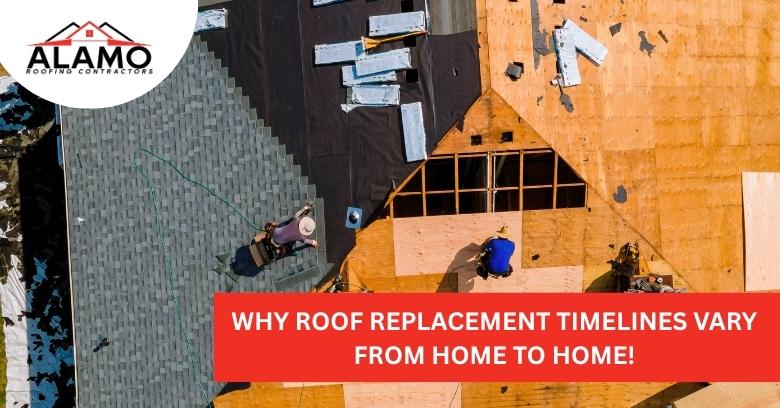
Why Roof Replacement Timelines Vary from Home to Home!

Why Roof Replacement Timelines Vary from Home to Home!

If you are a homeowner in Portage Indiana or nearby areas like Crown Point, chances are you have thought about replacing your roof at some point. Maybe you have noticed cracked shingles, leaks in your attic, or simply want to increase your home's curb appeal and value. When you start reaching out to a roofing contractor, you will quickly realize that the timeline for your roof replacement is not set in stone. It can vary, sometimes dramatically, depending on several unique factors.

Understanding why these timelines differ from home to home can help set your expectations and reduce stress throughout the process. It is about more than just tearing off old shingles and nailing down new ones. The job involves careful planning, precision, and the use of high-quality materials, as well as navigating unexpected hurdles that only an experienced roofing company can handle efficiently. Additionally, local influences such as the climate in Portage Indiana and fluctuating weather patterns in Crown Point, play a significant role in determining the pace of a roof replacement project.

But beyond the weather and your chosen roofing contractor's expertise, roof replacement timelines depend on the specifics of your property. That includes your home's age and structure, the type of roofing materials being used, the degree of damage or need for repairs, permitting requirements, and even the availability of professionals in your area. If you are comparing notes with neighbors about their recent projects, do not be surprised if your experience differs, even if you live right down the street.

In this article, we will examine why roof replacement timelines vary, drawing from firsthand industry experience. We will explore everything you need to know, from the initial assessment by your roofing contractor to the choice of roofing materials and local permitting processes, as well as the nuts and bolts realities that can cause delays or expedite the process. Whether you are in Portage, Crown Point, or anywhere in Northwest Indiana, this guide will help you make informed decisions, set realistic expectations, and work seamlessly with your roofing company for a smooth roof replacement process.

Let's uncover the real reasons behind those varying timelines and make your next roofing project as streamlined as possible.

What Influences Roof Replacement Timelines?

When a roofing contractor in Portage Indiana is tasked with replacing a roof, they consider a host of critical factors unique to your property and situation. While many roofing companies strive for efficiency, every replacement job brings its own set of variables.

1. Roof Size and Complexity

One of the most obvious factors is the size and complexity of your roof. A small, one-story home with a simple gable roof can be replaced far more quickly than a large, multi-story property with intricate peaks, valleys, dormers, and skylights. The more complex the geometry, the more labor-intensive the replacement will be. In Portage and Crown Point, neighborhoods range widely in architectural style, so roofing companies must adjust their strategies accordingly.

2. Type of Roofing Materials

Your choice of roofing materials can significantly impact the duration of the project. Asphalt shingles, the most common choice in Indiana, are generally quicker to install compared to alternatives like slate, tile, or metal. Specialty materials require additional skill and care, sometimes even special equipment. If your roofing contractor is sourcing premium or custom materials, expect added time for both ordering and installation.

3. Weather and Seasonal Factors

Portage and Crown Point are no strangers to unpredictable Midwest weather. Rain, snow, high winds, and extreme temperatures all influence workability and safety on roofing jobs. A sudden spring downpour can set back a project by several days or more, as can a mid-winter snowstorm. Roofing companies in Northwest Indiana often include contingencies for weather-related delays in their estimates, but it remains a top cause of schedule shifts.

4. Extent of Damage and Repairs Needed

Not every roof replacement is straightforward. Sometimes, once the old materials are removed, your roofing contractor may discover rotten decking, damaged rafters, or mold that needs remediation. These underlying issues must be addressed before new roofing can be installed, resulting in an expanded scope of work and lengthened project timelines.

5. Permitting and Inspection Requirements

Depending on local regulations in Portage, Crown Point, and surrounding communities, obtaining the necessary permits and scheduling inspections can add days to the timeline. While professional roofing companies typically handle these logistics, each municipality has its own speed or lack thereof for approving paperwork and conducting site visits.

6. Accessibility and Site Preparation

The ease of access to your roof can also impact replacement timelines. Homes surrounded by mature trees, fences, narrow driveways, or other obstacles may require additional preparation before work can begin. Staging materials, setting up safety equipment, and having a clear worksite can take extra time in these scenarios.

7. Crew Size and Experience

A well-staffed, experienced roofing contractor generally moves faster than a smaller or less accomplished crew. Larger companies with dedicated teams can often complete projects more efficiently, but their availability may be affected by demand, especially during peak storm and hail seasons in Northwest Indiana. That is why it pays to choose a reliable, highly rated roofing company with a proven local track record.

8. Homeowner Decisions and Change Orders

Every homeowner wants their new roof to be perfect. If you decide to change the shingle color, opt for upgraded underlayment, or request additional work such as new gutters or ventilation, those change orders can extend the timeline. Clear communication with your chosen roofing contractor means you understand how such decisions may impact project schedules.

The Roof Replacement Process: Step by Step

Understanding the stages of roof replacement and the points where delays are most likely to occur can help you anticipate and manage your own project expectations.

  • Step 1 - Initial Consultation and Inspection: The process begins with a thorough inspection by your roofing contractor. They will assess the current condition of your roof, attic, and underlying structure, discuss material options, and outline the recommended scope of work. This is where local expertise in Portage and Crown Point makes a difference as a contractor who knows the area can identify climate-specific challenges and recommend the best solutions.
  • Step 2 - Estimate and Contract Signing: After the inspection, you will receive an estimate detailing labor, materials, and projected timelines. Once you agree on terms, a contract is signed, and your spot in the schedule is secured. During busy periods like after a major hailstorm, demand for roofing companies can lead to additional wait times before your project begins.
  • Step 3 - Permitting and Materials Ordering: Most roof replacements require permits from your local government. Your roofing contractor will handle this, along with ordering all necessary materials. If you have selected a unique color or specialty product, please note that its availability may impact your start date.
  • Step 4 - Site Preparation and Tear-Off: Once permits are approved and materials arrive, the crew preps your home by covering landscaping, moving vehicles, and setting up scaffolding for safety. The existing roofing is then removed, exposing the underlying decking.
  • Step 5 - Repairs and Decking Inspection: This is a critical stage when your roofing company inspects for hidden damage. Any issues with decking or framing must be repaired before installation continues, which sometimes adds unforeseen days to the job.
  • Step 6 - Installation of New Roofing System: With a sound structure confirmed, the new underlayment, flashing, and shingles or other materials are installed. Good weather allows most residential roof replacements to be completed in 1 to 3 days, but larger or more complex projects can extend beyond a week.
  • Step 7 - Clean-Up and Final Inspection: After installation, the crew cleans up debris and conducts a final quality check. If required, a city or county inspector conducts their own review before the job is officially complete.

Local Considerations in Portage and Crown Point

It is not just the roof itself, but the location that matters. Portage and Crown Point Indiana both experience extreme seasonal temperature swings, humidity fluctuations, and severe storms capable of producing hail or high winds. These conditions not only dictate when roofing projects can take place, but they can also cause abrupt interruptions. For example, late autumn and winter can be risky times for roof replacements due to early snowfalls, while spring and summer thunderstorms may elongate timelines with frequent rain delays.

The local labor market is another significant consideration. During peak repair seasons, such as after storms or when several large commercial projects converge, the availability of a quality roofing contractor may become limited. Homeowners who plan ahead and book well in advance often secure better timelines and more personalized attention.

Additionally, neighborhood covenants or city ordinances common in some Portage subdivisions and Crown Point's historic districts may mandate pre-approval for certain materials or styles, adding bureaucratic steps to the process.

Communication Makes All the Difference

The best way to minimize surprises and stay informed throughout your project? Maintain consistent and proactive communication with your roofing company. Request clear timetables, confirm milestones, and ask for immediate updates if weather, supply, or inspection delays occur. A reliable roofing contractor values transparency and will keep you informed, building trust from the initial estimate to the final walk-through.

Conclusion

When it comes to roof replacement timelines, there is no one-size-fits-all answer, especially in diverse communities like Portage and Crown Point Indiana. Every roof is as distinct as the home it protects. Whether it is the scale and complexity of the job, the choice of roofing materials, weather quirks, or behind-the-scenes challenges like permitting and hidden repairs, countless variables come into play. Choosing a local, experienced roofing contractor means you will have an expert who understands both the technical and community-specific factors that shape the process.

As you consider your next steps, remember that realistic expectations and clear communication will make your roofing experience as smooth and as timely as possible. Do not hesitate to reach out, ask questions, and request regular updates from your prospective roofing company. By being informed and proactive, you can navigate even the most unpredictable aspects of roof replacement with confidence.

Ready to take the next step? Contact a trusted roofing contractor in Portage or Crown Point today for a thorough assessment and personalized project timeline. Your new roof and peace of mind are just a call away!


Key Takeaways

  • Every Roof Replacement Is Unique: There is no universal timeframe for replacing a roof, as each home presents different challenges in terms of size, design, and condition. Understanding the specifics of your own property is crucial for realistic expectations.
  • Material Matters: The roofing materials you choose significantly impact both the duration and complexity of the replacement. Asphalt shingles are typically faster to install, while metal, tile, or slate can require specialized handling that adds to the timeline.
  • Weather is a Major Influencer: Local weather patterns in Portage and Crown Point Indiana are often unpredictable. Rain, wind, and extreme temperatures can halt progress and extend completion dates, so always plan with a buffer for potential delays.
  • Permitting and Local Regulations Add Time: Allow extra time for permit approvals and inspections, as each community has its own processes. Your roofing contractor can usually expedite this process, but it is out of their hands once the application is submitted to municipal departments.
  • Hidden Damage Can Cause Delays: Unforeseen issues, such as rotted decking or structural repairs, may not become apparent until removal begins, leading to necessary but unavoidable schedule adjustments.
  • Homeowner Choices Count: Any changes or additions you request midway like upgraded materials or additional features can increase both the scope and timeline of the project.
  • Professional Experience Makes a Difference: Selecting a well-established local roofing company means you will benefit from trained crews who know how to anticipate, communicate, and overcome regional challenges quickly.
  • Communication Is Key: Stay in touch with your roofing contractor on a regular basis to have a smooth project. Proactive communication helps manage expectations and provides that any changes or delays are clearly understood on both sides.
  • Seasonality Matters: Scheduling your project in advance, ideally before peak seasons caused by storms, gives you greater flexibility and a better chance at a swift completion.
  • Investing in Local Expertise Yields Returns: Roofing companies familiar with Portage, Crown Point, and Northwest Indiana know how to navigate local building codes, weather, and neighborhood requirements, making your replacement project smoother and more predictable.

FAQs

1. How long does a typical roof replacement take in Portage Indiana?
A standard asphalt shingle roof replacement typically takes 1 to 3 days, but larger or more complex roofs, as well as factors such as weather or hidden repairs, can extend the process.

2. What can delay a roof replacement project?
Common causes of delays include adverse weather conditions, unforeseen structural damage, permitting hold-ups, waiting for specialty materials, and change requests from homeowners.

3. Does the roofing contractor handle permits and inspections?
Yes, reliable roofing companies in Portage or Crown Point typically manage all necessary permits and arrange the required inspections; however, approval times vary by municipality.

4. Are winter roof replacements possible in Indiana?
They are possible, but snow, ice, and freezing temperatures can present challenges and risks. Most contractors recommend waiting for milder weather, unless urgent repairs are needed.

5. How does the choice of materials affect my replacement timeline?
Certain materials, such as metal, tile, or custom products, may require special installation techniques or longer shipping times, which can extend the project duration beyond that of basic asphalt shingles.

6. Should I be home during the roof replacement?
You do not need to be home, but being accessible for questions or decisions will help keep the project on schedule.

7. How much notice do I need to give to schedule a roof replacement?
During busy seasons, such as after storms in Crown Point, roofing companies may book out several weeks in advance. Early planning allows you to get a preferred date.

8. What if my contractor finds additional damage once work starts?
If underlying issues, such as rotted wood, are discovered, your roofing contractor will inform you of the necessary repairs and any adjustments to the timeline and cost.

9. How do I choose the right roofing company in Portage or Crown Point?
Look for a contractor with strong local reviews, proper licenses and insurance, and a history of transparent communication and quality craftsmanship.

10. Can I upgrade my roofing system during replacement?
Absolutely! Many homeowners take advantage of this opportunity to add features like enhanced ventilation, upgraded insulation, or impact-resistant shingles. Discuss upgrades with your contractor upfront for the most efficient process.

3 Types of Warranties Your Roofing Contractor Should Offer!

3 Types of Warranties Your Roofing Contractor Should Offer!

When you are planning a roofing project, whether it is for a new build, a complete replacement, or necessary repairs after a storm, your choice of a roofing contractor in Portage Indiana and nearby areas like Crown Point is one of the most important decisions you will make. But beyond experience, material options, and price estimates, there is another critical aspect to evaluate: the warranties your roofing contractor offers.

Warranties are more than just paperwork as they are your peace of mind. In the world of roofing, a warranty is not just a promise: it is a guarantee that your investment is protected against defects, installation errors, and even some of the unpredictabilities that come with living in the Midwest. If you have ever experienced the headache of a leaky roof or the frustration of a shingle failure just months after an expensive replacement, you know how crucial it is to have clear, comprehensive coverage.

Let's face it: roofs are a substantial investment, one that every homeowner and property manager hopes will last as long as possible. But even the best materials and most skilled labor cannot fully account for the elements or unexpected mishaps. Roofs in Portage and Crown Point Indiana endure harsh winters, strong winds off Lake Michigan, and hot, humid summers. This means that when you work with a professional roofing contractor, you should demand more than just skill; you should expect strong warranty protections.

But here is the catch: not all roofing warranties are created equally. There is a big difference between a manufacturer's warranty, a workmanship warranty, and system or full-coverage warranties. Some cover just the materials, others the labor or installation, and a few offer a comprehensive safety net to protect your property and budget.

Understanding the types of warranties your roofer should provide and knowing how they work will help you make informed decisions and avoid costly surprises so that you are getting real value for your roofing investment in northwestern Indiana communities. Let's dive into the three key types of warranties every reliable roofing contractor should offer!

The Three Essential Roofing Warranties Your Contractor Should Provide

1. Manufacturer's Material Warranty

The first and most common warranty you will encounter is the manufacturer's material warranty. When you hire a roofing contractor in Portage Indiana to install a new asphalt shingle, metal, or tile roof, the manufacturer of the roofing materials typically offers a warranty guaranteeing the quality and durability of its products.

What Does It Cover?

A manufacturer's warranty generally protects you against defects in the roofing materials themselves. If shingles start curling, cracking, or showing premature wear due to manufacturing errors as opposed to improper installation or external damage, the manufacturer will often provide replacement materials, sometimes even at no cost.

Coverage Duration

Coverage varies by product and manufacturer, but it is not uncommon to see warranties ranging from 20 years for standard shingles to 50 years or even lifetime coverage for premium products. Many manufacturers, such as GAF, Owens Corning, and CertainTeed, offer prorated warranties, meaning coverage decreases over time.

What About Labor?

It is vital to note that most manufacturer warranties cover materials only. If your shingles need to be replaced due to a defect, you may be on the hook for the labor costs unless you upgrade to an enhanced or system warranty, more on that shortly.

Pros and Cons

  • Pros: Assures material quality; often transferable to new owners which is a plus for resale value; long-lasting.
  • Cons: Usually does not cover installation errors or labor; some warranties are prorated, reducing value over time.
  • Applications: Ideal for homeowners who want peace of mind about the basic quality of their roof, especially important in areas like Crown Point Indiana, where homes are exposed to challenging conditions.

2. Workmanship or Contractor Warranty

While material warranties are important, they are not the whole story. Installation errors are among the most common causes of premature roof failures. That is where a workmanship or contractor warranty comes into play.

A reliable roofing contractor in Portage or Crown Point Indiana should stand by their craftsmanship. This warranty protects you against leaks, poor installation, or mistakes that can lead to expensive repairs or the need for early replacement.

What Does It Cover?

A workmanship warranty covers defects arising from the installation process. For example, if flashing was improperly installed, fasteners were misplaced, or ventilation was overlooked, the contractor is responsible for rectifying these issues.

Coverage Duration

Workmanship warranties typically range from 1 to 20 years, though a minimum of 5 to 10 years is common among top contractors. Always ask for details and get the warranty in writing.

Pros and Cons

  • Pros: Directly covers errors the contractor may make; encourages higher-quality workmanship; provides recourse without out-of-pocket expenses if issues emerge.
  • Cons: Coverage periods vary widely; they are only as reliable as the contractor's reputation and business stability because if the contractor goes out of business, the warranty may be meaningless.
  • Applications: Crucial for any roofing project, whether residential or commercial, but especially vital for complex roofs where installation quality is paramount.

3. System or Comprehensive Warranty

For homeowners in Portage and Crown Point Indiana seeking maximum protection, a system warranty that is sometimes called a full-system or extended warranty is the gold standard. This warranty is often an enhanced package offered by the manufacturer, sometimes in partnership with certified contractors.

What Does It Cover?

A system warranty typically covers both materials and labor, as well as specific roofing system components such as underlayments, flashing, and ventilation. It may even address issues arising from both material defects and workmanship errors, creating an extensive safety net.

Coverage Duration

System warranties frequently extend 25 years or more, often with non-prorated coverage during the initial years. Requirements for eligibility usually include using all necessary system components from the same manufacturer and having the installation performed by a certified roofing contractor.

Pros and Cons

  • Pros: Comprehensive protection; covers both installation and materials; may be transferable; boosts home value.
  • Cons: Usually costs more up front; strict eligibility requirements such as using only branded components and certified contractors.
  • Applications: Best for homeowners planning to stay long-term, maximizing investment protection, and those wanting minimal risk from both installation errors and material failures.

Why These Warranties Matter for Roofing in Portage and Crown Point Indiana

Both Portage and Crown Point experience a full range of midwestern weather extremes including lake-effect snow, high winds, temperature swings, and summer storms. These conditions can accelerate roof wear or expose hidden installation errors. That is why choosing a contractor who offers resilient warranties is not just a box to check; it is essential protection for your home or commercial property.

A manufacturer's warranty ensures you are covered if a batch of shingles does not stand up to the elements, while a workmanship warranty protects you from costly mistakes during installation. The system warranty, meanwhile, offers comprehensive peace of mind, especially for major investments or complex projects.

When you are interviewing roofing contractors in Portage Indiana or searching for the best team in Crown Point, do not just ask about materials or timelines. Make warranties a central part of your decision-making process. The right warranty can save you thousands and countless headaches down the road.

What to Ask Your Roofing Contractor Before You Sign

Before committing to a new roof, be sure to get clear, written answers to these key questions:

  • What type of warranties do you offer and what do they specifically cover?
  • Are the warranties transferable to a new owner if I sell my home?
  • Who is responsible for registering the warranty, you or the contractor?
  • What would void the warranty such as install issues or unauthorized repairs?
  • Is there a maintenance or inspection requirement to keep the warranty valid?
  • Is the warranty prorated or does coverage remain consistent?
  • Does the workmanship warranty remain valid if you go out of business?

The more you know upfront, the better protected you will be as a homeowner or property manager in northwestern Indiana.

Conclusion

Roofing projects come with significant investment and the expectation of long-lasting protection for your home or building. But not all peace of mind comes from the quality of the shingles or the skill of your roofing contractor alone. You deserve resilient warranty coverage that stands up to the unique climate risks in Portage Indiana and its surrounding communities, such as Crown Point.

By understanding the three crucial types of warranties - manufacturer's material, workmanship, and system coverage - you empower yourself against unexpected repairs, installation mishaps, and product defects. Excellent roofing contractors will not just suggest these warranties, they will walk you through the options, explain the value, and help you secure the best fit for your property and budget.

So, as you plan your next roofing project, make warranties a top priority during your contractor search. Ask the right questions, get coverage details in writing, and choose a roofing professional who stands by both their product and their work. Your future self and your wallet will thank you when storms roll through or when it is time to sell your property with confidence.

Ready to upgrade your roof? Reach out to a trusted roofing contractor in Portage or Crown Point Indiana and ask about their warranty options. Your investment, your comfort, and your peace of mind deserve nothing less!


Key Takeaways

  • Always Demand Written Warranties: Do not rely on verbal promises. Get all warranty details, including coverage, duration, and exclusions, in writing from your roofing contractor so that you have proof, recourse, and clarity if issues arise.
  • Understand What Each Warranty Covers: Manufacturer's warranties cover product defects, but not installation problems. Workmanship warranties protect against installer errors. System warranties are the most comprehensive, covering products, labor, and system components.
  • Check for Transferable Coverage: If you plan to sell your home, a transferable roofing warranty in Portage or Crown Point adds value and attracts more buyers. Ask your contractor if their warranties offer this option, and get the transfer requirements in writing.
  • Ask About Maintenance Requirements: Some warranties require periodic inspections or maintenance. Missing these steps could void your coverage. Clarify all requirements with your contractor and consider scheduling annual checkups.
  • Know Who Registers Your Warranty: Some manufacturers require the roofer, not the homeowner, to register the warranty. Double-check who is responsible so you do not accidentally miss out on coverage.
  • Consider System Warranties for Major Investments: When installing a whole roofing system, especially if you plan to stay in your home for years, a system warranty offers the most protection. The initial higher cost often pays off with fewer worries and protected resale value.
  • Watch for Exclusions and Voiding Scenarios: Certain actions, such as installing satellite dishes, unauthorized repairs, or using non-approved materials, can void your warranty. Make sure you are clear on all exclusions before the project starts.
  • Choose a Reliable, Local Contractor: A strong workmanship warranty is only as good as the business backing it. Choose a roofing contractor with a strong track record in Portage and Crown Point Indiana, knowing they will be there if you need help down the line.
  • Ask About Prorated Warranties: Many manufacturer warranties offer prorated coverage that reduces in value over time. Know how your coverage changes year by year, and ask if enhanced non-prorated options are available.
  • Do Not Be Afraid to Invest in Quality: Top-tier warranties may require certified contractors and premium materials. While this may cost more upfront, the long-term protection and peace of mind are well worth it, especially given Indiana's challenging climate.

FAQs

1. What is the difference between a manufacturer's warranty and a workmanship warranty?
A manufacturer's warranty covers defects in roofing materials so that if your shingles or underlayment fail due to factory errors, you are protected. A workmanship warranty offered by your roofing contractor covers installation mistakes, providing peace of mind against leaks or failures caused by improper installation.

2. Do all roofing contractors in Portage, Indiana, offer workmanship warranties?
Not all roofing contractors offer workmanship warranties and coverage varies widely. Reputable roofers serving Portage and Crown Point Indiana should back their work with a clear workmanship warranty, so always ask before signing any contract.

3. Are roofing warranties transferable if I sell my home?
Some roofing warranties, including certain manufacturer and system warranties, are transferable to new homeowners. This can increase your home's value and appeal to buyers in Portage and Crown Point Indiana. Always ask about transfer requirements and any associated fees.

4. How long do roofing warranties usually last?
Duration varies by warranty type. Manufacturer's warranties can last 20 to 50 years and are sometimes labeled lifetime, while workmanship warranties typically run 1 to 20 years. System warranties may extend 25 years or more, often non-prorated for part of their term.

5. What could void my roofing warranty?
Common voiding factors include unauthorized repairs, improper maintenance, the use of non-approved materials, or the installation of accessories such as satellite dishes without approval. Be sure to follow all warranty requirements and consult your contractor for clarification.

6. Is it possible to purchase enhanced or upgraded roofing warranties?
Yes! Many manufacturers offer enhanced warranties covering materials, labor, and workmanship when you use all system components and certified installers. These packages are ideal for maximizing protection in Indiana's challenging climate.

7. Who is responsible for registering my roofing warranty?
Responsibility varies. Sometimes the roofing contractor registers your warranty with the manufacturer and sometimes the homeowner must do it. Clarify these details before your project begins to have coverage.

8. Does a warranty cover storm or wind damage?
Most warranties exclude acts of God like hail or tornadoes, but some may cover wind-related damage up to a certain speed. For broader protection against severe weather, consider adding a dedicated roof insurance policy alongside your warranty.

9. Do I have to maintain my roof to keep my warranty valid?
Yes, many warranties require periodic inspections, maintenance, or documentation of repairs. Skipping regular upkeep could void your coverage. Schedule annual roof checkups with your contractor to stay protected.

10. What should I do if I suspect a roofing defect or installation error?
Contact your roofing contractor in Portage or Crown Point immediately. Provide documentation, including your warranty certificate, photos, and a description of the issue. Prompt action helps protect your claim so that repairs are covered under warranty.

Tips to Speed Up Your Roof Replacement Without Cutting Corners!

Tips to Speed Up Your Roof Replacement Without Cutting Corners!

A sturdy, reliable roof is much more than just a layer of shingles over your head; it is your first line of defense against the elements, a crucial component of your home's curb appeal, and a significant investment in the property's overall value. If you have started to notice leaks, missing shingles, or visible damage, you are probably thinking about roof replacement. And if you are like most homeowners in Portage Indiana or nearby areas such as Crown Point, you want the job done quickly and efficiently without sacrificing quality.

Speeding up your roof replacement is not just a matter of picking up the phone and calling any roofing contractor you find. There is a careful balance to strike between efficiency and craftsmanship. You should not have to choose between a fast, slapdash job and waiting weeks for the work to finish. The good news is that with the right planning, preparation, and team, you can have your roof replaced swiftly, safely, and to a high standard.

Homeowners often search phrases like roofing company near me in hopes of finding a trustworthy business that understands both local weather conditions and the urgency of roof repairs. The market in Portage Indiana and its surrounding communities is highly competitive, with numerous contractors vying for your attention. But not all roofing companies deliver the same results and a rushed job with shortcuts can cost you more in the long run such as water leaks, structural issues, or warranty problems.

So how can you be sure that your roof replacement is completed quickly while adhering to strict guidelines? This article is your go-to resource. We will explore tried-and-true tips to help expedite the process without cutting corners, from choosing the right roofing contractor to streamlining communication and prepping your property. We will also cover what you can expect timeline-wise, how seasonal factors impact Portage and Crown Point, and offer practical advice to prevent costly delays.

Whether you are in Portage Indiana or just outside Crown Point, it pays to be proactive. The sooner you start preparing, the sooner you will enjoy the peace of mind that comes with a brand new roof and without the stress of drawn-out disruptions. Most importantly, you can achieve the speed you need without compromising safety, durability, or value.

Let's dive right in and discover how you can speed up your roof replacement project, select an excellent roofing contractor, and make roofing company near me searches work to your advantage!

1. Pick the Right Roofing Contractor from the Start

Selecting the right roofing contractor is, hands down, the most critical choice you will make throughout your roof replacement journey. Not all companies are equal in their speed, expertise, or reliability. A trusted roofing contractor in Portage& Indiana should offer the perfect blend of rapid turnarounds and premium workmanship, two qualities you should not have to choose between.

Here is what to look for:

  • Local Reputation: Investigate reviews, ask your neighbors, and check ratings for any roofing company in your area. Local contractors are familiar with regional weather patterns as well as permitting requirements and they have a vested interest in maintaining a positive presence within the community.
  • Clear Communication: A great contractor will set expectations for the timeline, materials, and possible challenges upfront. Prompt responses and regular updates can dramatically reduce delays.
  • Certification and Insurance: Make sure the contractor is licensed, insured, and certified to work in Indiana. This protects both you as well as the crew and can speed things along if unexpected issues arise.
  • Experience with Roof Type: Roofs come in all shapes, sizes, and materials. Choose a roofing contractor who has completed similar projects in Portage Indiana or Crown Point, reducing the learning curve and boosting efficiency.

2. Plan Ahead and Lock in Material Choices

One of the most common sources of project slowdowns is indecision, especially when it comes to roofing materials. Whether you are leaning toward asphalt shingles, metal roofing, or designer options, make your choice before work begins. By finalizing the color, style, and supplier early on, your contractor can order materials ahead of time, minimizing the risk of supply chain snags.

Ask your potential roofing company about:

  • Lead times for specific materials
  • Local distributors in Portage or Crown Point who may have stock on hand
  • Manufacturer warranties, which can sometimes influence scheduling and delivery

3. Prepare Your Property Before the Crew Arrives

A little homeowner prep goes a long way toward expediting the roofing process. Before the crew arrives, make certain the area around your home is as accessible as possible. Move vehicles from the driveway, trim overhanging branches, and relocate patio furniture, BBQ grills, or children's toys away from the work zone.

Notify your neighbors in advance. This is not just courteous as it can prevent parking disputes and surprises that slow the project. If you live in a community regulated by a Homeowners Association or HOA, obtain the necessary approvals in advance to avoid unnecessary interruptions.

4. Understand Permits and Inspections

Permitting requirements can vary by municipality. An experienced roofing contractor in Portage or Crown Point Indiana will know the ropes, but staying informed is vital. Ask:

  • Who secures the permits?
  • What are the typical wait times?
  • Are there required inspections at the midpoint or final completion?

By clarifying these details upfront, you can avoid frustrating last-minute surprises that stall progress. Local contractors can often expedite approvals thanks to their established relationships with building departments.

5. Optimize Scheduling and Work Hours

When you search for a roofing company near me, prioritize those who can offer a dedicated crew and continuous workdays until the job's done. Some companies try to juggle multiple projects simultaneously, rotating crews in and out. While this may be necessary at times, the most efficient replacements happen when a focused team tackles your job from start to finish.

Ask your contractor if they use in-house teams or subcontractors and clarify their approach to weather delays, especially in areas like Portage and Crown Point, where Midwest weather can be unpredictable.

6. Embrace Technology for Project Management

Many leading roofing contractors now use project management apps, aerial measurement tools, and digital scheduling to streamline operations. These technologies allow for more accurate estimates, quicker turnarounds, and faster communication. If your roofing contractor utilizes these tools, you will often see measurable improvements in both speed and quality.

7. Stay Available for On-the-Spot Decisions

Even with the best planning, unexpected issues can arise; perhaps a section of rotten decking is discovered or material substitutions become necessary. Being available by phone or text allows the contractor to get quick approvals from you, preventing unnecessary delays.

8. Consider the Best Time of Year for Roof Replacement

Scheduling your roof replacement during moderate weather seasons, such as late spring or early fall, can significantly impact efficiency. Extreme cold or heat can slow down the installation process, especially with certain materials. Portage and Crown Point experience their share of Midwest temp swings, so aim for those shoulder seasons when possible. Contractors also tend to be less booked up right after the holidays or before the summer rush, giving you more scheduling flexibility.

9. Handle Old Roof Removal and Disposal Efficiently

Tearing off the old roof is messy but necessary for a long-lasting new installation. The most organized roofing companies coordinate dumpster delivery, removal, and disposal to minimize time on site. Find out in advance how old materials will be disposed of and clarify whether there is any expected downtime between tear-off and new installation. An efficient crew can often complete both in just a couple of days, weather permitting.

10. Insist on an Onsite Project Manager

Having a single point of contact on-site every day allows for smooth operations. The project manager coordinates between you, the crew, inspectors, and any material suppliers, so questions are answered quickly and any hiccups are addressed immediately. If your prospective roofing contractor provides this level of oversight, it is a strong sign you are in good hands.

Conclusion

A speedy roof replacement does not have to mean sacrificing quality or oversight - far from it. When you select an experienced, reliable roofing contractor in Portage Indiana or nearby Crown Point, the process can be smooth, efficient, and even empowering. From initial research to prepping your property and streamlining communication with your contractor, every step you take moves you closer to a simple, high-quality installation.

Remember, taking shortcuts often leads to more headaches and expenses down the road. Instead, focus on preparation and proactive choices that help your project move swiftly and safely from start to finish. Do not hesitate to ask your roofing contractor about their processes, previous projects, and how they handle unexpected challenges.

If you are starting your search for a roofing company near me, use these tips to evaluate potential contractors and streamline your roof replacement timeline. Discuss your specific needs, clarify expectations, and set a firm schedule. In return, you will likely enjoy a swift, professional experience and a roof that stands up beautifully to the region's varied weather for years to come.

Now that you are equipped with expert-backed strategies, it is time to take the next step. Start researching top-rated local contractors, prepare your home and your schedule, and make sure you are ready for a smooth, successful roof replacement that is done right and done fast!


Key Takeaways

  • Prioritize Local Experience: Select a roofing contractor with a proven track record in Portage and Crown Point Indiana for expedited permitting, streamlined material sourcing, and efficient issue resolution.
  • Finalize Material Choices Early: Delays often stem from indecision. Settle on your preferred roofing materials and colors before work begins to prevent hold-ups.
  • Streamline Communication: Be readily available to address questions, provide approvals, and handle unexpected changes. Quick responses keep the replacement moving efficiently.
  • Prepare the Work Area: Clear your driveway, trim any overgrown trees, and secure all outdoor belongings. This not only saves time but also helps protect your property.
  • Clarify Permit and Inspection Needs: Confirm who is responsible for permitting and inspections, and obtain written timelines to avoid bureaucratic delays.
  • Optimize Project Scheduling: Book your roof replacement during favorable weather and less busy seasons for the fastest turnaround.
  • Examine Contractor Scheduling Practices: Ask whether the company provides a dedicated crew for your job to have uninterrupted progress every day.
  • Embrace Tech Tools: Contractors who leverage technology can provide more accurate estimates and proactive project management, saving a significant amount of time.
  • Insist on Onsite Oversight: An on-site project manager streamlines communication and resolves problems before they escalate.
  • Do Not Accept Shortcuts: Quick does not mean careless - your roofing company should adhere to best practices for installation, cleanup, and warranty documentation.

FAQs

1. How do I find the best roofing contractor in Portage Indiana?
Start by searching for a roofing company near me and reading reviews, checking references, and confirming local licensing and insurance. Look for contractors with a proven record in Portage and the surrounding areas.

2. Can roof replacement really be completed in a day?
With a large, experienced crew and ideal weather conditions, some residential roof replacements can be completed in a single day. Of course complexity, material choices, and weather conditions in Portage or Crown Point can extend this timeline.

3. What preparation should I do before the roofing crew arrives?
Clear your driveway, remove valuables and fragile items near windows, trim nearby trees, and communicate with neighbors about the project to enjoy smoother operations.

4. How can I speed up the permitting process?
Hire a local roofing contractor familiar with the permitting systems in Portage and Crown Point. They will know how to expedite paperwork and comply with all local regulations.

5. Are there specific seasons better for scheduling a roof replacement in Indiana?
Late spring and early fall generally offer the best conditions in Indiana. Roofing contractors often have greater availability and weather disruptions are less frequent.

6. Will my roofing contractor handle cleanup and debris removal?
Most reliable roofing companies include the cleanup and disposal of old materials in their service. Confirm this in your contract and ask about their process.

7. Is it worth paying more for a local contractor instead of a chain or out-of-town company?
Yes. Local contractors in Portage or Crown Point typically offer faster response times, are familiar with local codes, and provide more personalized service.

8. How can technology help my roof replacement be efficient?
Contractors using drones for measurements, project management apps, or digital communication tools often streamline every stage, from estimates to completion.

9. What if unexpected repairs arise during the project?
Stay reachable for fast decisions. A reliable roofing contractor will inform you of issues as soon as they are found and advise on options, keeping the process moving forward.

10. Does a faster roof replacement affect warranty coverage?
Speed should never compromise quality. Be sure of proper installation and documentation to maintain the validity of your new roof's warranty.

What Does A Roofing Contractor Look for During A Roof Inspection?

What Does A Roofing Contractor Look for During A Roof Inspection?

Maintaining a sound and reliable roof in Portage Indiana is essential for every homeowner and regular inspections are a crucial part of that upkeep. A thorough roof inspection can identify potential problems early, preventing costly damage and safeguarding the longevity of your home's protective shield. Understanding what a roofing contractor looks for during an inspection empowers you to proactively address any issues, safeguarding your investment and maintaining your home's value. In this blog, we will delve into the key areas a qualified roofer examines, providing insights that can save you time, money, and headaches.

1. Shingle Condition

One of the first things a roofing contractor will assess is the condition of your shingles. Cracking, missing, or ripped shingles are immediate red flags, signaling that your roof is compromised and vulnerable to leaks. These issues not only detract from the overall appearance of your home but also create pathways for water to infiltrate, potentially causing significant structural damage. Addressing these problems promptly with the help of a skilled roofer can prevent more extensive and costly repairs down the line. Regular maintenance and timely repairs are essential for preserving the integrity of your roof and protecting your investment.

2. Shingle Degranulation

Granules, the small, protective particles covering your shingles, play a crucial role in shielding your roof from the elements. An experienced roofing contractor knows that excessive granule loss, often visible in the gutters, indicates an aging roof that is nearing the end of its serviceablelife. As the granules wear away, the underlying asphalt becomes exposed, making the shingles more susceptible to damage from UV rays, rain, and other environmental factors. If you notice significant granule loss, it is wise to consult with a roofer to determine the best course of action, whether it is a simple repair or a complete roof replacement.

3. Exposed Nails

Exposed nails, particularly around vents and other roof penetrations, are another common issue that a roofing contractor will look for. A qualified roofer understands that these exposed nails can allow water to seep into the attic, leading to a host of problems, including leaks, mold growth, and damage to insulation as well as drywall. Over time, even a small leak can escalate into a major issue, causing extensive damage and potentially compromising the structural integrity of your home. Sealing or replacing these nails is essential to prevent water intrusion and protect your home from the damaging effects of moisture.

4. Physical Damage to Vents

Hail damage to aluminum vents can be a subtle yet significant indication of a compromised roof. A thorough roofing contractor will carefully examine the vents for dents, dings, and other signs of impact, as these can indicate broader issues with the roof's overall condition. While the damage to the vents themselves may seem minor, it can be a harbinger of more extensive problems, such as weakened shingles or compromised flashing. Addressing vent damage promptly can prevent further deterioration and protect your roof from the elements.

Signs of Inadequate Ventilation

Adequate roof ventilation is a critical aspect of maintaining a healthy and long-lasting roof system. A knowledgeable roofing contractor will assess the ventilation system to be sure it is functioning correctly. Proper ventilation helps regulate attic temperature and moisture levels, preventing issues such as ice dams in the winter and excessive heat buildup in the summer. Insufficient ventilation can lead to premature shingle deterioration, mold growth, and increased energy costs. A well-ventilated roof helps to extend the life of your roofing materials and improve overall energy efficiency.

Watch and Learn What A Roof Inspection Involves

In this helpful video from Alamo Roofing, homeowners can see a roofing inspection from the roofer’s perspective and understand the problems that are often detected on roofs in the Portage and Crown Point areas.

Regular Inspections by A Local Roofing Contractor Are Essential

For homeowners in Portage Indiana and the surrounding area, it is essential to schedule periodic roofer inspections to evaluate the condition of their roofs. During a roof inspection, a roofing contractor thoroughly examines several key areas to assess the roof's condition and identify potential issues. These include checking for damaged shingles, granule loss, exposed nails, and vent damage. By addressing these issues proactively, homeowners can safeguard the longevity and integrity of their roofs, protect their investments, and facilitate smoother home sales!

Looking for A Roofing Contractor in Portage Indiana?

Contact the Roofers at Alamo Roofing for all Your Needs!

Call 219-248-2194 to Schedule Your Inspection Today!

(219) 224-2636