
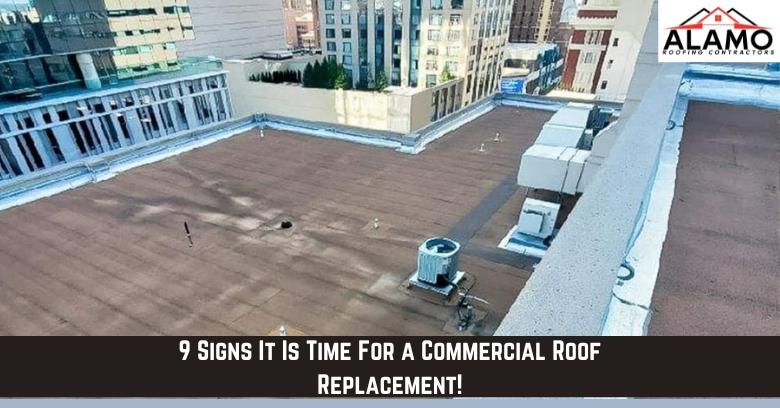
9 Signs It Is Time For a Commercial Roof Replacement!

9 Signs It Is Time For a Commercial Roof Replacement!

For commercial building owners in South Bend Indiana and Naperville Illinois, the roof is often one of the most underappreciated aspects of your property, at least until it starts causing problems! A roof acts as the first line of defense against snowstorms, rain, hail, wind, and UV rays. It keeps your employees safe, your equipment dry, and your operations running smoothly. But just like any other part of your building, your roof has a limited lifespan.

Failing to recognize when it is time for a roof replacement can be an expensive oversight. Small signs of damage often lead to much larger problems if left unaddressed. While ongoing repairs may seem like the economical choice at first, the costs can quickly pile up - not just financially but in the form of downtime, structural damage, and health risks for occupants.

Knowing when to reach out for commercial roofing services can save you thousands of dollars and help protect your investment. A professional inspection may reveal that your roof is no longer a good candidate for repairs and that a full commercial roof replacement is the most responsible step forward. This guide will walk you through 9 warning signs that indicate your roof might be past its prime. If you recognize any of these issues, it is time to call in the experts in commercial roofing and take action before it is too late.

1. Persistent Roof Leaks

Water damage is among the most common and costly issues commercial building owners face. Leaks may start small, showing up as faint stains on the ceiling or bubbling paint. Over time, they can lead to major internal deterioration, including ruined drywall, warped flooring, and dangerous electrical hazards.

In both South Bend and Naperville, seasonal weather changes cause roofing materials to expand and contract. These shifts can create gaps in membranes and flashing, which eventually allow water to seep in. If you have had multiple leaks in the past year, especially in the same area, you are dealing with a deeper issue.

The best course of action is to bring in commercial roofing services for a full diagnostic inspection. They will assess whether the leaks stem from isolated flaws or are symptoms of system-wide failure.

2. Blistering or Bubbling on the Roof Surface

Blistering or bubbling is a red flag that often goes unnoticed until it is too late. These raised areas are caused by trapped moisture or air pockets under the membrane, typically from poor installation, inadequate ventilation, or aging materials.

This type of damage is particularly dangerous for flat or low-slope roofing systems, which are common in warehouses and office buildings. It weakens the membrane and invites further degradation from UV exposure and temperature swings. Over time, bubbles can burst, leading to tears, holes, and eventual leaks.

South Bend's harsh winters and Naperville's humid summers make these issues worse. Snow loads followed by rapid thaws can stress already compromised roofing materials.

If your roof shows widespread blistering, a quick repair may not be enough. A full commercial roof replacement could be the smarter, longer-lasting investment.

3. Visible Sagging or Structural Deformities

A sagging roof is not just unattractive - it is potentially dangerous. Sagging often indicates structural issues beneath the surface, such as compromised support beams, soaked insulation, or deteriorated decking.

Snow accumulation in South Bend can cause major roof deflection if water is not draining properly. Similarly, frequent rainstorms in Naperville can saturate roof materials and make them heavier, especially when combined with debris that blocks drainage systems.

If you notice ponding water, unusual dips in the roofline, or ceiling bulges indoors, it is time for immediate attention. The longer sagging goes unaddressed, the greater the chance of a total roof failure or even collapse. Do not gamble with occupant safety. Consult a commercial roofing contractor to determine the structural integrity of your roof and whether reinforcement or replacement is needed.

4. Mold, Mildew, or Foul Odors Indoors

Indoor air quality is a direct reflection of your building's health. When a roof starts to fail, moisture seeps into insulation and wall cavities, perfect breeding grounds for mold and mildew. This not only creates foul odors and aesthetic issues but can also trigger health problems, especially for those with allergies or respiratory conditions. Businesses with tenants, employees, or customers inside the building could face lawsuits or insurance claims due to unsafe air conditions.

If you have dealt with recurring mold problems, peeling wall paint, or musty smells, the issue may be stemming from the roof. Before investing in interior restoration, have your roofing system evaluated by professionals offering commercial roofing services. It is often more cost-effective to eliminate the source of moisture with a new roof than to repeatedly fix interior symptoms.

5. Rising Energy Bills and Poor Insulation

Your roof plays a major role in your building's energy efficiency. When insulation becomes wet, compressed, or degraded, it loses its R-value, meaning your HVAC system has to work overtime to maintain indoor temperatures. This is a silent but significant issue. You might not see water damage or physical deterioration, but your energy bills are climbing month after month. That is a red flag.

Modern roofing systems use energy-efficient materials that reflect UV rays and, depending on the season, retain heat or cool better. Investing in a commercial roof replacement can slash utility costs and increase comfort throughout your building. If your building in South Bend struggles to retain heat in the winter or your Naperville property overheats in the summer, your roof could be to blame.

6. Roofing Membrane Damage or Balding

The condition of your roof's membrane is a strong indicator of its overall health. Over time, harsh weather, debris, and UV exposure can cause membranes to shrink, crack, or lose their protective top layer - a condition often called "balding." This leads to weakened areas vulnerable to leaks, wind uplift, and thermal damage. You may even notice granules collecting in your gutters or around roof drains, which is a sign of accelerated wear.

Whether you have TPO, PVC, modified bitumen, or another type of commercial roofing membrane, visible damage often means it's past its functional life. Repairs may offer temporary relief but will not restore long-term protection. An experienced commercial roofing company can evaluate the severity of membrane degradation and help you decide whether it is worth repairing or replacing the roof entirely.

7. Age of the Roof

Even if your roof looks fine at a glance, its age alone can be cause for concern. Most commercial roofs last between 15 and 30 years, depending on the material, installation quality, and maintenance frequency. In South Bend and Naperville, the roof's life span may be shorter due to the region's unpredictable weather. Snow loads, hail, temperature extremes, and high winds all take a toll on roofing systems over time.

If your roof is approaching or has surpassed its expected lifespan, schedule an inspection with a company that specializes in commercial roofing services. They can identify hidden weaknesses and help you plan for replacement before a sudden failure catches you off guard. Many building owners prefer to replace older roofs during slower business seasons to avoid disruptions and lock in better pricing.

8. Frequent Repairs and Maintenance Calls

If you find yourself calling your roofer every few months, it is time to reassess your roofing strategy. Constant patching is not only expensive, it is a clear sign that your roof has passed the point of no return. Every commercial roof will need maintenance now and then. But if repair costs are approaching or exceeding the price of a new roof, you are throwing good money after bad.

A commercial roof replacement may seem like a large upfront investment, but it pays off in the long run. You will gain a fresh warranty, improved efficiency, and peace of mind knowing you are protected against the elements. Commercial property managers in South Bend and Naperville often find that once they invest in a new roof, they drastically reduce their maintenance budget and their stress levels.

9. Drainage Issues and Standing Water

Flat and low-slope roofs must drain water efficiently to prevent ponding. When water sits on the surface for more than 48 hours, it can lead to membrane deterioration, mold growth, and structural load issues. Standing water is often caused by clogged internal drains, sagging areas, or poorly designed slopes. This problem is especially prevalent after storms or snowmelt in South Bend and during heavy spring rains in Naperville.

If you frequently see water lingering on the roof after precipitation, it is not just a cosmetic issue. Prolonged ponding accelerates the breakdown of roofing materials and invites leaks. Have a commercial roofing expert check your drainage layout, slope design, and surface condition. If issues are widespread, re-roofing with improved drainage may be the only sustainable solution.

Choosing the Right Roofing Contractor

Deciding to replace your commercial roof is a major investment, and who you choose to do the work matters just as much as the materials you choose. Look for a roofing contractor with experience in commercial roofing services in South Bend and Naperville. Local expertise matters because contractors in your area understand how the Midwest climate affects building materials and roofing performance.

The right contractor should provide a full inspection, transparent estimates, and a selection of materials tailored to your building's size, use, and budget. Check reviews, references, and warranty terms before making a decision. Avoid rushing into the first quote you receive. Instead, focus on value, reputation, and proven experience with commercial roof replacement projects similar to yours.

Conclusion - Be Proactive, Not Reactive

Ignoring roofing problems is one of the most expensive mistakes a commercial property owner can make. The roof is your building's shield, and when it starts to fail, the rest of the structure is exposed to costly damage. From persistent leaks to blistering membranes, sagging, and poor drainage, the warning signs are all there if you know what to look for. Getting ahead of the problem with a timely commercial roof replacement can prevent business interruptions, legal headaches, and long-term repair bills.

If your commercial building is in South Bend or Naperville and you have noticed any of these 9 signs, do not wait. Contact a trusted local provider of commercial roofing services for a thorough inspection. They can help you decide whether repairs are still viable or if replacement is your best bet. Protect your investment. Maintain your building's value. And give yourself peace of mind with a roof you can count on, one installed by professionals who understand the unique demands of commercial roofing in your area!


Key Takeaways

  • Roof issues worsen over time. Delaying action can lead to expensive structural damage, business disruptions, and health hazards.
  • Leaks, sagging, and drainage problems are strong indicators that your roof may need full replacement rather than repeated repairs.
  • Blistering membranes, mold, and rising energy costs signal that your roofing system is no longer functioning efficiently.
  • The age of your roof matters. Most commercial roofs have a 15 to 30 year lifespan. If yours is nearing that range, an inspection is crucial.
  • Frequent repairs often cost more in the long term than a one-time commercial roof replacement.
  • South Bend and Naperville's weather patterns can speed up roof deterioration, so local expertise is essential when choosing a roofing contractor.
  • Hiring trusted commercial roofing services ensures a durable, efficient, and code-compliant solution tailored to your building.
  • Being proactive protects your investment. Addressing roofing concerns early can save time, money, and stress down the road.

FAQs

1. How do I know if my commercial roof needs to be replaced instead of repaired?
If you are dealing with ongoing leaks, sagging areas, mold, or membrane damage, and your roof is nearing the end of its lifespan, a full commercial roof replacement is likely more cost-effective than continued patchwork.

2. How long does a commercial roof typically last?
Most commercial roofing systems last between 15 and 30 years, depending on the materials used, installation quality, and regular maintenance. Harsh weather in South Bend and Naperville may shorten that lifespan.

3. Can I replace my roof during the winter in South Bend or Naperville?
Yes, but it depends on the weather. Some materials can be installed in cold conditions, but most commercial roofing services recommend scheduling replacements during spring, summer, or early fall for best results.

4. What is the most common cause of commercial roof failure?
Water intrusion is the number one culprit. Poor drainage, aging membranes, and freeze/thaw cycles can lead to leaks that cause structural and interior damage over time.

5. How much does a commercial roof replacement cost?
Costs vary widely based on size, materials, and roof design. On average, expect anywhere from $5 to $12 per square foot. A local contractor experienced in commercial roofing can provide a custom estimate.

6. Will a roof replacement interrupt my business operations?
A professional commercial roofing services provider will work with your schedule to minimize disruptions. Many offer phased replacements or after-hours work to keep your business running smoothly.

7. What type of roofing system is best for commercial buildings in the Midwest?
TPO and modified bitumen are popular for their durability and energy efficiency. Your local commercial roofing contractor can help you choose a system that suits your building, climate, and budget.

8. Can I write off a commercial roof replacement on my taxes?
In many cases, yes. Under Section 179 of the IRS tax code, you may be able to deduct some or all of the cost of a new commercial roof. Always consult a tax professional to understand your options.

9. What are the signs of a poor previous installation?
Premature leaks, bubbling, flashing failures, and uneven drainage often signal poor workmanship. If you notice these issues early in your roof's life, consult a reputable commercial roof replacement company for a second opinion.

10. How often should I have my commercial roof inspected?
You should schedule inspections at least twice a year, typically in the spring and fall, and after major storms. Regular inspections from a trusted commercial roofing services provider can extend the life of your roof.


Check Out Who is Posting This Article!

https://smb.kenbridgevictoriadispatch.com/article/9-Signs-It-Is-Time-for-a-Commercial-Roof-Replacement?storyId=68629a6b961b6700020c864c
https://smb.gatescountyindex.com/article/9-Signs-It-Is-Time-for-a-Commercial-Roof-Replacement?storyId=68629a6b961b6700020c864c
https://smb.state-journal.com/article/9-Signs-It-Is-Time-for-a-Commercial-Roof-Replacement?storyId=68629a6b961b6700020c864c
https://smb.theinteriorjournal.com/article/9-Signs-It-Is-Time-for-a-Commercial-Roof-Replacement?storyId=68629a6b961b6700020c864c
https://smb.tryondailybulletin.com/article/9-Signs-It-Is-Time-for-a-Commercial-Roof-Replacement?storyId=68629a6b961b6700020c864c
https://smb.winchestersun.com/article/9-Signs-It-Is-Time-for-a-Commercial-Roof-Replacement?storyId=68629a6b961b6700020c864c
https://smb.salisburypost.com/article/9-Signs-It-Is-Time-for-a-Commercial-Roof-Replacement?storyId=68629a6b961b6700020c864c
https://smb.smithfieldtimes.com/article/9-Signs-It-Is-Time-for-a-Commercial-Roof-Replacement?storyId=68629a6b961b6700020c864c
https://smb.suffolknewsherald.com/article/9-Signs-It-Is-Time-for-a-Commercial-Roof-Replacement?storyId=68629a6b961b6700020c864c
https://smb.tallasseetribune.com/article/9-Signs-It-Is-Time-for-a-Commercial-Roof-Replacement?storyId=68629a6b961b6700020c864c
https://smb.thepostsearchlight.com/article/9-Signs-It-Is-Time-for-a-Commercial-Roof-Replacement?storyId=68629a6b961b6700020c864c
https://smb.valleytimes-news.com/article/9-Signs-It-Is-Time-for-a-Commercial-Roof-Replacement?storyId=68629a6b961b6700020c864c
https://pr.washingtoncitypaper.com/article/9-Signs-It-Is-Time-for-a-Commercial-Roof-Replacement?storyId=68629a6b961b6700020c864c
https://smb.prentissheadlight.com/article/9-Signs-It-Is-Time-for-a-Commercial-Roof-Replacement?storyId=68629a6b961b6700020c864c
https://smb.beauregardnews.com/article/9-Signs-It-Is-Time-for-a-Commercial-Roof-Replacement?storyId=68629a6b961b6700020c864c
https://pr.walnutcreekmagazine.com/article/9-Signs-It-Is-Time-for-a-Commercial-Roof-Replacement?storyId=68629a6b961b6700020c864c
https://pr.stylemg.com/article/9-Signs-It-Is-Time-for-a-Commercial-Roof-Replacement?storyId=68629a6b961b6700020c864c
https://pr.hopedaletownnews.com/article/9-Signs-It-Is-Time-for-a-Commercial-Roof-Replacement?storyId=68629a6b961b6700020c864c
https://pr.naticktownnews.com/article/9-Signs-It-Is-Time-for-a-Commercial-Roof-Replacement?storyId=68629a6b961b6700020c864c
https://pr.omahamagazine.com/article/9-Signs-It-Is-Time-for-a-Commercial-Roof-Replacement?storyId=68629a6b961b6700020c864c
https://pr.hollistontownnews.com/article/9-Signs-It-Is-Time-for-a-Commercial-Roof-Replacement?storyId=68629a6b961b6700020c864c
https://pr.herrimanjournal.com/article/9-Signs-It-Is-Time-for-a-Commercial-Roof-Replacement?storyId=68629a6b961b6700020c864c
https://pr.millcreekjournal.com/article/9-Signs-It-Is-Time-for-a-Commercial-Roof-Replacement?storyId=68629a6b961b6700020c864c
https://pr.wvcjournal.com/article/9-Signs-It-Is-Time-for-a-Commercial-Roof-Replacement?storyId=68629a6b961b6700020c864c
https://pr.mysugarhousejournal.com/article/9-Signs-It-Is-Time-for-a-Commercial-Roof-Replacement?storyId=68629a6b961b6700020c864c
https://pr.draperjournal.com/article/9-Signs-It-Is-Time-for-a-Commercial-Roof-Replacement?storyId=68629a6b961b6700020c864c
https://pr.valleyjournals.com/article/9-Signs-It-Is-Time-for-a-Commercial-Roof-Replacement?storyId=68629a6b961b6700020c864c
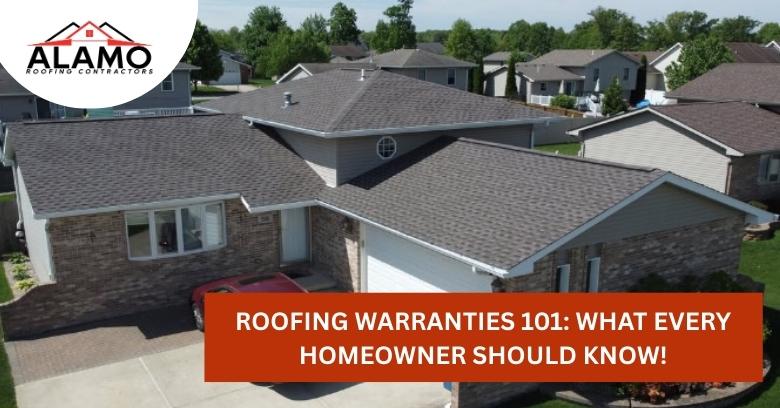
Roofing Warranties 101: What Every Homeowner Should Know!

Roofing Warranties 101: What Every Homeowner Should Know!

If you are a homeowner in places like Naperville Illinois, or South Bend and Valparaiso Indiana, you know that your roof is a major investment. A roof does more than just keep you dry - it protects your family, your possessions, and the value of your home. But what happens if that investment does not perform as expected? Enter the world of roofing warranties, a sometimes confusing, often overlooked aspect of roofing that can make all the difference between peace of mind and unexpected expenses.

It is easy to get lost in the jargon of warranties, coverage terms, and industry-specific language used by roofers and roofing companies. Many homeowners assume that every warranty offers the same level of protection, but the truth is that not all roofing warranties are created equal. Some provide long-term coverage that can last for decades, while others may have limitations buried in the fine print. Understanding what your warranty actually covers and what it does not is just as important as choosing the right shingles or roofing style.

This article aims to strip away the confusion and help you make informed decisions about your home's most important protective layer. Whether you are replacing an aging roof, building a new home, or simply want to understand the warranties you already have, we will guide you through the essentials, explore the warranties typically offered by roofing companies in Naperville, Valparaiso, and South Bend, examine their pros and cons, share real-world examples, and provide actionable advice. So grab a cup of coffee, settle in, and let's dig deep into Roofing Warranties 101 because your peace of mind starts from the top down.

The Different Types of Roofing Warranties

Today's roofing industry has evolved, and with it, the types of warranties roofers offer have grown more complex. As competitive as the market has become in places like Valparaiso, more companies are offering extended or even lifetime warranties to win your business. But bigger is not always better and a long warranty is not always the most comprehensive. Knowing the difference between various types of warranties, what is required to keep each valid, and the process for making a claim are all essential for maintaining your roof—and your investment.

1. Manufacturer's Warranties

Across Naperville, South Bend, and Valparaiso, one of the most common warranties offered by roofing companies is the manufacturer's warranty. This type of warranty covers defects in the roofing materials themselves. For example, if you purchased high-quality shingles from a leading manufacturer and those shingles start to warp, crack, or otherwise fail under normal conditions, the manufacturer's warranty is the primary recourse for resolution.

These warranties can range widely - some are limited to 10 or 20 years, while others promote 30-year or even lifetime coverage. However, the scope of these warranties is often limited to the materials and does not cover improper installation or issues arising from poor workmanship. That is an important distinction: even if you hire the best roofers in Naperville, if their installation work does not meet the manufacturer's standards, your warranty claim could be denied.

2. Workmanship Warranties

The other major warranty category is the workmanship or labor warranty, which is offered by the roofing company or contractor who installs your roof. This warranty covers any errors or issues resulting from the installation process. Workmanship warranties can be as short as one year or extend up to 10 or even 25 years, depending on the roofing company and their confidence in the skills of their roofers.

In South Bend, for instance, a respected roofer might offer a 10-year workmanship warranty to distinguish themselves from competitors who only give one year of labor coverage. Typically, these warranties cover roof leaks, installation flaws, and other issues that arise due to the roof's construction, provided the problem is not related to the roofing materials themselves.

Be sure to check who will be responsible for any necessary repairs. Some companies outsource their labor, which could complicate the process if you find an issue years after the initial installation.

3. System or Extended Warranties

More recently, some roofing companies in Naperville, Valparaiso, and South Bend have begun offering "system warranties" or extended warranties. These are often marketed as "lifetime" or "comprehensive" warranties and typically cover both material defects and installation errors, subject to certain conditions.

These warranties typically require the use of a "certified" or "approved" contractor, which is usually one that the manufacturer has vetted and trained. The warranty may also insist that your entire roofing system (shingles, underlayment, ventilation, and flashing) is sourced from a single manufacturer, creating a system approach. While this can maximize compatibility and performance, it can also lock you into more expensive material purchases.

What Is Not Covered By Most Roofing Warranties?

It is essential to understand what roofing warranties do not cover. Most will not protect you against damage from natural disasters (like tornadoes or hail, common in Indiana and Illinois), normal aging, neglect, or lack of maintenance. Improper repairs by unauthorized roofers can also void warranties. Each policy is different, so always read the fine print before signing any agreement.

Common exclusions include:

  • Wind speeds above a certain threshold
  • Damage from standing water or ice dams
  • Problems arising from structural issues with your home, like settling or movement
  • Animal damage
  • "Acts of God" or severe weather events

Comparing Local Roofing Companies and Their Warranties

As you shop for roofing services in South Bend, Naperville, or Valparaiso, you willnotice that not every roofing company offers the same warranty standards. Some may promise a long material warranty but only a brief labor guarantee. Others might bundle both types into one comprehensive package. The variation is enormous even within the same town. Some roofing companies may market 20-year comprehensive warranties, which actually include a 10-year workmanship guarantee and 20 years on materials, with more extensive coverage requiring additional fees. Other contractors might only provide a one-year labor warranty but rely on manufacturer warranties for all other aspects. 

When evaluating roofing companies, do not just compare upfront costs; ask detailed questions about the specifics of every warranty offered. It is a key differentiator in an industry where local reputation and customer satisfaction are everything.

The Fine Print: Transferability and Warranty Requirements

A commonly overlooked aspect of roofing warranties is transferability. Many homeowners in Naperville or Valparaiso move within 5–10 years of a new roof installation. Will your warranty transfer to the next owner? Some warranties are fully transferable (usually only once), while others become void when the house changes hands.

Additionally, be aware of maintenance requirements. Most warranties require homeowners to perform regular inspections and basic upkeep to remain valid. This means keeping gutters clear, replacing missing shingles promptly, and scheduling professional inspections every few years. Neglect these steps, and you risk voiding even the best warranty.

Warranty Questions to Ask Your Roofer Before Signing

Arming yourself with the right questions can help you make the most informed decision. Here is what you should always ask before signing any contract:

  • What type of warranties do you offer, and what exactly is covered?
  • Are there any exclusions or limitations, and where are they stated?
  • What is the claim process, and how quickly do you respond to claims?
  • Is the warranty transferable to a new homeowner?
  • Can I choose my roofer for repairs, or am I limited to specific contractors?
  • What maintenance is required to keep the warranty valid?
  • Who covers labor versus materials?

By getting clear, direct answers from your roofing company, you will be in a much stronger position when it matters most.

How Roofers Build Trust Through Warranties

Roofers and roofing companies across places like South Bend, Valparaiso, and Naperville understand that strong warranties are about more than just paperwork. They are powerful marketing tools and critical levers for customer loyalty. A trustworthy roofer will be transparent about all terms, honor commitments, and provide detailed documentation upfront. Poor-quality contractors, on the other hand, may use vague or misleading warranty language to avoid responsibility.

This makes it essential to check reviews, verify credentials, and request written warranty documents before making a purchase. Recommendations from neighbors or friends in your city can be worth their weight in gold.

Tips for Getting the Most From Your Roofing Warranty

  • Register your warranty immediately: Many manufacturers require online registration, which secures your rights under their policy.
  • Attend to maintenance: Regularly inspect and maintain your roof to avoid claims being denied due to neglect.
  • Document everything: Save all receipts, inspection reports, and repair invoices.
  • Understand claim procedures: Know who to call and how to submit a claim before an emergency occurs.
  • Choose certified installers: Working with properly credentialed roofers can make the difference between an honored and denied warranty claim.

Conclusion

Choosing the right roofing warranty is not just about ticking a box during installation; it is a critical decision that impacts your finances, home value, and peace of mind for years to come. Whether you are working with roofers in Naperville, South Bend, or Valparaiso, understanding the ins and outs of material and workmanship warranties empowers you to protect your investment from costly surprises.

Do not just settle for industry jargon or the first offer that comes your way. Take the time to read through every clause and ask your roofing company to explain terms in plain English. Pay close attention to coverage limits, exclusions, transferability, and maintenance obligations. By being proactive, you making sure that your roof and your wallet are safe in the storm.

If you are unsure about your current coverage or are planning a new roofing project, reach out to local roofers and reliable roofing companies in your area for a consultation. Get everything in writing, keep your paperwork organized, and stay diligent about regular maintenance. Your roof is your home's first line of defense so that your warranty provides the security you deserve.

Ready to take the next step? Schedule a roof inspection and review your current documents with a trusted local roofer today. Protect your home, your investment, and your peace of mind from the top down!


Key Takeaways

  • Understand each type of warranty: Manufacturer's warranties cover material defects, while workmanship warranties focus on labor and installation issues. Some companies offer hybrid system warranties for more comprehensive protection.
  • Carefully read the fine print: Coverage exclusions, claim procedures, and transfer rules are often buried in the fine print. Take the time to read and understand all documents before signing.
  • Do not assume longer is always better: A "lifetime warranty" may sound impressive, but its true value depends on covered items, exclusions, and required maintenance.
  • Maintain thorough documentation: Keep all paperwork, receipts, inspection reports, and photos. This documentation is vital if you ever need to make a claim.
  • Perform regular roof maintenance: Most warranties require proof of ongoing care—cleaning gutters, fixing minor repairs, and scheduling professional inspections help maintain compliance.
  • Check transferability if selling your home: Some warranties transfer to new owners, while others do not. If you plan to sell your house, clarify this in advance so that you receive the full home value.
  • Always work with respected, certified contractors: Roofers certified by leading manufacturers can offer enhanced warranties and are more likely to uphold quality standards.
  • Ask detailed questions before signing: Get specifics about coverage, exclusions, and claims upfront, do not leave anything to assumptions or verbal promises.
  • Register new warranties immediately: Many manufacturer warranties only kick in after proper registration. Do not let this simple step invalidate your coverage.
  • Follow up on claims promptly: Familiarize yourself with the exact process for filing a claim. Promptly report issues, document them thoroughly, and follow up until your claim is resolved.

FAQs

1. What is a roofing warranty, and why do I need one?
A roofing warranty is a written guarantee from the manufacturer or installer that covers specific types of defects or issues within an outlined time frame. It protects homeowners in Naperville, South Bend, and Valparaiso from unexpected repair costs resulting from material or workmanship issues.

2. What is the difference between a manufacturer's warranty and a workmanship warranty?
A manufacturer's warranty covers defects in the roofing materials, while roofing companies or roofers provide a workmanship warranty that covers problems caused by improper installation or labor.

3. Do all roofing companies in Naperville Illinois and South Bend Indiana provide the same warranty?
No, warranty terms vary widely between roofing companies in Naperville, South Bend, and Valparaiso. Always ask for written documentation and review the specifics with your roofer.

4. Is my warranty still valid if I make repairs myself?
Generally, self-performed repairs or work by unauthorized roofers can void your roofing warranty. Always contact your original roofing company or a certified professional for repairs.

5. Will my warranty cover damage from storms or hail?
Most standard roofing warranties exclude damage from severe weather events, such as hail, high winds, and tornadoes, which are common in Illinois and Indiana. Such events may be covered by homeowner's insurance instead.

6. How do I transfer a roofing warranty when selling my house?
Some warranties are transferable, often only once, if you notify the manufacturer and provide the necessary documentation within a specific time frame. Ask your roofer or warranty issuer for the exact process.

7. What voids a roofing warranty?
Common reasons include improper installation, unauthorized repairs, neglect or lack of maintenance, and the use of materials not specified in the warranty.

8. How do I file a warranty claim?
Contact your roofing company or manufacturer directly. Provide detailed records, proof of purchase, maintenance history, and photos of the issue. Ask your roofer about their specific process for claims.

9. Who should I call first if I notice a problem with my roof?
Begin with the company that installed your roof. If a manufacturer's warranty is involved, your roofer will guide you or provide contact information for the manufacturer to assist you.

10. Are extended or lifetime warranties worth the cost?
They can be valuable, especially when backed by respected roofing companies and certified materials. Review actual coverage terms, required maintenance, and any hidden fees or exclusions before deciding.

Why Timely Roof Leak Repair is Crucial for Protecting Your Home!

Why Timely Roof Leak Repair is Crucial for Protecting Your Home!

As a homeowner, it is easy to overlook small issues, especially when they seem minor at first; however, when it comes to roof leaks, delaying repairs can quickly lead to serious consequences. Roof repairs are often seen as a task you can put off until later, but waiting too long can result in extensive damage, increased repair costs, and a host of other problems. Homeowners in South Bend, Hammond, and Naperville should understand why timely roof leak repairs are essential to maintaining the safety, value, and comfort of their homes.

In this blog, we will explore the importance of addressing roof leaks promptly, the risks of ignoring them, the benefits of timely repairs, and how to choose the right roofing company for the job. If you want to protect your home from further damage, read on to learn why roofing services to repair a leak should be a priority. The goal is not only to prevent further harm but to save you money, time, and the hassle of having to deal with extensive damage later on.

Understanding Roof Leaks

Roof leaks are one of the most common issues homeowners face, but many do not fully understand what causes them or how to identify them early on. Roof leaks typically develop due to a combination of factors, including poor maintenance, age, and exposure to harsh weather conditions. Over time, wear and tear can cause shingles or roofing materials to deteriorate, leading to vulnerabilities where water can infiltrate your home.

In regions like South Bend, Hammond, and Naperville, the weather plays a significant role in roof deterioration. Heavy rains, snow, and ice can weaken roofing materials, leading to small cracks and gaps that gradually grow larger. When these issues are ignored, they allow water to seep in, often without being noticed until significant damage has already occurred.

For example, harsh winters in the Midwest can cause freeze-thaw cycles, where ice and water penetrate under shingles and freeze, loosening roofing materials and creating gaps. Over time, this repeated freeze-thaw cycle can turn small leaks into much bigger problems. In such areas, homeowners need to stay vigilant about roof maintenance and repairs.

Common signs of a roof leak include water stains on your ceilings or walls, dampness in your attic, or visible mold growth. If you notice any of these signs, it is important to take action right away. The longer you wait to address a roof leak, the more likely you will face more severe issues. A timely roof leak repair is a proactive step that can save you money and stress later.

Risks of Delaying Roof Leak Repairs

Ignoring a roof leak may seem like an easy solution, but this decision can lead to substantial consequences. The longer you wait to fix the problem, the more damage it can cause, resulting in higher repair costs and even potential health hazards. Let's take a closer look at the risks of delaying roof leak repairs:

1. Structural Damage

Water entering your home through a roof leak can wreak havoc on your home's structural integrity. As water seeps through the roof, it can weaken the beams, trusses, and insulation that support the entire structure. Over time, this can lead to sagging, rotting wood, and even the collapse of parts of your roof or ceiling. This kind of damage can be extremely costly to repair and in some cases, may require significant structural repairs or a full roof replacement.

If repairs are delayed, a leak in the roof can compromise its integrity, as well as the framing of your home. Wooden beams, trusses, and even the structure of your attic could suffer irreparable damage, which would require costly repairs or replacements that could easily have been avoided with early intervention.

2. Mold and Mildew Growth

One of the most dangerous risks of neglecting roof leak repairs is the potential for mold and mildew growth. When water is allowed to penetrate your home, it creates a humid environment where mold and mildew thrive. This can lead to serious health problems, especially for individuals with allergies or respiratory issues. Mold can spread quickly and be difficult to remove, leading to ongoing health hazards and costly remediation efforts. Preventing mold growth starts with promptly addressing the roof leak.

Mold growth is a particularly pressing issue in the damp conditions that often accompany roof leaks. In humid regions like Naperville which experiences heavy rainfall, roofs are at a higher risk of developing leaks that result in prolonged moisture exposure. This encourages mold growth, which can ruin the aesthetic and structural integrity of your home. Mold and mildew can also spread quickly and be more difficult and expensive to remove if left for too long.

3. Increased Repair Costs

Small roof leaks may seem insignificant at first, but if left unattended, they can escalate into major issues that require costly repairs. What may have started as a small crack in a shingle or a minor leak in the attic can quickly develop into widespread water damage that affects your ceilings, walls, and insulation. The longer you wait to fix a leak, the more extensive the damage will become, and the higher the cost of repairs will be. By addressing roof leak repairs early, you can avoid the need for more expensive fixes down the road.

If a roof leak is left alone for too long, you may need to replace major sections of your roof, which is much more expensive than simply fixing a minor issue. The cost to repair a leak increases dramatically as the problem spreads to other parts of your home. By addressing roof leak repairs quickly, you save yourself the hassle and financial burden of more expensive renovations later.

4. Energy Efficiency Impact

Another consequence of delaying roof leak repairs is the impact on your home's energy efficiency. When water seeps into your roof, it can compromise your insulation, causing it to lose its effectiveness. This means your home will have to work harder to maintain a comfortable temperature, leading to higher heating and cooling costs. Timely roof leak repairs can help preserve your home's insulation, improve energy efficiency, and save you money on your utility bills.

When your insulation becomes saturated with water from a roof leak, it can no longer do its job effectively. This leads to air leaks and a less energy-efficient home, which means your HVAC system must work overtime to keep your home at a comfortable temperature. Fixing the roof leak helps keep your insulation intact and improves your home's overall energy efficiency. This not only saves you money on energy bills but also ensures that your home remains comfortable year-round.

Benefits of Timely Roof Leak Repair

Taking action quickly when you notice a roof leak can have significant long-term benefits. By addressing the issue early, you not only prevent further damage but also protect your home from a variety of problems. Let's look at the key benefits of timely roof leak repair:

1. Preventing Further Damage

When a roof leak is left unaddressed, it can quickly escalate into more severe issues. Water damage can spread to other parts of your home, affecting ceilings, walls, floors, and furniture. By fixing the leak as soon as you notice it, you can prevent further damage and protect your belongings from the destructive effects of water intrusion. This proactive approach can save you money in the long run by reducing the need for costly repairs.

Additionally, roof leaks can affect the foundation of your home if they are left to worsen. As water seeps deeper into your home's structure, it can create conditions that weaken the foundation and walls. Catching leaks early allows you to prevent this type of damage from taking root, saving you thousands of dollars on future repairs.

2. Maintaining Property Value

A well-maintained roof is a key factor in preserving the value of your home. Timely roof leak repairs help ensure that your roof remains in good condition, preventing damage that could negatively impact your home's curb appeal and resale value. If you plan to sell your home in the future, having a roof that is in excellent condition will make it more attractive to potential buyers, potentially increasing your asking price and speeding up the sale process.

Potential buyers often view homes with leaks or significant damage to the roof as liabilities. If a roof repair is needed but has not been done, it may even discourage buyers from pursuing a property. By fixing roof leaks promptly, you preserve your home's market value and avoid having to negotiate on price due to roof concerns.

3. Energy Savings

As mentioned earlier, roof leaks can compromise your home's insulation, leading to higher energy bills. Fixing roof leaks promptly helps maintain the integrity of your insulation, which can improve your home's energy efficiency. This means your HVAC system will not have to work as hard to maintain a comfortable temperature, saving you money on heating and cooling costs. In the long run, addressing roof leaks in a timely manner can contribute to significant energy savings.

An energy-efficient home saves you money. Roof leak repairs help avoid drafts and other issues caused by compromised roofing materials, keeping your home insulated and reducing heating and cooling costs. With utility prices on the rise, making your home energy-efficient through quick roof repairs is a great long-term investment.

4. Peace of Mind

Finally, addressing roof leaks as soon as they are detected provides homeowners with peace of mind. When you know that your roof is secure and free from leaks, you do not have to worry about the potential risks of water damage, mold, or structural issues. A small investment in timely roof leak repairs can go a long way in making sure your home remains a safe and comfortable place to live.

When you can confidently say your roof is free from leaks, you can relieve a significant amount of stress. Knowing that your home is protected from the elements gives you one less thing to worry about and ensures the safety of your family.

How to Choose the Right Roofing Company for Leak Repair

When you need roof leak repairs, it is essential to hire a trusted and experienced roofing company. The right roofing company can make all the difference in ensuring that your roof is properly repaired and that the issue does not return. Here are some tips for choosing the right roofing company for the job:

  1. Look for Experience: A roofing service with years of experience in the roofing industry will have the knowledge and skills necessary to handle all types of roof leak repairs.
  2. Check for Licenses and Insurance: Be sure that the roofing company is licensed and insured. This protects you in case of any accidents or damage that may occur during the repair process.
  3. Read Customer Reviews: Take the time to read reviews and testimonials from past customers to get a sense of the company's reputation and quality of work.
  4. Get Multiple Estimates: Before hiring a roofing company, get several estimates to ensure you are getting a fair price for the repairs. Compare the scope of work and the materials offered to make an informed decision.
  5. Ask About Warranty: A reliable roofing company should offer a warranty on their work, providing added assurance that the repairs will last.

Common Myths About Roof Leak Repairs

There are several myths surrounding roof leak repairs that can lead homeowners to make poor decisions. Let's debunk some of the most common misconceptions:

  • Myth 1 - A Small Leak Won't Cause Much Damage: It is easy to dismiss a small roof leak as a minor issue, but even the smallest leaks can lead to serious damage if left untreated. Water can spread quickly through your home, causing significant structural damage and mold growth. Do not wait until the problem worsens - address the leak as soon as possible.
  • Myth 2 - You Can Wait Until the Next Season to Fix the Leak: While you may be tempted to put off roof repairs until the next season, this is never a good idea. Roof leaks can worsen quickly, especially during harsh weather conditions. Delaying repair services can result in more damage and higher repair costs.
  • Myth 3 - All Roof Leaks Are the Same and Can Be Handled the Same Way: Each roof leak is unique and requires a tailored approach. The cause of the leak, the type of roofing materials, and the extent of the damage are all factors in the repair process. Hire a professional roofing company so that the leak is properly diagnosed and repaired.

Conclusion

Timely roof leak repairs are essential for protecting your home from water damage, mold growth, and structural issues. By addressing roof leaks as soon as they are detected, you can prevent further damage, maintain the value of your home, and save money on repairs in the long run. Homeowners in South Bend, Hammond, and Naperville should work with trusted roofing companies to ensure their roofs are in excellent condition. Do not wait - schedule roof repair services today to keep your home safe and secure for years to come!


Key Takeaways

  • Timely Roof Leak Repairs Are Essential: Addressing roof leaks promptly is crucial to prevent severe damage to your home's structure, insulation, and overall integrity. Delaying repairs can lead to increased repair costs and potential safety hazards.
  • Delaying Repairs Can Cause Extensive Damage: Ignoring a roof leak can result in significant structural damage, mold and mildew growth, and compromised insulation, all of which can be costly to repair.
  • Early Repairs Save Money: Fixing a small leak early prevents it from escalating into a larger issue, saving you money in the long run by avoiding costly, extensive repairs.
  • Boost Energy Efficiency: Timely roof leak repairs help maintain the integrity of your home's insulation, which contributes to better energy efficiency and lower utility costs.
  • Preserve Property Value: A well-maintained roof protects the value of your home and improves its curb appeal, which is crucial if you plan to sell in the future.
  • Choose the Right Roofing Company: Selecting an experienced, licensed, and insured roofing company ensures that your roof leak repairs are handled professionally and efficiently.
  • Stay Proactive to Prevent Mold Growth: Mold and mildew can quickly develop in damp environments caused by roof leaks, leading to serious health issues and costly remediation.

FAQs

1. Why is timely roof leak repair important?
Timely roof leak repair is crucial to prevent further damage to your home's structure, insulation, and ceilings. It helps avoid costly repairs, mold growth, and loss of property value. Addressing leaks promptly protects your home from more serious damage that could escalate if ignored.

2. What are the signs of a roof leak?
Signs of a roof leak include water stains on the ceiling or walls, dampness or mold in the attic, musty odors, and visible damage to roofing materials like missing shingles or cracks. If you notice any of these signs, it is important to have your roof inspected by a professional immediately.

3. How much does roof leak repair cost?
The cost of roof leak repair varies depending on the extent of the damage, the materials used, and your location. Generally, minor repairs can cost between $150 and $500, while more extensive repairs or replacements can cost several thousand dollars. Getting multiple estimates from roofing companies can help you find the best price.

4. Can I repair a roof leak myself?
While homeowners can attempt some minor roof repairs, it is usually best to hire a professional roofing company for leak repairs. A trained expert can assess the damage, make sure the repair is done correctly, and prevent further damage to your home.

5. How long does a roof leak repair take?
The time it takes to repair a roof leak depends on the severity of the problem and the type of roofing material. Minor repairs may only take a few hours, while more extensive damage could take one or two days to fix. After inspecting the issue, a professional roofing contractor can give you a more accurate timeline.

6. Can a roof leak cause mold?
Yes, roof leaks can lead to mold and mildew growth, especially in areas like the attic or walls where water is allowed to sit for extended periods. Mold can be a health hazard and may require costly remediation, so timely roof leak repairs are essential to prevent mold growth.

7. How can I prevent roof leaks?
Regular roof maintenance and inspection for missing shingles, cracks, or debris can help prevent roof leaks. Ensuring your gutters are clear and functioning properly also helps prevent water buildup that can lead to leaks. It is advisable to have a professional roofing company inspect your roof every few years.

8. What happens if I ignore a roof leak?
Ignoring a roof leak can lead to significant structural damage, mold growth, and increased repair costs. Water infiltration weakens your roof and the structural elements of your home, and prolonged exposure to moisture can cause mold, which poses health risks and further damages your home.

9. How do I choose a roofing company for leak repair?
When choosing a roofing company, make sure they are licensed, insured, and experienced in roof leak repairs. Ask for references, read customer reviews, and get multiple estimates so that you get fair pricing and quality work. A reliable roofing company will provide a warranty on its work.

10. Will my homeowner's insurance cover roof leak repairs?
In many cases, homeowner's insurance will cover the cost of roof leak repairs if an unexpected event, such as a storm or fallen tree, causes the damage. Insurance usually will not cover repairs for leaks resulting from general wear and tear or lack of maintenance. It is important to check your policy and consult with your insurance provider to determine your coverage.

(219) 224-2636