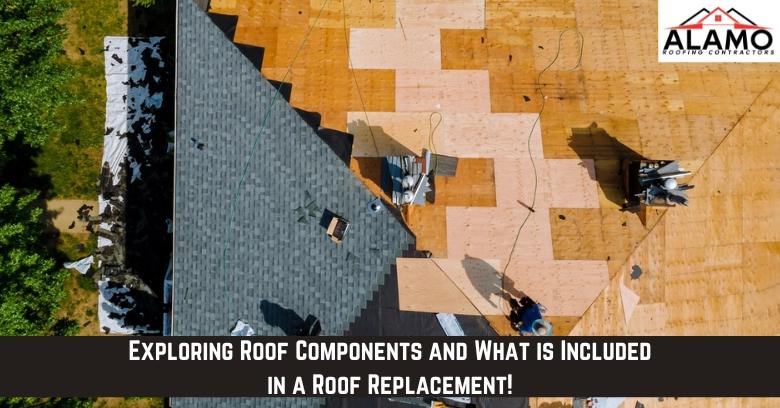
Exploring Roof Components and What is Included in a Roof Replacement!

Exploring Roof Components and What is Included in a Roof Replacement!

Replacing a roof is one of the most significant investments you will make as a homeowner. It not only enhances the curb appeal of your home but also ensures that your family and belongings are protected from the elements. Whether you have experienced storm damage, your roof is simply aging, or you are looking for a more durable material, understanding the various components involved in a roof replacement is essential for making well-informed decisions. Homeowners in Valparaiso, Hammond, and Naperville should know that a roof replacement involves more than just the shingles on top - each element of the roof plays a crucial role in its overall performance and longevity.

In this guide, we will examine what is included in a roof replacement, how each component contributes to your home's structural integrity, and why hiring a professional roofing contractor to handle the job is key so that your new roof lasts for years to come. Whether you are considering asphalt shingles, metal roofing, or any other material, this article will give you the information you need to understand your roof replacement from start to finish.

1. Roof Decking or Sheathing

The roof decking, also known as the sheathing, is the foundational structure that supports all other components of your roof. Made from materials such as plywood or oriented strand board (OSB), the decking provides the surface on which the underlayment, shingles, and other materials are laid. It is typically installed across the roof's trusses and plays an integral role in ensuring the roof's stability and strength.

During a roofing replacement, contractors will carefully inspect the condition of the decking. If the decking is warped, cracked, or rotting, it will need to be replaced. This is essential so that the new roofing materials adhere properly and that the roof does not develop any structural weaknesses. In areas like Valparaiso, Hammond, and Naperville where harsh winters and heavy snow can cause stress on a roof, high-quality decking is essential for preventing sagging or collapsing under the weight of snow or ice.

2. Underlayment - The Hidden Protector

Underlayment is often one of the most underrated yet crucial components in a roof replacement. Positioned directly above the roof decking, underlayment serves as a secondary layer of defense against water penetration. This is especially important in areas with heavy rainfall or snow, where water can seep under shingles and into the roof structure if not properly managed.

There are two primary types of underlayment installed by residential roof services: felt and synthetic. Traditional felt underlayment is made from asphalt-saturated material, while synthetic underlayment offers superior durability and moisture resistance. The latter is growing in popularity for its longer lifespan and better performance under extreme weather conditions. During a roof replacement, the quality of underlayment used is just as important as the shingles or tiles. An underlayment with high water resistance and tear strength can significantly improve the overall performance of the roof.

By investing in high-quality underlayment, you can extend the life of your roof, prevent leaks, and reduce the risk of mold and water damage. Homeowners in Valparaiso, Hammond, and Naperville should prioritize quality underlayment during their roofing replacement project so that their roof can withstand the region's weather challenges.

3. Roof Shingles or other Materials - Aesthetic and Protection Combined

Shingles are the most visible part of your roof and also serve as its primary line of defense against the elements. There are various types of roofing shingles available, each offering distinct benefits in terms of durability, style, and cost. Asphalt shingles are the most common choice for residential roofing due to their affordability, ease of installation, and wide range of colors and styles; however, other materials like wood, slate, and metal are becoming increasingly popular, especially in homes where homeowners are looking for enhanced durability or a more unique aesthetic.

During the roof replacement process, it is essential to choose the right material for your home carefully. Asphalt shingles are effective at insulating the house, while metal roofing, though more expensive, can last significantly longer and offers excellent resistance to wind and fire. Homeowners in Valparaiso, Hammond, and Naperville may also want to consider the energy efficiency of their roofing material. Some shingles come with reflective coatings that help reduce energy costs by reflecting heat from the sun, making them an excellent choice for homes in areas that experience extreme temperatures.

Beyond functionality, shingles contribute to the overall look of a home. The right color and style can enhance your home's curb appeal, making your roof a key feature of the exterior design. Homeowners should work closely with residential roof services to choose materials that complement their home's architecture while also offering the durability and protection needed for the region's weather.

  • Starter Shingles - The Essential First Layer: Starter shingles are a critical component in a roofing replacement, though they are often overlooked. These shingles are specially designed to be installed along the eaves of your roof, providing a secure foundation for the first row of regular shingles. Starter shingles help prevent wind uplift by securing the edges of the shingles, reducing the risk of them being blown off during storms. They also create a tight seal along the roofline, preventing water from seeping underneath the shingles and causing leaks. Including starter shingles in your roof replacement ensures better overall performance and enhanced protection against the elements.

4. Flashing - Preventing Leaks and Water Damage

Flashing is a vital component of any roof replacement project. It is installed around vulnerable areas like chimneys, vents, skylights, and roof valleys to prevent water from seeping through the roof and causing leaks. Flashing is typically made from durable materials such as aluminum, copper, or galvanized steel. These metals are resistant to corrosion and can withstand the stresses of extreme weather conditions.

When replacing your roof, flashing should be carefully inspected and replaced if necessary. Old or damaged flashing can lead to water infiltration, which can cause significant damage to the underlying structure and insulation. It is essential so that the flashing is installed correctly and securely to provide lasting protection. Professional residential roof services make sure that the flashing is properly integrated into the roofing system, providing an extra layer of security and preventing potential future problems.

5. Ventilation - Having Long-Term Roof Health

Ventilation is another crucial factor in a successful roof replacement. Proper attic ventilation helps to regulate temperature and moisture levels in the attic space. Without adequate ventilation, hot air and moisture can become trapped in the attic, leading to problems such as mold, wood rot, and premature deterioration of roofing materials. This can be especially problematic in areas like Valparaiso, Hammond, and Naperville, where temperature fluctuations between seasons can put additional strain on roofing materials.

Various roof ventilation systems exist, such as ridge vents, gable vents, soffit vents, and box vents. Ridge vents are installed along the peak of the roof to allow hot air to escape, while soffit vents at the roof's eaves allow cooler air to flow in. Gable vents are positioned at the ends of roof gables to facilitate air intake, and box vents promote heat escape through the roof surface. Together, these ventilation systems create a balanced airflow that helps maintain an even temperature and moisture level in the attic, reducing the risk of damage to the roof.

When performing a roofing replacement, it is essential to make sure that the ventilation system is functioning properly. Inadequate ventilation can lead to trapped heat, which can cause roofing materials to degrade more quickly. In addition, poor ventilation can lead to moisture buildup in the attic, increasing the risk of mold and mildew growth.

6. Ridge Caps and Roof Trim - Final Touches for Protection and Style

Ridge caps and roof trim serve both functional and aesthetic purposes when replacing a roof. Ridge caps are installed along the roof's peak, where two slopes meet, to prevent water from infiltrating these vulnerable areas. Ridge caps are especially important in areas with heavy rain or snow, as water can easily slip through unsealed joints and cause leaks.

On the other hand, roof trim is installed along the edges of the roof and provides a finished look to the roofline. It helps protect the edges of the roof from water and debris, so that the roofing materials stay securely in place. Both ridge caps and trim contribute to the overall appearance of your home's exterior, adding a polished, cohesive look to your roof.

7. Gutter Systems - Protecting Your Home's Foundation

The gutter system is one of the most important yet often overlooked components of a roofing replacement. Gutters channel rainwater off the roof and away from the house's foundation. Without a properly functioning gutter system, water can accumulate around the foundation, leading to erosion, mold growth, and even structural damage.

When replacing your roof, it is a good time to assess your gutters and consider upgrading them if necessary. Gutters come in a range of materials, such as aluminum, copper, and steel, and can be customized to match the aesthetic of your home. A high-quality gutter system will direct water away from the house, helping protect the foundation and prevent costly damage over time.

8. Roof Insulation - A Key to Energy Efficiency

Roof insulation is an essential aspect of your roof replacement that directly impacts your home's energy efficiency. Insulation helps prevent heat from escaping in the winter and keeps your home cooler during the summer months. This not only improves comfort levels but also reduces energy costs over time.

Several types of insulation are used in roofing, including fiberglass batt insulation, spray foam insulation, and rigid foam boards. Each type offers different benefits depending on your home's needs. For example, spray foam insulation provides an excellent air seal and can improve both insulation and ventilation, while fiberglass batt insulation is a cost-effective option that offers decent thermal resistance.

During your roofing replacement, it is important to be certain that your roof insulation is adequate for your home's size and the local climate. Adding or upgrading insulation can improve your home's energy efficiency and reduce the strain on your heating and cooling systems.

Professional Roof Installation Process

A successful roof replacement requires more than just quality materials - it also depends on the expertise of the roofing contractor. Hiring a professional roofing contractor makes sure that all components of the roof are properly installed, from the decking to the shingles and flashing. Experienced contractors will also be sure that your roof is installed in compliance with local building codes and that all manufacturer warranties are honored.

The roof replacement process typically begins with an inspection of the existing roof, followed by the removal of old materials. Next, the decking, underlayment, and flashing are installed before the shingles or other roofing materials are applied. Ventilation systems are also installed at this stage, followed by ridge caps and trim. Finally, depending on the scope of the project, gutters and insulation may be addressed.

Common Mistakes to Avoid During a Roof Replacement

While a roof replacement offers many benefits, homeowners should avoid several common mistakes to ensure a successful project. Some of these mistakes include choosing low-quality materials, neglecting ventilation, and hiring inexperienced contractors. By avoiding these pitfalls, homeowners can save money in the long run and ensure that their roof performs optimally for many years.

Conclusion

A roof replacement is an important investment in the longevity and protection of your home. Understanding the key components involved in the process will help you make informed decisions so that your new roof provides the best possible protection. By hiring professional residential roof services and selecting high-quality materials, you can rest assured that your roof replacement will be a success. If you are ready to begin your roof replacement project in Valparaiso, Hammond, or Naperville, contact a local roofing service for expert advice and services!


Key Takeaways

  • Comprehensive Roof Components: A roof replacement involves much more than just replacing the shingles. Key components include decking, underlayment, flashing, ventilation, and ridge caps, all of which work together to protect your home from the elements and ensure long-term durability.
  • Quality Materials Matter: From the decking to the shingles and underlayment, choosing high-quality materials is crucial for the performance and lifespan of your roof. Materials like synthetic underlayment and durable flashing provide enhanced protection, especially in areas prone to harsh weather, like Valparaiso, Hammond, and Naperville.
  • Professional Installation is Key: Proper installation is just as important as the materials used in your roofing replacement. Hiring an experienced roofing contractor makes certain that all components are installed correctly, adhering to local building codes and manufacturer warranties.
  • Energy Efficiency: Roof insulation and proper ventilation are essential for maintaining energy efficiency in your home. These components help regulate temperature, reduce energy costs, and protect your roof from damage caused by trapped moisture or heat.
  • Gutters and Trim: Remember the importance of a functional gutter system and roof trim. These elements not only contribute to the aesthetic appeal of your roof but also protect your home's foundation from water damage.
  • Starter Shingles: Starter shingles provide an essential first layer of protection along the eaves of the roof, preventing wind uplift so that your shingles stay secure and waterproof.
  • Long-Term Protection: A roof replacement is an investment in your home's future. By choosing the right materials and experienced professional installation, you will protect your home from water damage, improve its curb appeal, and enhance its energy efficiency for years to come.

FAQs

1. What is included in a roof replacement?
A roof replacement involves removing the old roofing materials and installing new components, including decking or sheathing, underlayment, shingles, flashing, ridge caps, gutters, and insulation. Each part plays a role that contributes to the roof's longevity and performance.

2. How long does a roof replacement take?
Depending on the size and complexity of the project, an average of one to three days can be required. Weather conditions and the roofing material chosen can also impact the timeline.

3. What is the difference between roof decking and underlayment?
Roof decking or sheathing provides the foundation for all other roofing layers. It is typically made from plywood or OSB. Underlayment is a waterproof layer installed above the decking, providing an extra layer of protection against water infiltration.

4. Are starter shingles necessary?
Yes, starter shingles are essential to make certain the first row of shingles is secure and protected from wind uplift. They create a tight seal along the eaves and prevent water from getting underneath the shingles.

5. How do I choose the best roofing material for my home?
When choosing roofing material, consider factors such as durability, aesthetics, energy efficiency, and local weather conditions. Asphalt shingles are popular due to affordability and ease of installation, but metal, wood, or slate can be more durable options for certain homes.

6. How does roof ventilation affect my roof's performance?
Proper roof ventilation helps regulate temperature and moisture levels in your attic. Without adequate ventilation, excess heat and moisture can damage the roof structure, leading to mold, rot, and premature roof deterioration.

7. What role does flashing play in my roof replacement?
Flashing is installed around vulnerable areas like chimneys, vents, and roof valleys to prevent water infiltration. It is a crucial part of the roof that protects against leaks and water damage in high-risk areas.

8. Can I replace my roof myself, or should I hire a professional?
While some homeowners may attempt a DIY roof replacement, it is generally not recommended. Roofing replacement requires expertise to ensure proper installation and avoid costly mistakes. Hiring a professional ensures the job is done right and complies with local building codes.

9. How often should I replace my roof?
The lifespan of a roof varies depending on the material used. Asphalt shingles typically last 20 to 30 years, while metal roofs can last 40 to 70 years. Regular inspections and maintenance can help extend the life of your roof and prevent the need for early replacement.

10. Are roof replacements covered by insurance?
Homeowners' insurance may cover roof replacements if the damage is due to a covered event, such as a storm. Wear and tear or age-related damage is generally not covered. It is important to review your policy and contact your insurance provider to understand your coverage.
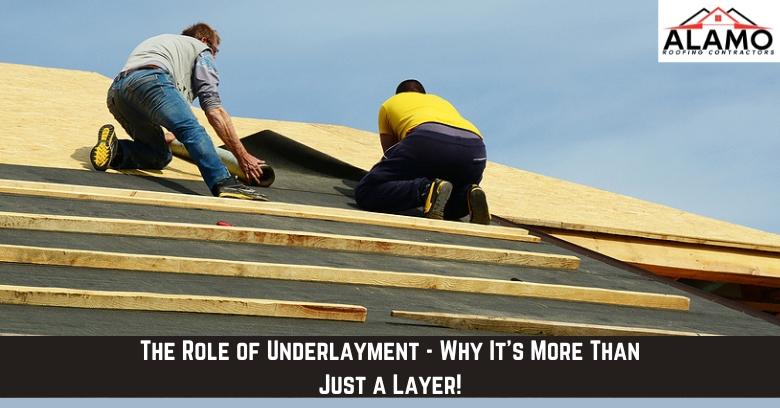
The Role of Underlayment – Why It Is More Than Just a Layer!

The Role of Underlayment – Why It Is More Than Just a Layer!

When most homeowners think about their roofing system, they often focus on the shingles, tiles, or metal panels that give the roof its final appearance.

Yet roofing underlayment is often overlooked as one of the most crucial components that significantly affects the efficiency and durability of a roof.

This layer is not visible once the roofing materials are installed but serves several vital functions that can affect the longevity of your roof and your home's overall protection.

Whether you are considering roofing installation in Naperville, Illinois, or roof replacement in South Bend, Indiana, understanding the essential role of underlayment is crucial.

This article explores roofing underlayment, its functions, and why homeowners must choose the right underlayment for their specific needs.

What Is Roofing Underlayment?

Roofing underlayment is a protective layer installed directly on top of the roof deck, just below the primary roofing material such as shingles, tiles, or metal panels.

While this layer is often invisible once the roofing installation is complete, it is a critical barrier against the elements.

It helps protect the roof deck from water infiltration and other environmental factors before the final roofing materials are applied.

Roofing underlayment has evolved over time from simple materials like felt to more modern, advanced options such as synthetic underlayment and rubberized asphalt.

The need for better durability, flexibility, and resistance to extreme weather conditions has driven the advancements in roofing underlayment materials.

The Critical Functions of Roofing Underlayment

Roofing underlayment is far more than just a supplementary addition beneath the shingles.

It plays several vital roles in the overall performance of a roof, including:

  • Moisture Barrier - One of the primary functions of roofing underlayment is to act as a moisture barrier. While shingles or other roofing materials may provide their own protection, they are not entirely impervious to water. In the event of a storm, heavy rainfall, or snow, roofing underlayment adds an extra layer of protection, preventing water from infiltrating the roof deck. This helps protect the structural integrity of the roof, preventing water damage, rot, and mold growth.
  • Additional Layer of Protection - Underlayment serves as a fail-safe. If shingles or other roofing materials become damaged due to extreme weather or wear over time, underlayment acts as a backup layer that protects the roof deck from the elements. This additional layer can help prevent leaks and prolong the life of the roofing system.
  • Enhanced Roof Longevity - Without proper protection, a roof deck can suffer from rot and decay, shortening the life of the roof. Roofing underlayment helps preserve the roof deck by preventing moisture buildup, ultimately extending the lifespan of your entire roofing system. It also helps reduce the likelihood of needing premature roof replacement.
  • Energy Efficiency - Roofing underlayment can also improve your home's energy efficiency. Depending on the material, underlayment may offer insulation properties, which help regulate the temperature inside your home. This can result in lower energy bills by improving the home's ability to maintain a consistent internal temperature throughout the year.

Types of Roofing Underlayment

Several types of roofing underlayment materials are available, each offering distinct advantages based on the climate, roof type, and budget considerations.

Here are the most common options:

  • Asphalt-Saturated Felt - This traditional material is made of fiberglass or organic felt saturated with asphalt for water resistance. It is versatile and easy to install, making it a reliable and affordable choice for many homeowners.
  • Non-Bitumen Synthetic Underlayment - Synthetic underlayment has gained popularity in recent years due to its superior durability compared to felt. Made from polyethylene or polypropylene, it is lightweight, tear-resistant, and provides excellent UV protection. It is also often more resistant to mold and mildew growth, making it an excellent choice for regions with high humidity.
  • Rubberized Asphalt Underlayment - Rubberized asphalt underlayment, typically considered a premium option, offers exceptional waterproofing capabilities. This material is made with a blend of asphalt and rubber polymers, making it highly resistant to water, even in areas with heavy rainfall or snow. It is often recommended for high-risk areas like valleys, eaves, and places where snow or ice dams are common.

How to Choose the Right Underlayment for Your Roof

Selecting the proper roofing underlayment is essential to be certain that your roof remains protected and durable.

These are some key factors to consider when making your decision:

1. Roof Type and Slope

Different types of roofs may require specific underlayment materials.

For instance, steep-slope roofs might benefit from synthetic underlayment, while low-slope roofs may require stronger, waterproof materials like rubberized asphalt.

Consider the style and slope of your roof when selecting underlayment.

2. Budget

While high-end underlayment materials like rubberized asphalt offer excellent protection, they can come with a higher price tag.

If you are working within a specific budget, you may need to balance your choice of underlayment with the overall cost of the roof replacement or roofing installation.

3. Climate and Weather Conditions

The local climate is crucial in determining the best underlayment for your home.

A more durable underlayment material may be necessary to protect the roof deck in areas with heavy rainfall, snow, or extreme temperatures.

For instance, homes in Naperville Illinois, which experience humid summers and snowy winters, may benefit from synthetic underlayment that is versatile and moisture-resistant.

Conversely, homeowners in South Bend Indiana, known for heavy lake-effect snow, might opt for rubberized asphalt underlayment for superior waterproofing.

Regional Considerations for Underlayment

The climate and weather patterns in specific regions, such as Naperville and South Bend, significantly influence the type of underlayment most suitable for your roofing installation.

Understanding local conditions can help you make an informed decision.

With humid summers and cold, snowy winters, Naperville residents should consider synthetic underlayment, which can withstand temperature fluctuations and moisture.

Similarly, homeowners in South Bend, known for its lake-effect snow, might prioritize waterproofing and choose rubberized asphalt underlayment to handle the heavy, persistent precipitation that is common in the area.

Conclusion

In conclusion, roofing underlayment is a crucial component that contributes to the longevity and effectiveness of your roof.

Whether you are undergoing roofing installation in Naperville Illinois or considering roof replacement in South Bend Indiana, understanding the importance of underlayment can help make the best decisions for your home.

The right underlayment protects your home from the elements and contributes to your roof's overall energy efficiency and durability.

Consult with local roofing professionals to select the appropriate underlayment so that that your roofing system stands the test of time.

Key Takeaways

  • Roofing Underlayment is Essential - Roofing underlayment is a crucial component of your roofing system that provides extra protection against moisture, extends the lifespan of your roof, and helps prevent leaks and water damage.
  • Different Types of Underlayment - The three main types of roofing underlayment are asphalt-saturated felt, non-bitumen synthetic, and rubberized asphalt. Each has unique benefits, such as durability, moisture resistance, and UV protection.
  • Protection Beyond Shingles - Underlayment acts as a secondary defense in case your primary roofing materials fail, adding an extra layer of security against the elements and preserving the roof deck.
  • Energy Efficiency - Some underlayment materials offer insulation properties, which can help regulate your home's temperature and reduce energy costs, making your home more energy-efficient.
  • Climate-Specific Considerations - The right underlayment depends on your region's climate. Areas with heavy rain or snow like South Bend Indiana may benefit from rubberized asphalt, while regions like Naperville Illinois might require synthetic underlayment for versatility.
  • Consult Local Experts - Always consult roofing professionals in your area to determine the best underlayment choice based on local weather conditions, roof type, and budget. Their expertise ensures your roof will be protected and last for years to come.

FAQs

1. What is roofing underlayment?

Roofing underlayment is a protective layer installed between the roof deck and the exterior roofing materials, such as tiles or shingles.

2. Why is roofing underlayment necessary?

Underlayment provides a secondary barrier against moisture infiltration and enhances the overall durability and longevity of the roofing system.

3. What is the best type of roofing underlayment?

There is not a one-size-fits-all answer. The choice depends on specific needs and climatic conditions. Synthetic underlayment is versatile and suited for varied climates.

4. How often should underlayment be replaced?

Underlayment is typically replaced during a major roof overhaul or as recommended by a roofing professional. It is usually replaced every 20 to 30 years, depending on the material and environmental conditions.

5. Can you replace roofing underlayment without replacing the shingles?

Typically, it is not practical to replace underlayment without removing and replacing shingles.

6. Are there regulations for roofing underlayment installations?

Certain regions have building codes that specify underlayment requirements, so checking local regulations is essential.

7. How does climate affect the choice of underlayment?

As an example, climate plays a significant role in regions with heavy snowfall and might benefit more from rubberized asphalt underlayment.

8. Is synthetic underlayment better than felt?

Synthetic underlayment is often preferred for its durability, tear resistance, and lightweight nature compared to felt.

9. What is a moisture barrier in roofing?

In the context of roofs, a moisture barrier or underlayment is a layer that prevents water infiltration to protect the structural integrity of the building.

10. Where can I find roofing services in Naperville or South Bend?

Seek local roofing companies that are experts in your region's climate conditions. They can offer tailored solutions for your roofing needs.

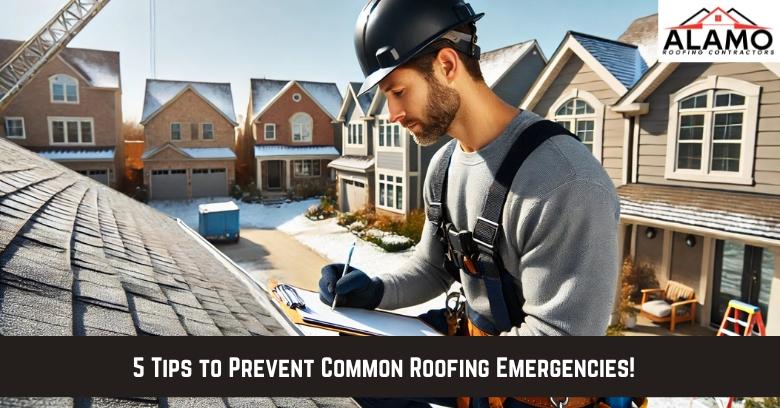
5 Tips to Prevent Common Roofing Emergencies!

5 Tips to Prevent Common Roofing Emergencies!

Roof maintenance is crucial for safeguarding your home, especially in unpredictable weather conditions like those in Naperville Illinois and South Bend Indiana.

Roofing emergencies can cause significant damage, leading to costly residential roofing repair or replacement.

Whether you are dealing with the harsh winters in Illinois or the fluctuating weather patterns in Indiana, understanding how to prevent roofing emergencies is essential.

This article provides five crucial tips from experienced roofing contractors designed to help you prevent common roofing mishaps.

By employing simple yet effective maintenance practices, you can extend the life of most roofs and enhance the safety and comfort of your home.

Tip 1: Regular Inspections

Routine roof inspections are the first line of defense against potential disasters.

Regular checks help you spot minor issues before they develop into major problems.

Roofing contractors recommend inspections for roofs at least twice yearly, ideally in spring and fall, in places like Naperville and South Bend.

This timing allows you to assess any damage inflicted during winter or summer and prepare your roof accordingly.

How to Conduct a Roofing Inspection:

  • Begin with a visual inspection from the ground. Look for missing shingles, debris build-up, or dark spots.
  • Climb onto the roof, but only if you can do it safely. Check for curling or blistering shingles and inspect the flashing around chimneys and vents for cracks or rust.
  • Schedule a professional inspection at least once yearly or after severe weather events.

Tip 2: Timely Maintenance and Residential Roofing Repair

Addressing minor roof issues as soon as they arise is crucial to maintaining the structural integrity of your home.

Minor problems, such as a leaking spot or a cracked shingle, may seem insignificant but can escalate into major emergencies and residential roofing repair if neglected.

Roof inspections by experienced local roofing contractors in Naperville and South Bend can help promptly identify and resolve these issues.

By choosing skilled professionals, you are investing in the long-term health of your roof and avoiding unnecessary stress.

Why Timely Maintenance Matters:

  • Proactively addresses wear and tear, extending the life of residential roofs.
  • Prevents minor issues from turning into expensive commercial or residential roofing repair or replacement.
  • Protects your home from water damage and energy inefficiencies caused by compromised roofing.

Tip 3: Clear the Gutters Regularly

Gutters are essential in directing water away from your home, but clogging can create significant roofing challenges.

Blockages lead to water pooling on the roof, potentially causing leaks, mold growth, or structural damage.

In regions like Naperville and South Bend where seasonal weather changes are common, roofing contractors advise that keeping gutters clean is essential for safeguarding your home.

Gutter Maintenance Tips:

  • Clean your gutters at least twice a year, especially after heavy leaf fall in autumn and during spring cleanups.
  • Install gutter guards to reduce the frequency of cleaning and minimize clogs caused by leaves and debris.
  • Inspect downspouts regularly to ensure proper water flow away from your foundation.

Tip 4: Trim Overhanging Branches

Overhanging tree branches might seem harmless, but they pose a significant risk to your roof's surface.

Branches can scrape the shingles on roofs, dislodge protective layers, or break during storms, leading to costly residential roofing repair.

Partnering with a professional arborist ensures safe tree maintenance that complies with local regulations and protects both your home and the trees.

Safe Trimming Practices:

  • Trim branches that extend over or touch roofs to reduce damage risks.
  • Maintain trees safely away from your home to prevent falling debris during storms.
  • Schedule regular tree inspections to identify and address potential hazards early.

Tip 5: Prepare for Harsh Weather Conditions

Weather preparedness is vital for maintaining your roof's durability, especially in areas like Naperville and South Bend, where snow, ice, and storms are common.

Ensuring that roofs are ready to handle extreme conditions can save you from emergency repairs and extend its longevity.

Weather Preparedness Strategies:

  • Strengthen your roof's structure by addressing vulnerabilities like weak or aging shingles.
  • Add weather-resistant sheathing or a durable roof mat for extra protection against ice and snow.
  • Ensure proper insulation and ventilation to prevent the formation of ice dams and other winter-related issues.

Conclusion

Maintaining residential roofs and preventing emergencies require a proactive approach and regular attention.

By incorporating these five tips into your home care regimen, you can be certain that your roof remains in excellent condition, protecting your family and home for years to come.

Engaging professional roofing contractors in Naperville and South Bend ensures optimal maintenance and emergency prevention tailored to local climate demands.

Key Takeaways

  • Regular inspections and timely repairs are critical to prolonging the life of roofs.
  • Perform timely maintenance and residential roofing repair to reduce roofing damage.
  • Keep gutters clear to avoid water damage.
  • Trim overhanging branches and prepare your roof for local weather influences.
  • Prepare ahead for harsh weather conditions to protect durability.

FAQs

1. How often should roofs be inspected?

  • Biennial inspections are recommended, especially during spring and fall.

2. What are common roofing problems in South Bend?

  • Common issues include ice dams in winter and water damage from summer storms.

3. Can I perform residential roofing repair myself?

  • Minor repairs might be feasible, but hiring a professional is recommended for safety and expertise.

4. How do clogged gutters affect roofs?

  • They lead to water build-up, increasing the likelihood of leaks and structural damage.

5. What roofing materials best suit Indiana's weather conditions?

  • Asphalt shingles and metal roofs are popular for their durability and weather resistance.

6. How can I tell if my roof needs repair?

  • Look for signs such as missing shingles, water stains on ceilings, or visible sagging.

7. Is it necessary to hire a local contractor?

  • Local roofing contractors have a better understanding of regional needs and weather impact considerations.

8. What is the best time for roof maintenance in Naperville and South Bend?

  • Early spring or late fall when weather conditions are more moderate.

9. Why is tree trimming necessary for roof health?

  • It prevents physical damage and maintains structural integrity.

10. How can I prepare my roof for winter weather?

  • Strengthen insulation, ensure gutter efficiency, and inspect for any vulnerabilities.


Check Out Who is Posting This Article!

https://smb.farmvilleherald.com/article/5-Tips-to-Prevent-Common-Roofing-Emergencies?storyId=67c67f212a401c0008984355
https://smb.salisburypost.com/article/5-Tips-to-Prevent-Common-Roofing-Emergencies?storyId=67c67f212a401c0008984355
https://smb.shelbycountyreporter.com/article/5-Tips-to-Prevent-Common-Roofing-Emergencies?storyId=67c67f212a401c0008984355
https://smb.smithfieldtimes.com/article/5-Tips-to-Prevent-Common-Roofing-Emergencies?storyId=67c67f212a401c0008984355
https://smb.suffolknewsherald.com/article/5-Tips-to-Prevent-Common-Roofing-Emergencies?storyId=67c67f212a401c0008984355
https://smb.thewashingtondailynews.com/article/5-Tips-to-Prevent-Common-Roofing-Emergencies?storyId=67c67f212a401c0008984355
https://smb.thewetumpkaherald.com/article/5-Tips-to-Prevent-Common-Roofing-Emergencies?storyId=67c67f212a401c0008984355
https://smb.cordeledispatch.com/article/5-Tips-to-Prevent-Common-Roofing-Emergencies?storyId=67c67f212a401c0008984355
https://smb.lagrangenews.com/article/5-Tips-to-Prevent-Common-Roofing-Emergencies?storyId=67c67f212a401c0008984355
https://smb.middlesboronews.com/article/5-Tips-to-Prevent-Common-Roofing-Emergencies?storyId=67c67f212a401c0008984355
https://smb.roanoke-chowannewsherald.com/article/5-Tips-to-Prevent-Common-Roofing-Emergencies?storyId=67c67f212a401c0008984355
https://smb.tallasseetribune.com/article/5-Tips-to-Prevent-Common-Roofing-Emergencies?storyId=67c67f212a401c0008984355
https://smb.thepostsearchlight.com/article/5-Tips-to-Prevent-Common-Roofing-Emergencies?storyId=67c67f212a401c0008984355
https://smb.valleytimes-news.com/article/5-Tips-to-Prevent-Common-Roofing-Emergencies?storyId=67c67f212a401c0008984355
https://smb.lowndessignal.com/article/5-Tips-to-Prevent-Common-Roofing-Emergencies?storyId=67c67f212a401c0008984355
https://pr.washingtoncitypaper.com/article/5-Tips-to-Prevent-Common-Roofing-Emergencies?storyId=67c67f212a401c0008984355
https://smb.theleesvilleleader.com/article/5-Tips-to-Prevent-Common-Roofing-Emergencies?storyId=67c67f212a401c0008984355
https://smb.prentissheadlight.com/article/5-Tips-to-Prevent-Common-Roofing-Emergencies?storyId=67c67f212a401c0008984355
https://smb.beauregardnews.com/article/5-Tips-to-Prevent-Common-Roofing-Emergencies?storyId=67c67f212a401c0008984355
https://pr.hattiesburg.com/article/5-Tips-to-Prevent-Common-Roofing-Emergencies?storyId=67c67f212a401c0008984355
https://pr.bradfordvillebugle.com/article/5-Tips-to-Prevent-Common-Roofing-Emergencies?storyId=67c67f212a401c0008984355
https://pr.boreal.org/article/5-Tips-to-Prevent-Common-Roofing-Emergencies?storyId=67c67f212a401c0008984355
https://pr.stylemg.com/article/5-Tips-to-Prevent-Common-Roofing-Emergencies?storyId=67c67f212a401c0008984355
https://pr.walnutcreekmagazine.com/article/5-Tips-to-Prevent-Common-Roofing-Emergencies?storyId=67c67f212a401c0008984355
https://pr.thembnews.com/article/5-Tips-to-Prevent-Common-Roofing-Emergencies?storyId=67c67f212a401c0008984355
https://pr.timesofsandiego.com/article/5-Tips-to-Prevent-Common-Roofing-Emergencies?storyId=67c67f212a401c0008984355
https://pr.chestercounty.com/article/5-Tips-to-Prevent-Common-Roofing-Emergencies?storyId=67c67f212a401c0008984355
https://pr.wncbusiness.com/article/5-Tips-to-Prevent-Common-Roofing-Emergencies?storyId=67c67f212a401c0008984355
https://pr.ashlandtownnews.com/article/5-Tips-to-Prevent-Common-Roofing-Emergencies?storyId=67c67f212a401c0008984355
https://pr.franklintownnews.com/article/5-Tips-to-Prevent-Common-Roofing-Emergencies?storyId=67c67f212a401c0008984355
https://pr.hollistontownnews.com/article/5-Tips-to-Prevent-Common-Roofing-Emergencies?storyId=67c67f212a401c0008984355
https://pr.hopedaletownnews.com/article/5-Tips-to-Prevent-Common-Roofing-Emergencies?storyId=67c67f212a401c0008984355
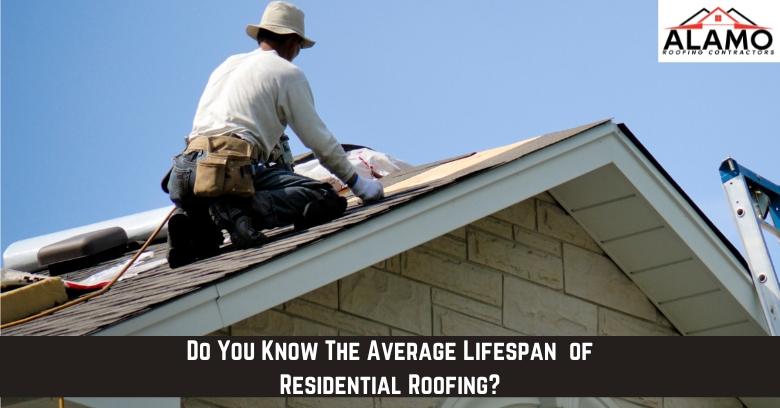
Do You Know The Average Lifespan  of Residential Roofing?

Do You Know The Average Lifespan of Residential Roofing?

An important question that homeowners want to know when shopping for a new roof is how long they can expect that new roof to last.

Although no two residential roofing installations are the same, some factors can predict roof life and what homeowners can expect from theirs.

At the top of that list is hiring the right roofing contractor for the installation!

How Long Does Modern Residential Roofing Last?

Not too long ago, the average lifespan of a residential roofing installation was only 20 to 30 years.

Due to the many advancements in roofing technology and the new roof systems now available, that number has jumped to 40 to 50 years or more.

Yet while today’s roofing systems are more resilient due to their higher quality and better design, materials choice is not the only factor that determines roofing lifespan.

Before hiring a roofing contractor to install any roofing system, homeowners must first ensure they are the right professional for the job.

How Do You Get A Full Life From Any Roof?

A roof that has not been properly installed will not last as long as it should according to the manufacturer’s claims.

Unfortunately, one of the most common reasons why homeowners end up paying for new residential roofing before they expect to is a poor installation by an unqualified contractor.

Whether due to improper technique, lack of attention to detail, or simply poor workmanship overall, these can all result in issues that significantly shorten the life of a new roof.

To prevent this, homeowners must always hire a roofing contractor who is qualified to install their chosen roofing system and will stand behind their work.

Learn About Average Roof Lifespan and How To Prolong It

In this informative residential roofing video, Frank from Alamo Roofing talks about roofing life expectancy and why getting a long-lasting roof depends on hiring the right contractor.

Protect A New Roof By Hiring A Qualified Roof Contractor

There is much more to consider when buying a new roof than just the cost and the manufacturer’s projected lifespan for their product.

Homeowners must also select a highly qualified roofing contractor to correctly install their chosen materials to ensure they get the lifespan their roof should provide.

A certified contractor who provides both manufacturer and workmanship warranties offers important peace of mind to their customers that the roof is installed correctly and with care, minimizing potential problems and ensuring a long roof life.

Qualified roofers are an essential component for every long-lasting roof!

Need A Roof Contractor in Naperville Illinois?

Contact Alamo Roofing For Your Residential Roofing Needs!

Call 219-248-2194 To Schedule A Fast Quote!


Check Out Who is Posting This Article!

https://smb.valleytimes-news.com/article/Do-You-Know-The-Average-Lifespan-of-Residential-Roofing?storyId=66d1bfab55f5e7000894fddd
https://smb.lowndessignal.com/article/Do-You-Know-The-Average-Lifespan-of-Residential-Roofing?storyId=66d1bfab55f5e7000894fddd
https://pr.washingtoncitypaper.com/article/Do-You-Know-The-Average-Lifespan-of-Residential-Roofing?storyId=66d1bfab55f5e7000894fddd
https://smb.theleesvilleleader.com/article/Do-You-Know-The-Average-Lifespan-of-Residential-Roofing?storyId=66d1bfab55f5e7000894fddd
https://smb.prentissheadlight.com/article/Do-You-Know-The-Average-Lifespan-of-Residential-Roofing?storyId=66d1bfab55f5e7000894fddd
https://smb.beauregardnews.com/article/Do-You-Know-The-Average-Lifespan-of-Residential-Roofing?storyId=66d1bfab55f5e7000894fddd
https://pr.hattiesburg.com/article/Do-You-Know-The-Average-Lifespan-of-Residential-Roofing?storyId=66d1bfab55f5e7000894fddd
https://pr.walnutcreekmagazine.com/article/Do-You-Know-The-Average-Lifespan-of-Residential-Roofing?storyId=66d1bfab55f5e7000894fddd
https://pr.thembnews.com/article/Do-You-Know-The-Average-Lifespan-of-Residential-Roofing?storyId=66d1bfab55f5e7000894fddd
https://pr.stylemg.com/article/Do-You-Know-The-Average-Lifespan-of-Residential-Roofing?storyId=66d1bfab55f5e7000894fddd
https://pr.bradfordvillebugle.com/article/Do-You-Know-The-Average-Lifespan-of-Residential-Roofing?storyId=66d1bfab55f5e7000894fddd
https://pr.boreal.org/article/Do-You-Know-The-Average-Lifespan-of-Residential-Roofing?storyId=66d1bfab55f5e7000894fddd
https://pr.timesofsandiego.com/article/Do-You-Know-The-Average-Lifespan-of-Residential-Roofing?storyId=66d1bfab55f5e7000894fddd
https://pr.chestercounty.com/article/Do-You-Know-The-Average-Lifespan-of-Residential-Roofing?storyId=66d1bfab55f5e7000894fddd
https://pr.wncbusiness.com/article/Do-You-Know-The-Average-Lifespan-of-Residential-Roofing?storyId=66d1bfab55f5e7000894fddd
https://pr.ashlandtownnews.com/article/Do-You-Know-The-Average-Lifespan-of-Residential-Roofing?storyId=66d1bfab55f5e7000894fddd
https://pr.millismedwaynews.com/article/Do-You-Know-The-Average-Lifespan-of-Residential-Roofing?storyId=66d1bfab55f5e7000894fddd
https://pr.norwoodtownnews.com/article/Do-You-Know-The-Average-Lifespan-of-Residential-Roofing?storyId=66d1bfab55f5e7000894fddd
https://pr.hopedaletownnews.com/article/Do-You-Know-The-Average-Lifespan-of-Residential-Roofing?storyId=66d1bfab55f5e7000894fddd
https://pr.franklintownnews.com/article/Do-You-Know-The-Average-Lifespan-of-Residential-Roofing?storyId=66d1bfab55f5e7000894fddd
https://pr.naticktownnews.com/article/Do-You-Know-The-Average-Lifespan-of-Residential-Roofing?storyId=66d1bfab55f5e7000894fddd
https://pr.norfolkwrenthamnews.com/article/Do-You-Know-The-Average-Lifespan-of-Residential-Roofing?storyId=66d1bfab55f5e7000894fddd
https://pr.omahamagazine.com/article/Do-You-Know-The-Average-Lifespan-of-Residential-Roofing?storyId=66d1bfab55f5e7000894fddd
https://pr.hollistontownnews.com/article/Do-You-Know-The-Average-Lifespan-of-Residential-Roofing?storyId=66d1bfab55f5e7000894fddd
https://pr.greenvillebusinessmag.com/article/Do-You-Know-The-Average-Lifespan-of-Residential-Roofing?storyId=66d1bfab55f5e7000894fddd
https://pr.davisjournal.com/article/Do-You-Know-The-Average-Lifespan-of-Residential-Roofing?storyId=66d1bfab55f5e7000894fddd
https://pr.columbiabusinessmonthly.com/article/Do-You-Know-The-Average-Lifespan-of-Residential-Roofing?storyId=66d1bfab55f5e7000894fddd
(219) 224-2636