
Installing architectural shingles can significantly enhance the aesthetic appeal and durability of your roof. These shingles are designed to add a three-dimensional texture and appearance to your roof. They are more durable and have a longer lifespan compared to traditional three-tab shingles. This insightful article will walk you through the steps of how to install architectural shingles, from preparation to completion.
Inside this blog:
- Why Choose Architectural Shingles?
- How to Install Roof Shingles: Preparation
- Installing Underlayment and Ice and Water Shield
- Installing Flashing
Why Choose Architectural Shingles?
Before diving into the installation process, it’s essential to understand the benefits of architectural shingles:
- Durability: Architectural shingles are thicker and more durable than traditional three-tab shingles, offering better resistance to wind and impact.
- Aesthetic Appeal: They add a three-dimensional look to your roof, enhancing your home’s curb appeal.
- Longevity: They typically come with longer warranties, often ranging from 30 years to a lifetime.
- Value: While slightly more expensive, their durability and lifespan make them a cost-effective option in the long run.
Tools and Materials Required
Tools:
- Roofing nailer or hammer
- Utility knife
- Tape measure
- Chalk line
- Pry bar
- Ladder
- Safety harness
- Caulk gun
Materials:
- Architectural shingles
- Roofing nails
- Underlayment (felt or synthetic)
- Ice and water shield
- Drip edge
- Ridge cap shingles
- Starter strip shingles
- Roofing cement
- Flashing
How to Install Roof Shingles: Preparation
Before installing architectural shingles, you must prepare. Here’s how:
1. Safety First
Before starting the installation, ensure you have all necessary safety equipment, including a sturdy ladder, safety harness, and gloves. Working on a roof can be dangerous, so taking appropriate safety measures is crucial.
2. Inspect the Roof Deck
Ensure the roof deck is in good condition. Replace any damaged or rotten sections. The deck must be clean, dry, and smooth to provide a stable foundation for the new shingles.
3. Remove Old Shingles
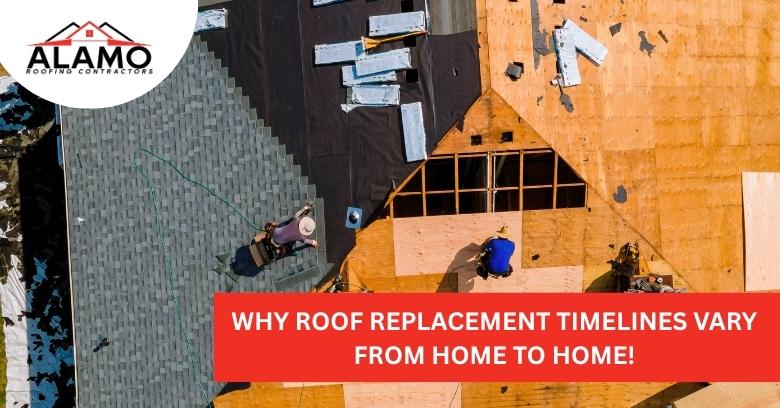
Remove the existing shingles using a pry bar or roofing shovel. Start from the top and work your way down. This process will expose the roof deck. Dispose of the old shingles and nails properly.
4. Install Drip Edge
Install the drip edge along the eaves and rake edges. The drip edge prevents water from getting under the shingles and protects the roof deck edges. Secure it with roofing nails spaced about 12 inches apart.
Installing Underlayment and Ice and Water Shield
- Install Ice and Water Shield: Apply the ice and water shield along the eaves, valleys, and around any penetrations (vents, chimneys). This self-adhering membrane provides extra protection against ice dams and water infiltration.
- Lay the Underlayment: Roll out the underlayment, starting from the bottom of the roof and working your way up. Overlap each row by about 2 inches, and secure it with roofing nails or staples. Ensure the underlayment is smooth and free of wrinkles.
Installing Starter Strip Shingles
Starter strip shingles are essential for a secure and waterproof edge. They also provide a straight edge for the first course of shingles.
- Cut the Starter Strips Cut the tabs off a few three-tab shingles to create the starter strips. Alternatively, you can use pre-made starter strip shingles.
- Install the Starter Strips Align the starter strips along the eaves, ensuring a 1/2-inch overhang beyond the drip edge. Secure them with roofing nails, placing nails about 3 inches from the edge and spaced about 10 inches apart.
Installing Architectural Shingles
1. Mark the Guideline
Snap a chalk line about 6 inches from the eave to use as a guide for the first row of shingles. This ensures a straight and even start.
2. Lay the First Row
Place the first shingle on the left corner, overhanging the edge by about 1/2 inch. Align the bottom edge with the chalk line. Secure it with roofing nails, placing nails just below the adhesive strip and spaced about 6 inches apart.
3. Stagger the Shingles
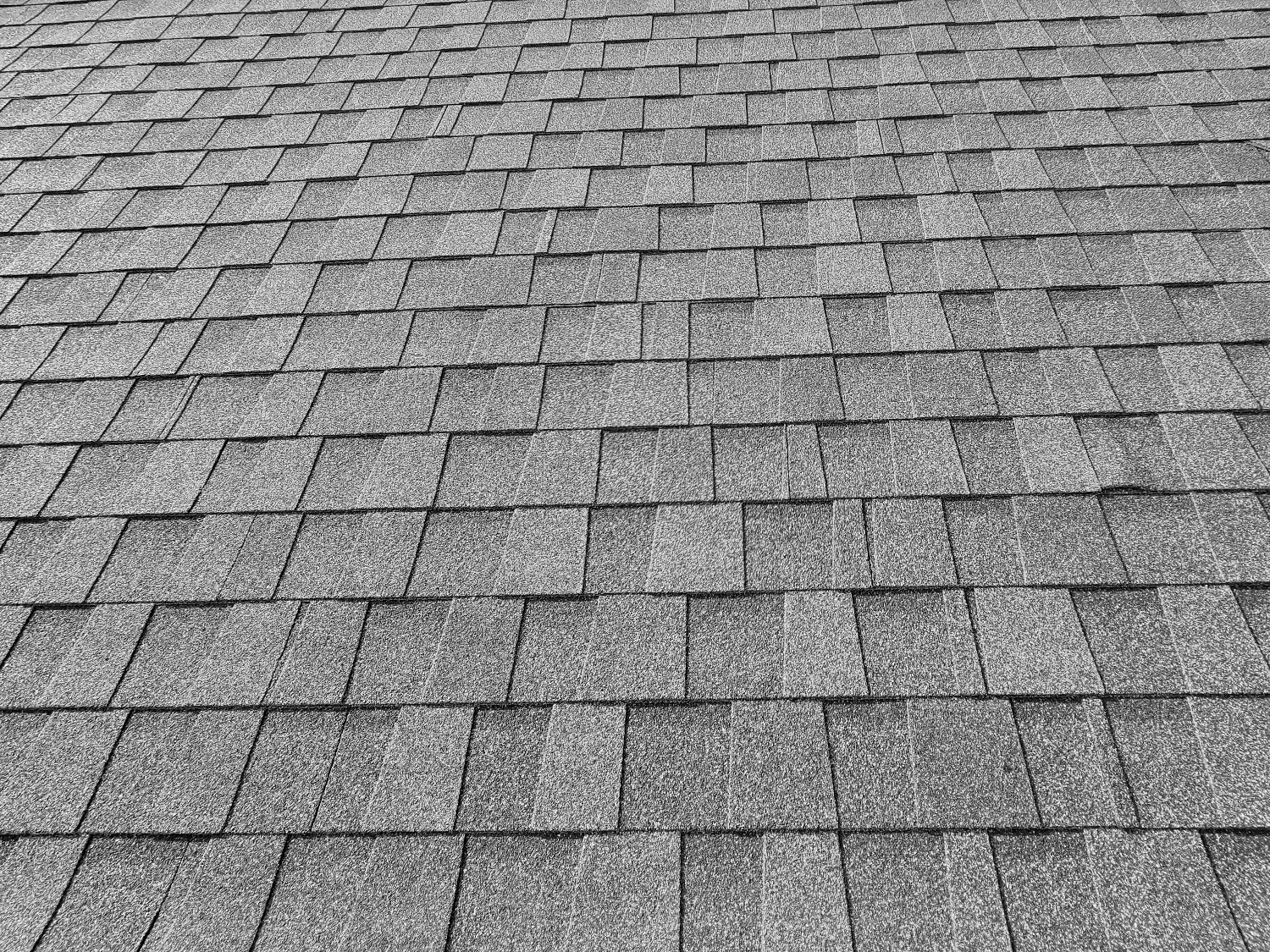
Stagger the shingles to avoid lining up the seams, which can lead to leaks. Cut about 6 inches off the first shingle of the second row to stagger the joints. Continue this pattern for subsequent rows.
4. Install Remaining Rows
Continue installing the shingles row by row, ensuring they are straight and properly aligned. Use the adhesive strip and the manufacturer’s guidelines to determine the correct nail placement.
5. Trim the Shingles
At the roof’s end, trim the shingles to fit. Use a utility knife to cut the shingles, ensuring a clean and precise edge.
Installing Flashing
Flashing is essential for waterproofing roof intersections and penetrations. It prevents water from seeping into the roof at vulnerable points. Here’s how to install it:
- Install Step Flashing: Step flashing is used around chimneys, dormers, and sidewalls. Place a piece of flashing at each shingle course, ensuring it overlaps the shingle below. Secure it with roofing nails.
- Install Valley Flashing: For roof valleys, use metal valley flashing or woven shingles. Ensure the valley flashing is installed before the shingles and overlaps the underlayment.
- Install Vent Flashing: Apply flashing around roof vents, securing them with roofing nails and sealing the edges with roofing cement.
Common Mistakes to Avoid
- Incorrect Nail Placement: Nails placed too high or too low can cause shingles to lift or leak.
- Insufficient Overlap: Not overlapping shingles enough can create gaps for water to seep through.
- Skipping Underlayment: Skipping the underlayment can lead to leaks and void the shingle warranty.
- Improper Flashing Installation: Incorrect flashing installation can lead to water infiltration at roof intersections and penetrations.
We’ll Handle Your Roofing Project
Installing architectural shingles can enhance the beauty and durability of your roof, providing long-lasting protection for your home. However, the process requires careful planning, precise execution, and a thorough understanding of roofing principles. If you’re unsure about tackling this project yourself, reach out to Alamo Roofing for professional roofing services.
At Alamo Roofing, we pride ourselves on delivering exceptional roofing services with a focus on quality, safety, and customer satisfaction. Our contractors have the skills required to handle any roofing project. Whether you need a new roof installation, roof repair, or maintenance services, we are here to help.