Roof flashing serves as a critical component in making sure your roof remains leak-free.
Whether you reside in scenic South Bend or bustling Hammond Indiana, having durable and effective roof flashing is essential to withstand the harsh weather conditions these areas often face.
In this insightful article, we will delve into the importance of roof flashing, why it often fails, and how you can prevent expensive leaks in your home.
Understanding Roof Flashing
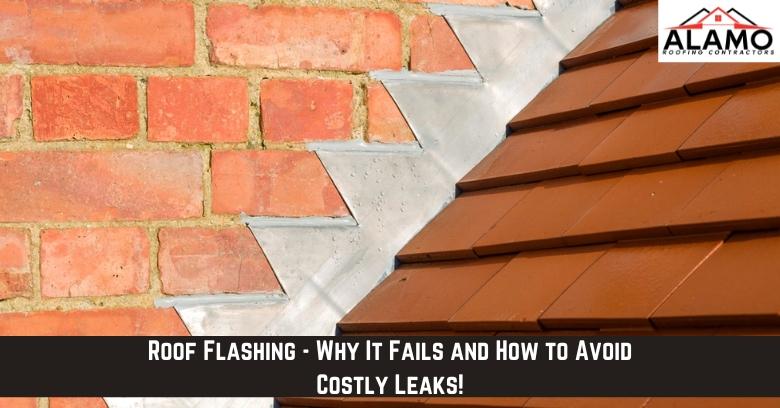
Roof flashing is a flat, thin material that prevents water from entering roof openings and cracks.
It is typically installed around areas such as chimneys, vents, skylights, and valleys where the roof meets vertical surfaces.
More than just a second line of defense, roof flashing directs the flow of rainwater away from critical points on the roof.
Common materials for roof flashing include galvanized steel, aluminum, and copper, each offering unique benefits.
Galvanized steel is praised for its strength and durability, aluminum for its lightweight and rust-resistant properties, and copper for its longevity and aesthetic appeal.
Choosing the right material is crucial for the flashing's performance, durability, and maintenance.
Common Causes of Roof Flashing Failure
1. Poor Installation Practices
Improper installation remains a leading cause of roof flashing failure.
When flashing is not positioned correctly or sealed, the potential for leaks increases dramatically.
Poor workmanship can lead to misaligned or inadequately adhered flashing, failing to protect these vulnerable areas.
2. Weather-Related Wear and Tear
The weather in Indiana can be quite unpredictable, with heavy snowfall in the winter and significant rainfall in the summer.
Over time, weather conditions such as heavy rain, wind, snow, and ice can lead to the wear and tear of your flashing.
Environmental factors top the list when considering why this essential barrier might fail.
3. Material Degradation and Age
Like most components of a house, roof flashing materials degrade over time.
Exposure to changing temperatures and sunlight can cause certain materials to deteriorate faster than others.
Even the best-made flashing will inevitably reach the end of its serviceable life, resulting in failure if not replaced promptly.
4. Inadequate Maintenance
Roof flashing demands regular inspection and maintenance to effectively fulfill its role.
Overlooking routine inspections may leave minor issues unnoticed, escalating to significant failures.
Many leaks and damages arise simply due to negligence in maintenance, which could otherwise be easily repaired when detected early.
Signs of Roof Flashing Problems
Detecting flashing issues early can save homeowners in South Bend and Hammond from extensive and expensive damage.
Key indicators of roof flashing problems include:
- Visible Signs of Damage or Wear - Inspect your roof for any visible cracks, warping, or sections that have come loose. Rust and corrosion can also signal that it is time to replace your flashing.
- Water Stains on Walls and Ceilings - Water stains indicate leaks and possibly malfunctioning flashing. Noticeable stains or dampness around the home are red flags that require immediate attention.
- Unexplained Roof Leaks - If you experience inexplicable leaks, renegade flashing could be the culprit. Sheltering an ineffective barricade against water penetration can lead to puddles forming in your living spaces.
Preventive Measures for Roof Flashing Issues
1. Choosing Quality Materials Suitable for Indiana's Climate
Ensuring long-term durability begins with selecting materials fit for the Indiana climate.
Choose materials like aluminum or copper, which are resistant to frequent moisture, temperature changes, and sunlight exposure.
2. Importance of Professional Installation
Entrusting flashing installation to professional roofers guarantees precision and competence.
Experienced contractors, like those familiar with the unique conditions in South Bend and Hammond, use appropriate techniques and tools, resulting in longer-lasting solutions.
3. Regular Maintenance Checks and Timely Repairs
Regular roof maintenance, including biannual inspections, becomes indispensable to prevent potential flashing failures.
Quick fixes for minor issues prevent significant deterioration, extending your roof's lifespan and saving costs.
Why Hire Professional Roofers for Flashing Work
Engaging professional roofers brings a host of benefits.
They have essential expertise and tools to conduct installations and repairs precisely.
Moreover, their work often includes a warranty or guarantee, providing peace of mind that any necessary follow-up will be covered without additional costs.
Conclusion
Roof flashing is vital for protecting your home from water damage, especially in areas like South Bend and Hammond, where harsh weather conditions are common.
Understanding the importance of flashing, the causes of failure, and the signs to watch for can help prevent costly leaks and ensure the longevity of your roof.
You can safeguard your home against the elements by selecting quality materials, being sure of proper installation, and maintaining regular inspections.
Whether dealing with flashing repairs or installations, hiring professional roofers is wise for peace of mind and lasting results.
Stay proactive and keep your roof in top condition to avoid the headaches and expenses associated with neglected flashing issues.
Key Takeaways
- Roof flashing is vital for water-proofing roofs against harsh weather, especially in South Bend and Hammond Indiana.
- Common failure reasons include poor installation, weather effects, material aging, and inadequate maintenance.
- Regular maintenance and professional installation mitigate the risk of flashing problems.
- Engage professional roofers to ensure quality work and long-lasting results.
FAQs
1. What is roof flashing and why is it important?
Roof flashing is a material that prevents water penetration at roof intersections and projections. It is crucial for maintaining structural integrity and preventing leaks.
2. How can I tell if my roof flashing is failing?
Look for signs such as cracked or warped flashing, water stains on interior ceilings, and unexplained leaks.
3. What material is best for roof flashing in Indiana?
Given Indiana's climate, aluminum or copper flashing materials are recommended for their durability and resistance to corrosion.
4. How frequently should roof flashing be inspected?
Roof flashing should be inspected at least twice a year or after any significant weather event.
5. Can I install roof flashing myself?
While possible, DIY installation can pose risks of improper application. Professional installation is advisable to ensure effectiveness.
6. What maintenance does roof flashing require?
Routine inspections and prompt addressing of any visible issues are necessary. Professional assessments every few years can ensure longevity.
7. How long can well-maintained roof flashing last?
Depending on the materials used and the care given, roof flashing can last 20 to 30 years.
8. Will homeowners' insurance cover flashing repairs?
Coverage for flashing repairs varies by policy. It is best to review your insurance terms or consult your agent.
9. What are the common areas where roof flashing is installed?
Flashing is typically installed around chimneys, skylights, vents, and where roof slopes meet walls or valleys.
10. How can weather in Indiana affect roof flashing?
Heavy rain, snow, and temperature fluctuations that are common in Indiana can accelerate wear and tear and lead to potential failures.