When it comes to maintaining a home, the roof is often one of the most overlooked aspects of homeownership, at least until a major issue arises.
By the time homeowners notice a leak or other damage, it may be too late to avoid costly repairs.
Prompt residential roofing repair is vital to keeping your home in areas like Naperville Illinois and South Bend Indiana in top condition and preventing water damage that could spread throughout the house.
Understanding and addressing common yet often overlooked roofing issues can prevent homeowners from troublesome leaks and expensive repairs down the road.
Understanding Roofing Leaks
Roofing leaks often are not caused by sudden, dramatic weather events.
Instead, they tend to develop gradually, often going unnoticed until significant damage occurs.
Leaks may stem from various issues, including aging materials, improper installation, and lack of maintenance.
Homeowners often assume that their roof is secure until they notice signs of water damage inside their home; however, the problem could be extensive by then.
How Leaks Develop Over Time
Many roof leaks start as small, seemingly inconspicuous issues that worsen over time.
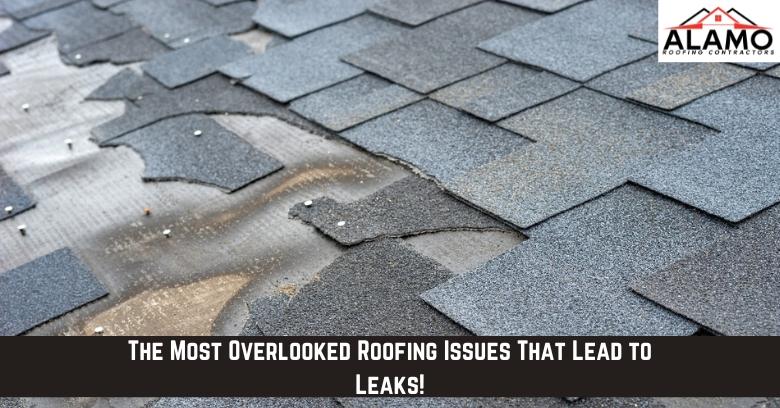
A cracked shingle, poorly sealed flashing, or minor wear and tear caused by age may initially seem harmless; however, if not addressed promptly, these minor problems can develop into significant leaks.
In fact, most leaks do not result from a single cause but from a combination of factors that accumulate over time.
Understanding how these issues develop can help homeowners spot potential leaks early and address them before they result in costly repairs.
Common Signs of Roofing Leaks
Homeowners need to check for signs of leaks regularly, as early detection can save them time and money.
Here are some of the most common indicators:
- Water Stains on Ceilings or Walls - One of the most apparent signs of a leak is visible water stains on ceilings or walls, often in areas directly beneath the roof.
- Mold or Mildew - Damp conditions in the attic or around ceiling fixtures can encourage mold and mildew growth, which may indicate water infiltration.
- Warps or Discoloration - Walls or ceilings that appear warped or discolored can indicate water seeping in.
- Drips During Rainfall - If you notice drips from the ceiling during a heavy rainstorm, it is a clear sign that your roof has a problem.
Regular inspections can help homeowners spot these signs early and contact roofer companies for residential roofing repair before the situation worsens.
Most Overlooked Roofing Issues
Many homeowners are unaware of the minor, often overlooked issues that can cause leaks and other roofing problems.
Identifying and addressing these issues early is key to avoiding significant repairs in the future.
Some of the most commonly overlooked roofing issues include:
1. Improper Roof Ventilation
Good roof ventilation is essential for preventing heat and moisture buildup in the attic.
Poor ventilation can cause excessive moisture accumulation, which can lead to mold, mildew, and, eventually, roofing material deterioration.
Many homeowners overlook the importance of proper ventilation, which can significantly shorten the roof's lifespan and contribute to leaks.
2. Poorly Installed Flashing
Flashing is the material used to seal seams and joints in the roof.
It is essential for preventing water from entering areas such as chimneys, vents, and valleys.
If flashing is improperly installed or deteriorates over time, it can lead to leaks that go unnoticed until significant damage occurs.
Regular roofing maintenance can help identify and repair flashing issues before they escalate.
3. Neglected Gutters and Downspouts
Gutters and downspouts are crucial for directing rainwater away from the roof and foundation.
When they become clogged with leaves, debris, or dirt, water can back up and overflow, leading to water pooling on the roof or seeping into the home.
Regular cleaning of gutters and downspouts is essential to prevent water damage and leaks.
4. Damaged Shingles or Tiles
Missing or damaged shingles and tiles expose the roof's underlying layers to the elements, allowing water to seep through.
While this is a common issue, it often goes unnoticed until it leads to a leak or other significant damage.
After storms or extreme weather, homeowners should inspect their roofs for visible damage.
5. Inadequate Roof Valleys
Roof valleys are where two roof sections meet, creating a channel for water to flow off the roof.
If valleys are poorly designed or not maintained, they can allow water to accumulate and seep into the roof structure, leading to leaks.
Proper installation and regular maintenance are necessary to keep roof valleys functioning correctly.
6. Aging Roofing Materials
Every roofing material has a limited lifespan, and aging materials can make your roof vulnerable to leaks.
Shingles, tiles, and other roofing components can wear down due to exposure to the sun, wind, and rain, resulting in cracks, curling, or other forms of deterioration.
If your roof is nearing the end of its lifespan, you may want to consider residential roofing repair or even replacement.
The Impact of Overlooked Roofing Issues
When minor roofing issues are ignored, they can lead to major problems that affect the entire home.
The impact of neglected roofing issues includes:
- Structural Damage - Water infiltration can cause extensive damage to your home's structure, including wooden framing, insulation, and drywall. This can result in costly repairs and even compromise the safety of your home.
- Increased Energy Costs - Leaks can reduce the effectiveness of your roof's insulation, making it more challenging to maintain a comfortable temperature inside your home. This can lead to higher energy bills as your HVAC system works harder to compensate for heat loss.
- Health Hazards - Roof leaks can promote mold and mildew growth, which can be harmful to health, especially for individuals with respiratory conditions or allergies. Prolonged mold exposure can cause serious health problems and should be addressed immediately.
Preventive Measures for Homeowners
The best way to avoid the cost and hassle of major roof repairs is through regular inspections and proactive maintenance.
Here are some tips to help homeowners maintain the integrity of their roofs:
- Regular Roofing Inspections - Schedule routine inspections by professional roofer companies in Naperville Illinois and South Bend Indiana. Regular roofing maintenance can catch minor issues before they become major problems, saving you time and money in the long run.
- Professional Maintenance Services - Professional roofing contractors offer comprehensive maintenance services that make certain your roof stays in excellent condition. From cleaning gutters to checking flashing and ventilation, these experts can provide valuable insights and repairs that might be difficult for homeowners to handle on their own.
- DIY Tips for Homeowners - Homeowners can take small steps to maintain their roofs, such as clearing debris from gutters and inspecting for visible damage after storms. These simple tasks can prolong the life of the roof and go a long way toward preventing leaks.
Conclusion
Ignoring minor roofing issues can lead to serious consequences, including leaks, structural damage, and health hazards.
Regular roofing inspections and proactive maintenance are essential for keeping your roof in top condition and avoiding expensive repairs.
If you are experiencing any of these issues or it is time for a roofing inspection, don not wait!
Contact your local roofer companies in Naperville Illinois and South Bend Indiana today.
Key Takeaways
- Regular roof inspections are crucial to detect and address potential leaks.
- Commonly overlooked issues include improper ventilation, poorly installed flashing, and aged materials.
- Preventive maintenance can save on energy costs and prevent structural damage.
- Contact professional roofer companies for reliable repair and maintenance services.
FAQs
1. How often should I have my roof inspected?
At least once a year and after major storms to catch any storm damage early.
2. Can I inspect my roof myself?
While you can perform visual inspections, having a professional perform thorough inspections is best.
3. What is the average lifespan of a roof?
It depends on the material, but asphalt shingles typically last about 20 to 25 years.
4. How do I know if my flashing needs repair?
Visible rust, loose seals, and water stains are indicators of flashing issues.
5. Can clogged gutters really cause leaks?
Yes, they can cause water to overflow or seep into the roof edges, promoting water damage that can turn into leaks.
6. How does poor ventilation lead to leaks?
It can cause moisture buildup, leading to rot and mold, which weakens the roof.
7. What is the first sign of a roof leak?
Water spots on your ceiling or walls are common first indicators.
8. Can old roofs be repaired or should they be replaced?
Depending on the extent of the damage, some roofs may be repaired, but very old roofs often need replacing.
9. Is roof maintenance a DIY job?
Certain tasks can be DIY, like gutter cleaning, but most maintenance is best left to professionals.
10. Where can I find reliable roofing companies in Naperville Illinois or South Bend Indiana?
Research online reviews, ask for referrals, and check for certifications to find reliable roofing services in your area.