When most homeowners think about their roofing system, they often focus on the shingles, tiles, or metal panels that give the roof its final appearance.
Yet roofing underlayment is often overlooked as one of the most crucial components that significantly affects the efficiency and durability of a roof.
This layer is not visible once the roofing materials are installed but serves several vital functions that can affect the longevity of your roof and your home's overall protection.
Whether you are considering roofing installation in Naperville, Illinois, or roof replacement in South Bend, Indiana, understanding the essential role of underlayment is crucial.
This article explores roofing underlayment, its functions, and why homeowners must choose the right underlayment for their specific needs.
What Is Roofing Underlayment?
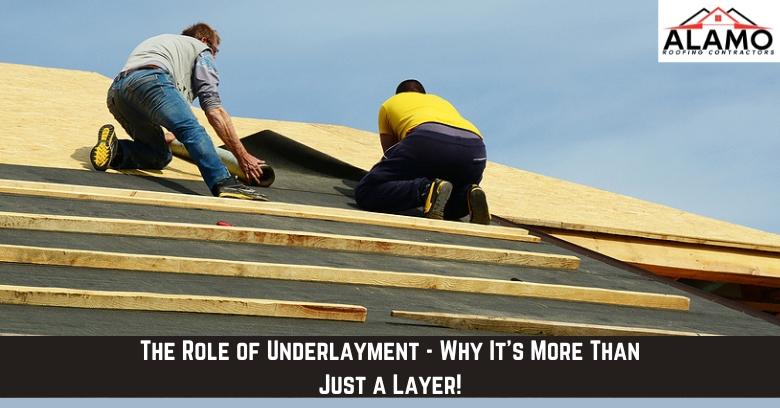
Roofing underlayment is a protective layer installed directly on top of the roof deck, just below the primary roofing material such as shingles, tiles, or metal panels.
While this layer is often invisible once the roofing installation is complete, it is a critical barrier against the elements.
It helps protect the roof deck from water infiltration and other environmental factors before the final roofing materials are applied.
Roofing underlayment has evolved over time from simple materials like felt to more modern, advanced options such as synthetic underlayment and rubberized asphalt.
The need for better durability, flexibility, and resistance to extreme weather conditions has driven the advancements in roofing underlayment materials.
The Critical Functions of Roofing Underlayment
Roofing underlayment is far more than just a supplementary addition beneath the shingles.
It plays several vital roles in the overall performance of a roof, including:
- Moisture Barrier - One of the primary functions of roofing underlayment is to act as a moisture barrier. While shingles or other roofing materials may provide their own protection, they are not entirely impervious to water. In the event of a storm, heavy rainfall, or snow, roofing underlayment adds an extra layer of protection, preventing water from infiltrating the roof deck. This helps protect the structural integrity of the roof, preventing water damage, rot, and mold growth.
- Additional Layer of Protection - Underlayment serves as a fail-safe. If shingles or other roofing materials become damaged due to extreme weather or wear over time, underlayment acts as a backup layer that protects the roof deck from the elements. This additional layer can help prevent leaks and prolong the life of the roofing system.
- Enhanced Roof Longevity - Without proper protection, a roof deck can suffer from rot and decay, shortening the life of the roof. Roofing underlayment helps preserve the roof deck by preventing moisture buildup, ultimately extending the lifespan of your entire roofing system. It also helps reduce the likelihood of needing premature roof replacement.
- Energy Efficiency - Roofing underlayment can also improve your home's energy efficiency. Depending on the material, underlayment may offer insulation properties, which help regulate the temperature inside your home. This can result in lower energy bills by improving the home's ability to maintain a consistent internal temperature throughout the year.
Types of Roofing Underlayment
Several types of roofing underlayment materials are available, each offering distinct advantages based on the climate, roof type, and budget considerations.
Here are the most common options:
- Asphalt-Saturated Felt - This traditional material is made of fiberglass or organic felt saturated with asphalt for water resistance. It is versatile and easy to install, making it a reliable and affordable choice for many homeowners.
- Non-Bitumen Synthetic Underlayment - Synthetic underlayment has gained popularity in recent years due to its superior durability compared to felt. Made from polyethylene or polypropylene, it is lightweight, tear-resistant, and provides excellent UV protection. It is also often more resistant to mold and mildew growth, making it an excellent choice for regions with high humidity.
- Rubberized Asphalt Underlayment - Rubberized asphalt underlayment, typically considered a premium option, offers exceptional waterproofing capabilities. This material is made with a blend of asphalt and rubber polymers, making it highly resistant to water, even in areas with heavy rainfall or snow. It is often recommended for high-risk areas like valleys, eaves, and places where snow or ice dams are common.
How to Choose the Right Underlayment for Your Roof
Selecting the proper roofing underlayment is essential to be certain that your roof remains protected and durable.
These are some key factors to consider when making your decision:
1. Roof Type and Slope
Different types of roofs may require specific underlayment materials.
For instance, steep-slope roofs might benefit from synthetic underlayment, while low-slope roofs may require stronger, waterproof materials like rubberized asphalt.
Consider the style and slope of your roof when selecting underlayment.
2. Budget
While high-end underlayment materials like rubberized asphalt offer excellent protection, they can come with a higher price tag.
If you are working within a specific budget, you may need to balance your choice of underlayment with the overall cost of the roof replacement or roofing installation.
3. Climate and Weather Conditions
The local climate is crucial in determining the best underlayment for your home.
A more durable underlayment material may be necessary to protect the roof deck in areas with heavy rainfall, snow, or extreme temperatures.
For instance, homes in Naperville Illinois, which experience humid summers and snowy winters, may benefit from synthetic underlayment that is versatile and moisture-resistant.
Conversely, homeowners in South Bend Indiana, known for heavy lake-effect snow, might opt for rubberized asphalt underlayment for superior waterproofing.
Regional Considerations for Underlayment
The climate and weather patterns in specific regions, such as Naperville and South Bend, significantly influence the type of underlayment most suitable for your roofing installation.
Understanding local conditions can help you make an informed decision.
With humid summers and cold, snowy winters, Naperville residents should consider synthetic underlayment, which can withstand temperature fluctuations and moisture.
Similarly, homeowners in South Bend, known for its lake-effect snow, might prioritize waterproofing and choose rubberized asphalt underlayment to handle the heavy, persistent precipitation that is common in the area.
Conclusion
In conclusion, roofing underlayment is a crucial component that contributes to the longevity and effectiveness of your roof.
Whether you are undergoing roofing installation in Naperville Illinois or considering roof replacement in South Bend Indiana, understanding the importance of underlayment can help make the best decisions for your home.
The right underlayment protects your home from the elements and contributes to your roof's overall energy efficiency and durability.
Consult with local roofing professionals to select the appropriate underlayment so that that your roofing system stands the test of time.
Key Takeaways
- Roofing Underlayment is Essential - Roofing underlayment is a crucial component of your roofing system that provides extra protection against moisture, extends the lifespan of your roof, and helps prevent leaks and water damage.
- Different Types of Underlayment - The three main types of roofing underlayment are asphalt-saturated felt, non-bitumen synthetic, and rubberized asphalt. Each has unique benefits, such as durability, moisture resistance, and UV protection.
- Protection Beyond Shingles - Underlayment acts as a secondary defense in case your primary roofing materials fail, adding an extra layer of security against the elements and preserving the roof deck.
- Energy Efficiency - Some underlayment materials offer insulation properties, which can help regulate your home's temperature and reduce energy costs, making your home more energy-efficient.
- Climate-Specific Considerations - The right underlayment depends on your region's climate. Areas with heavy rain or snow like South Bend Indiana may benefit from rubberized asphalt, while regions like Naperville Illinois might require synthetic underlayment for versatility.
- Consult Local Experts - Always consult roofing professionals in your area to determine the best underlayment choice based on local weather conditions, roof type, and budget. Their expertise ensures your roof will be protected and last for years to come.
FAQs
1. What is roofing underlayment?
Roofing underlayment is a protective layer installed between the roof deck and the exterior roofing materials, such as tiles or shingles.
2. Why is roofing underlayment necessary?
Underlayment provides a secondary barrier against moisture infiltration and enhances the overall durability and longevity of the roofing system.
3. What is the best type of roofing underlayment?
There is not a one-size-fits-all answer. The choice depends on specific needs and climatic conditions. Synthetic underlayment is versatile and suited for varied climates.
4. How often should underlayment be replaced?
Underlayment is typically replaced during a major roof overhaul or as recommended by a roofing professional. It is usually replaced every 20 to 30 years, depending on the material and environmental conditions.
5. Can you replace roofing underlayment without replacing the shingles?
Typically, it is not practical to replace underlayment without removing and replacing shingles.
6. Are there regulations for roofing underlayment installations?
Certain regions have building codes that specify underlayment requirements, so checking local regulations is essential.
7. How does climate affect the choice of underlayment?
As an example, climate plays a significant role in regions with heavy snowfall and might benefit more from rubberized asphalt underlayment.
8. Is synthetic underlayment better than felt?
Synthetic underlayment is often preferred for its durability, tear resistance, and lightweight nature compared to felt.
9. What is a moisture barrier in roofing?
In the context of roofs, a moisture barrier or underlayment is a layer that prevents water infiltration to protect the structural integrity of the building.
10. Where can I find roofing services in Naperville or South Bend?
Seek local roofing companies that are experts in your region's climate conditions. They can offer tailored solutions for your roofing needs.