Have you been asking yourself, ” Why are my roof shingles turning black“? As you know, roof shingles are an essential component of any home, providing protection against the elements and contributing to the overall aesthetic appeal of the property. However, homeowners often encounter the issue of their shingles turning black. This phenomenon can be concerning, both visually and structurally. Understanding why shingles turn black, the potential effects on your home, and the available solutions can help you maintain a beautiful, functional roof.
Inside this blog:
- Common Causes of Black Stains on Shingles
- The Effects of Black Stains on Shingles
- Solutions for Blackened Shingles
Common Causes of Black Stains on Shingles
Several factors can cause shingles to turn black, each with different implications for your roof’s health and appearance. Here are the primary reasons:
1. Algae Growth
One of the most common reasons for black stains on shingles is the growth of algae, specifically a type known as Gloeocapsa magma. This blue-green algae thrives in humid and warm climates, feeding on the limestone filler in asphalt shingles.
Characteristics:
- Appearance: Algae appear as dark streaks or patches on the roof, giving it a blackened look.
- Growth Pattern: Algae spread more easily in shaded areas, which retain moisture longer.
Prevention and Treatment:
- Zinc or Copper Strips: Installing zinc or copper strips near the roof’s ridge can help prevent algae growth. Rainwater carries trace amounts of metal down the roof, inhibiting algae.
- Algaecide Shingles: Some manufacturers offer shingles with built-in algaecides that prevent algae growth.
- Regular Cleaning: Professional cleaning with algaecide solutions can remove existing algae and prevent future growth.
2. Mold and Mildew
Mold and mildew thrive in damp environments and can cause black stains on shingles. These fungi typically grow in areas with poor ventilation and excessive moisture.
Characteristics:
- Appearance: Mold and mildew can create black, green, or brown stains on shingles.
- Health Risks: Mold spores can pose health risks to occupants, especially those with respiratory issues.
Prevention and Treatment:
- Improve Ventilation: Ensuring proper attic ventilation helps reduce moisture buildup, preventing mold and mildew growth.
- Regular Inspections: Periodic roof inspections can identify and address moisture issues before they lead to mold.
- Professional Cleaning: Mold and mildew should be professionally cleaned using appropriate fungicidal solutions.
3. Asphalt Bleeding
Asphalt bleeding occurs when the asphalt in shingles melts and rises to the surface. This can be due to excessive heat or manufacturing defects.
Characteristics:
- Appearance: Asphalt bleeding results in black, oily spots or streaks on the shingles.
- Material Issues: It often indicates a problem with the shingle’s quality or the installation process.
Prevention and Treatment:
- Quality Shingles: Using high-quality shingles from reputable manufacturers can reduce the risk of asphalt bleeding.
- Proper Installation: Ensuring shingles are installed correctly and not exposed to excessive heat can prevent this issue.
- Replacement: In severe cases, affected shingles may need to be replaced.
4. Environmental Pollutants
Overview: Pollution from nearby factories, vehicles, and other sources can settle on roof surfaces, causing discoloration and blackening of shingles.
Characteristics:
- Appearance: Pollutant deposits often appear as uniform black or dark stains across the roof.
- Local Factors: Homes in industrial areas or near busy roads are more susceptible.
Prevention and Treatment:
- Regular Cleaning: Periodic cleaning can remove pollutants and prevent buildup.
- Barrier Plants: Planting trees or shrubs can act as a barrier to some airborne pollutants.
- Air Filters: Installing high-efficiency air filters in your home can reduce indoor pollution.
5. Water Damage
Overview: Water damage from leaks or inadequate drainage can lead to black stains on shingles. Persistent moisture promotes the growth of algae, mold, and mildew.
Characteristics:
- Appearance: Water damage often causes irregular dark patches or streaks.
- Underlying Issues: It may indicate issues with the roof’s structure or drainage system.
Prevention and Treatment:
- Regular Maintenance: Inspect and maintain gutters, downspouts, and flashing to ensure proper drainage.
- Repair Leaks: Address roof leaks promptly to prevent water damage and staining.
- Waterproof Barriers: Installing waterproof underlayment can protect against water infiltration.
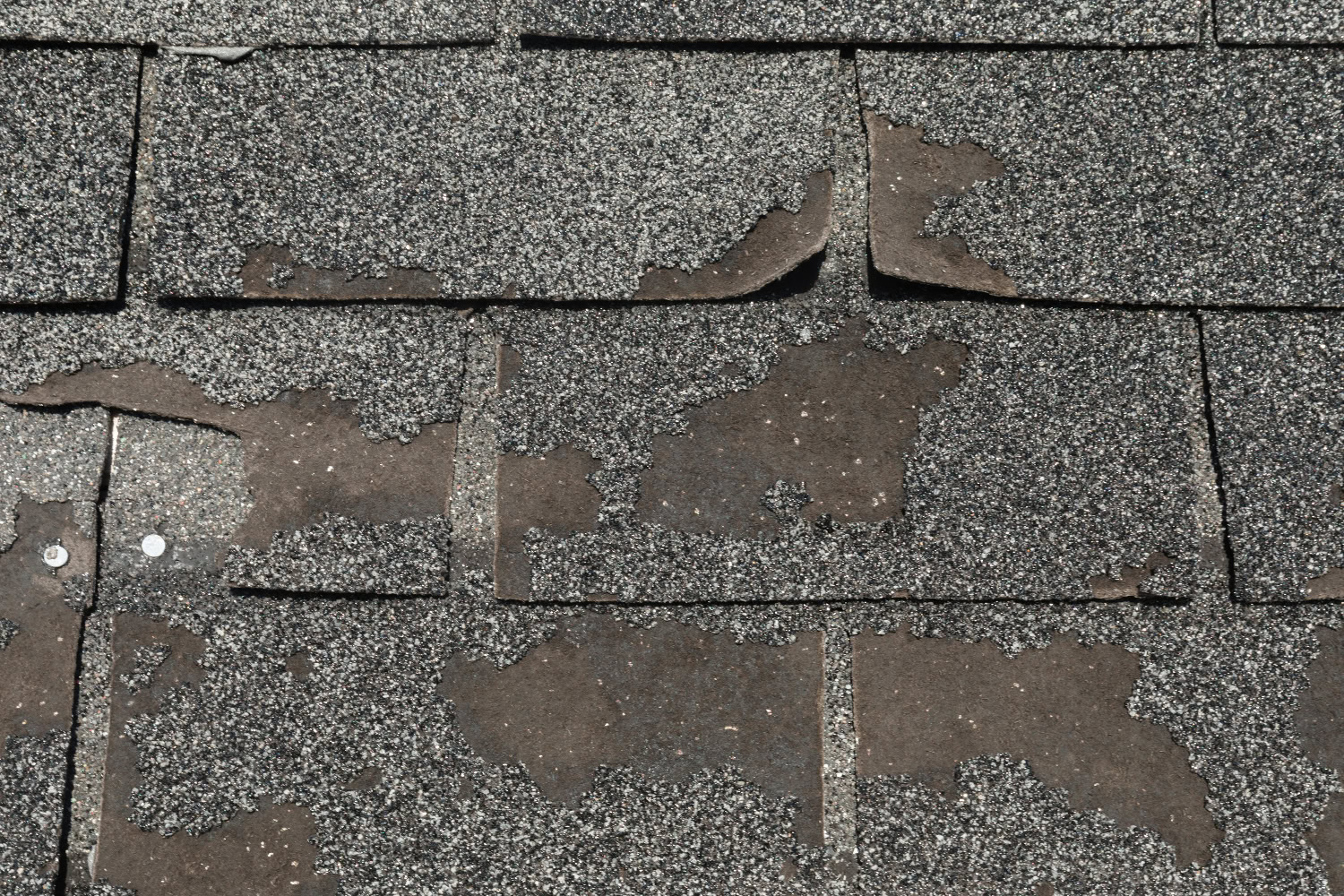
The Effects of Black Stains on Shingles
Black stains on shingles can have several negative effects, ranging from aesthetic concerns to structural issues:
1. Curb Appeal
Impact: Black stains detract from your home’s appearance, making it look unkempt and potentially lowering property value.
Solution: Regular cleaning and maintenance can keep your roof looking clean and well-cared-for, preserving your home’s curb appeal.
2. Roof Longevity
Impact: Algae, mold, and mildew can degrade shingles over time, reducing their lifespan and necessitating premature replacement.
Solution: Preventive measures, such as installing metal strips or using treated shingles, can extend the life of your roof by preventing biological growth.
3. Energy Efficiency
Impact: Blackened shingles absorb more heat, increasing cooling costs and reducing your home’s energy efficiency.
Solution: Keeping your roof clean and considering lighter-colored shingles can help reflect more sunlight, improving energy efficiency.
4. Health Risks
Impact: Mold and mildew can pose health risks to occupants, especially those with allergies or respiratory issues.
Solution: Ensuring proper ventilation, addressing moisture issues, and regular professional cleaning can mitigate health risks.
Long-Term Maintenance Tips
Maintaining your roof and preventing black stains involves regular inspections and proactive measures:
- Routine Inspections: Schedule regular roof inspections, especially after severe weather, to identify and address potential issues early.
- Gutter Maintenance: Keep gutters clean and free of debris to ensure proper drainage and prevent water damage.
- Tree Trimming: Trim overhanging branches to reduce shade and moisture retention, preventing algae and mold growth.
- Attic Ventilation: Ensure your attic is well-ventilated to reduce moisture buildup and prevent biological growth.
- Professional Services: Hire professional roofing services for inspections, cleaning, and maintenance to ensure the longevity and appearance of your roof.
Get Rid of Those Black Streaks on Your Roof
Understanding why shingles turn black and taking appropriate measures can help you maintain a clean, durable, and visually appealing roof. Addressing issues through regular cleaning and professional maintenance can prolong your roof’s lifespan and protect your home’s value.
Choosing Alamo Roofing ensures you receive expert advice and high-quality services tailored to your specific needs. With our help, you can prevent black stains, enhance your roof’s appearance, and ensure its longevity. Contact Alamo Roofing and let us keep your home in pristine condition.